Astove

About the island
Overview
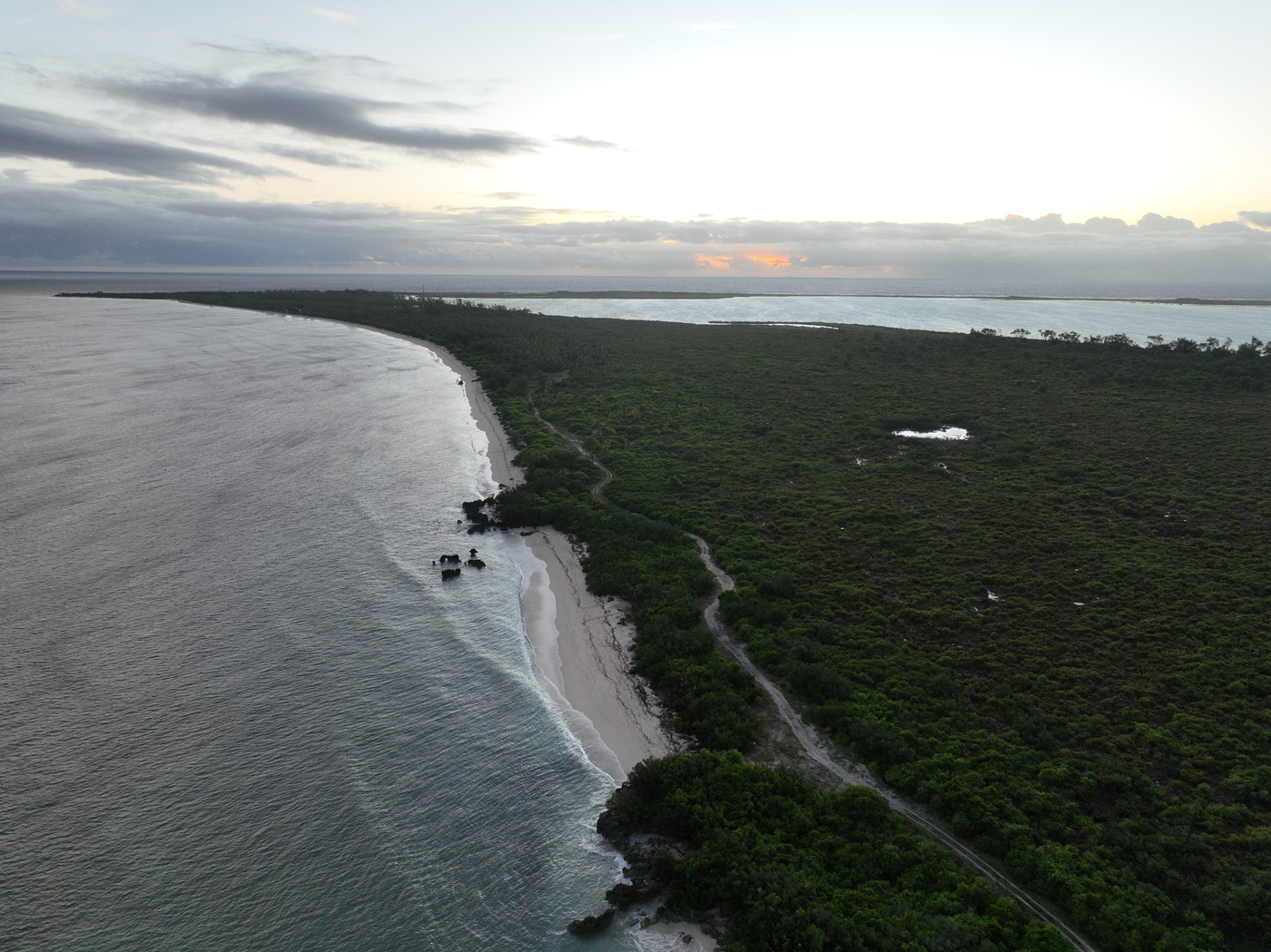
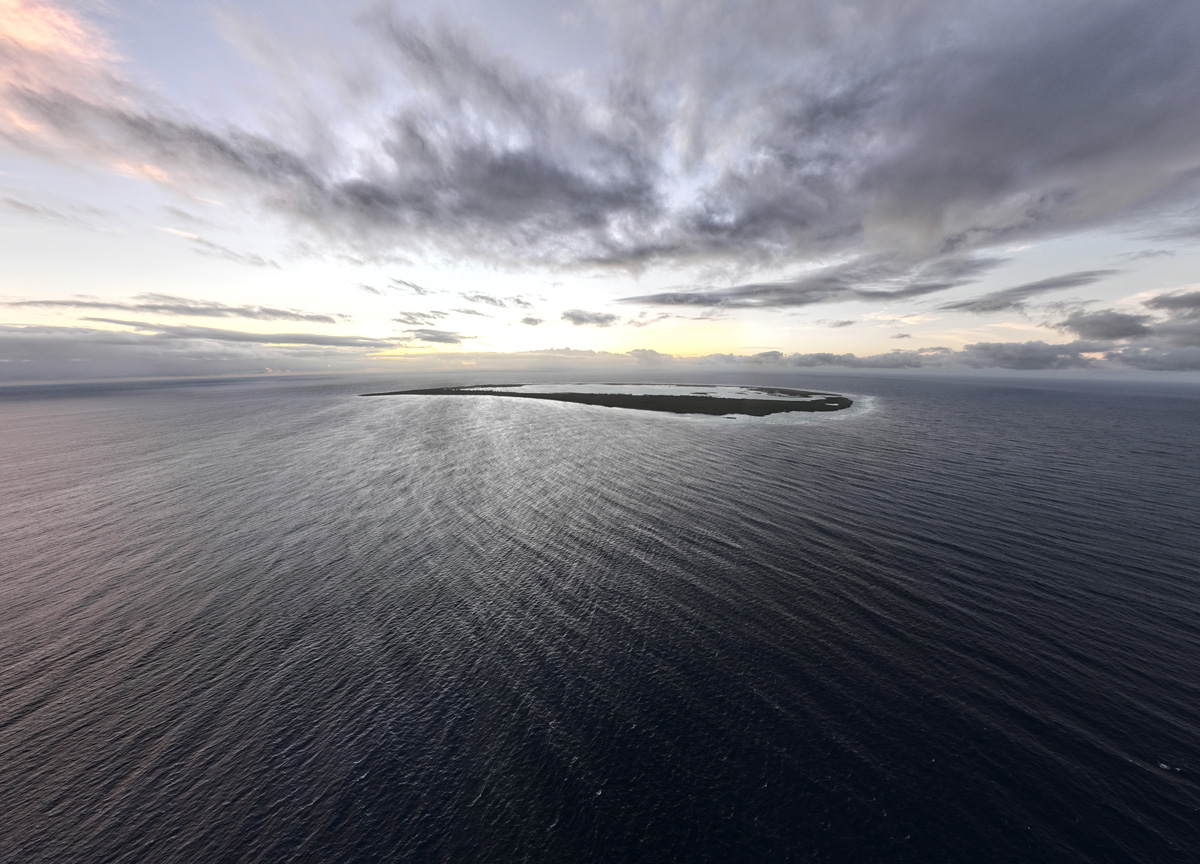
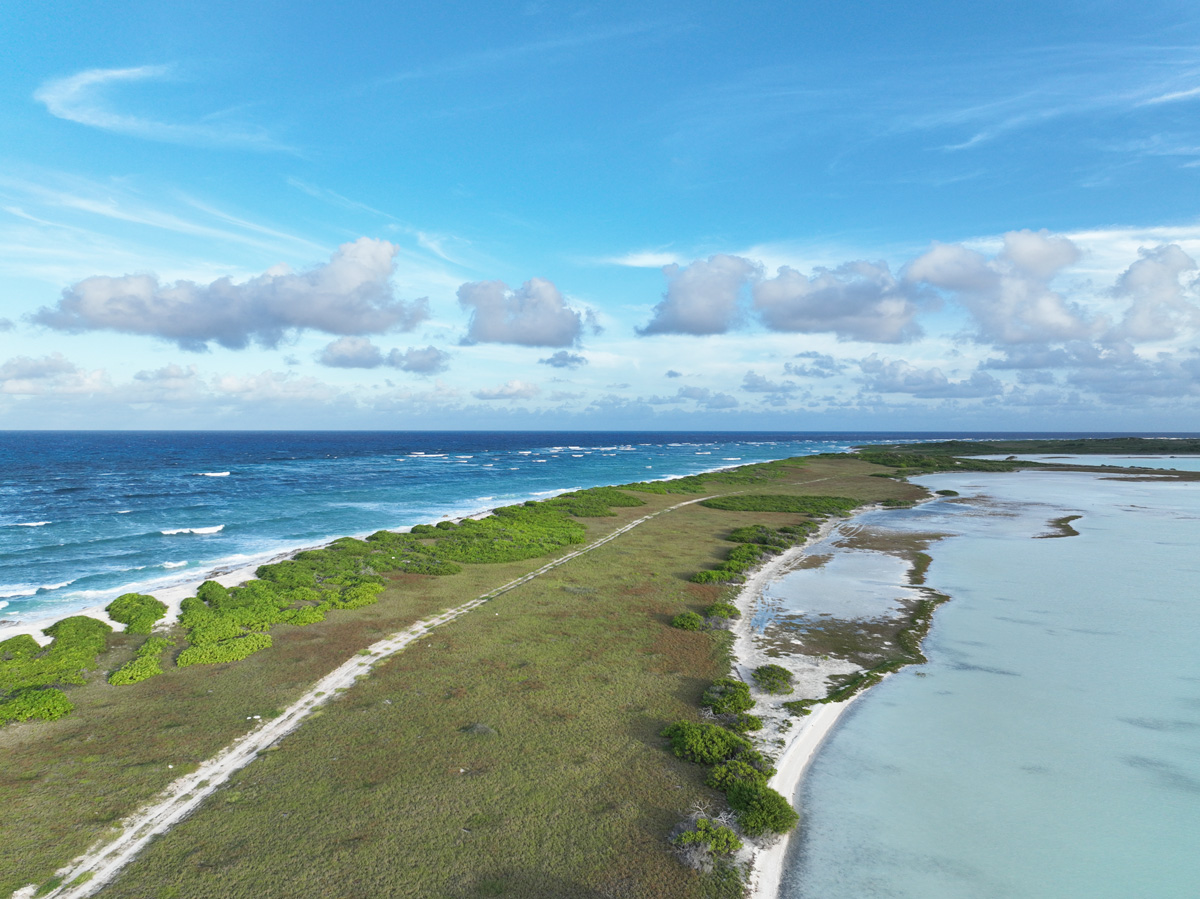
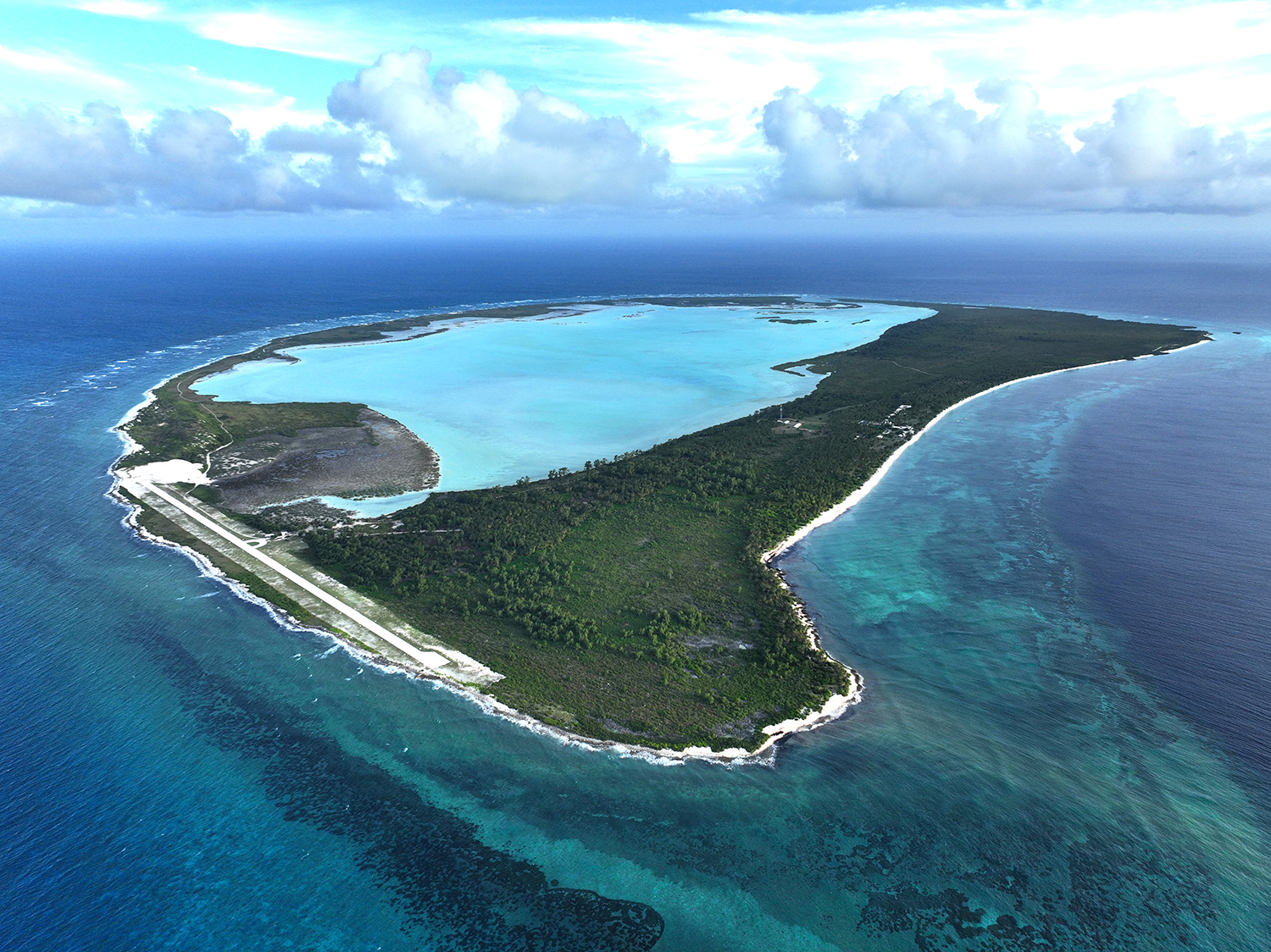
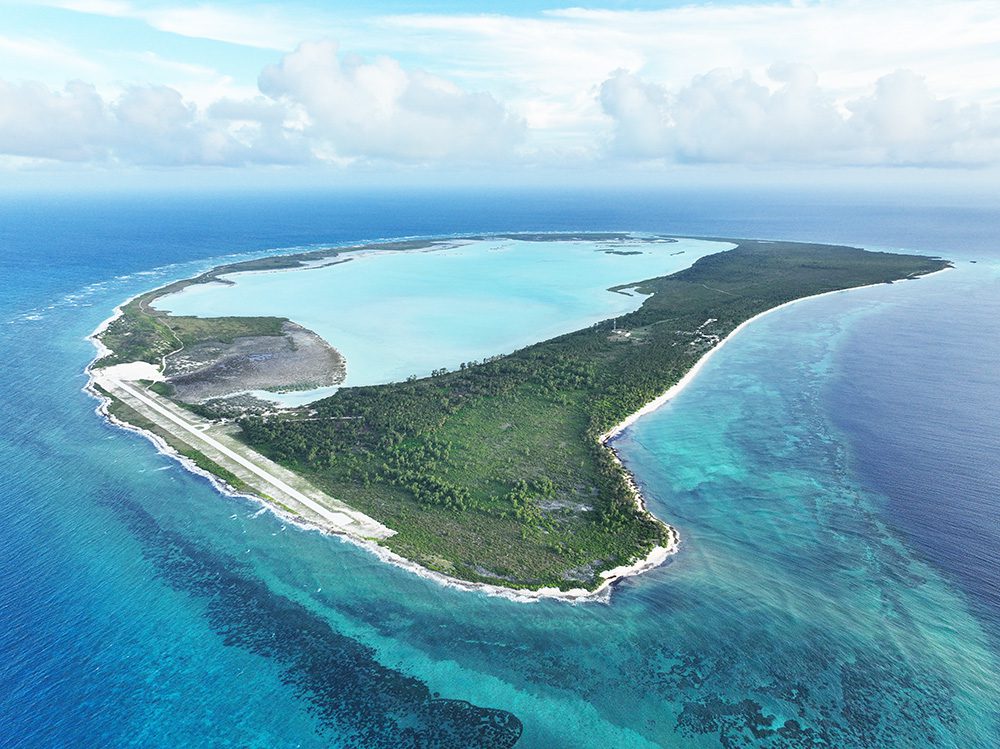
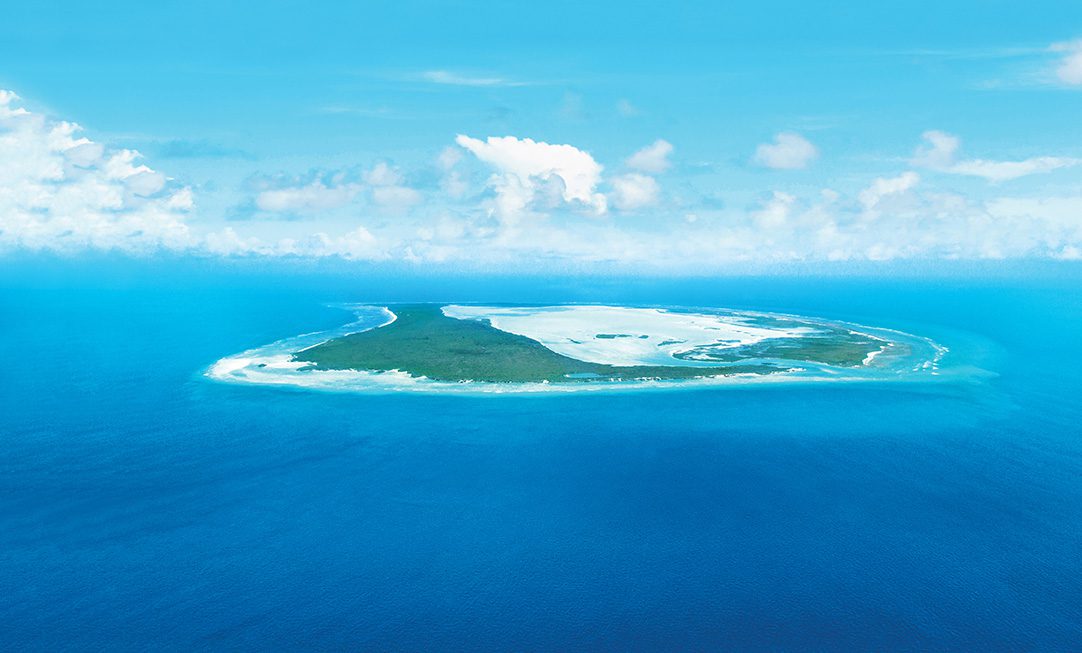
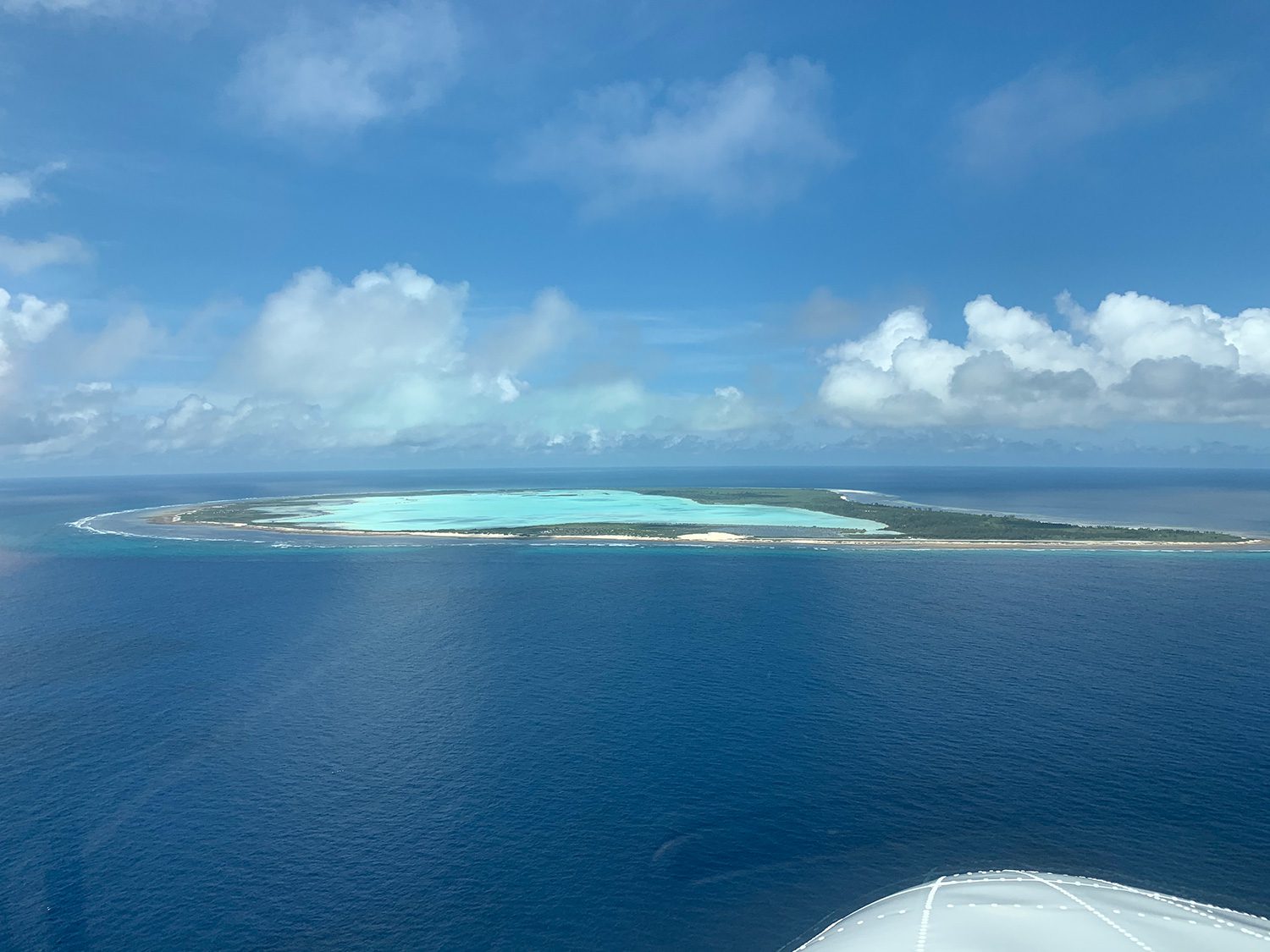
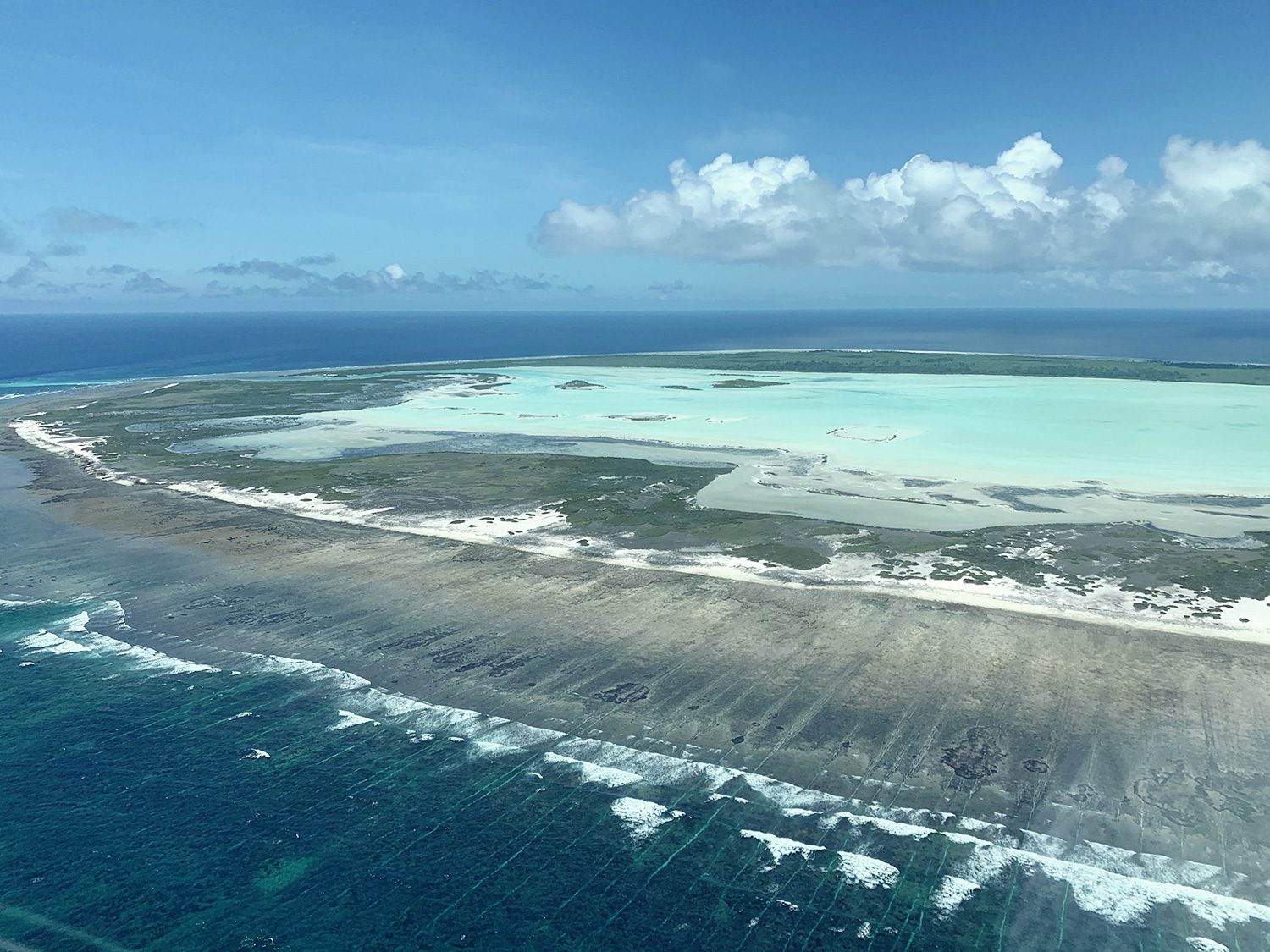
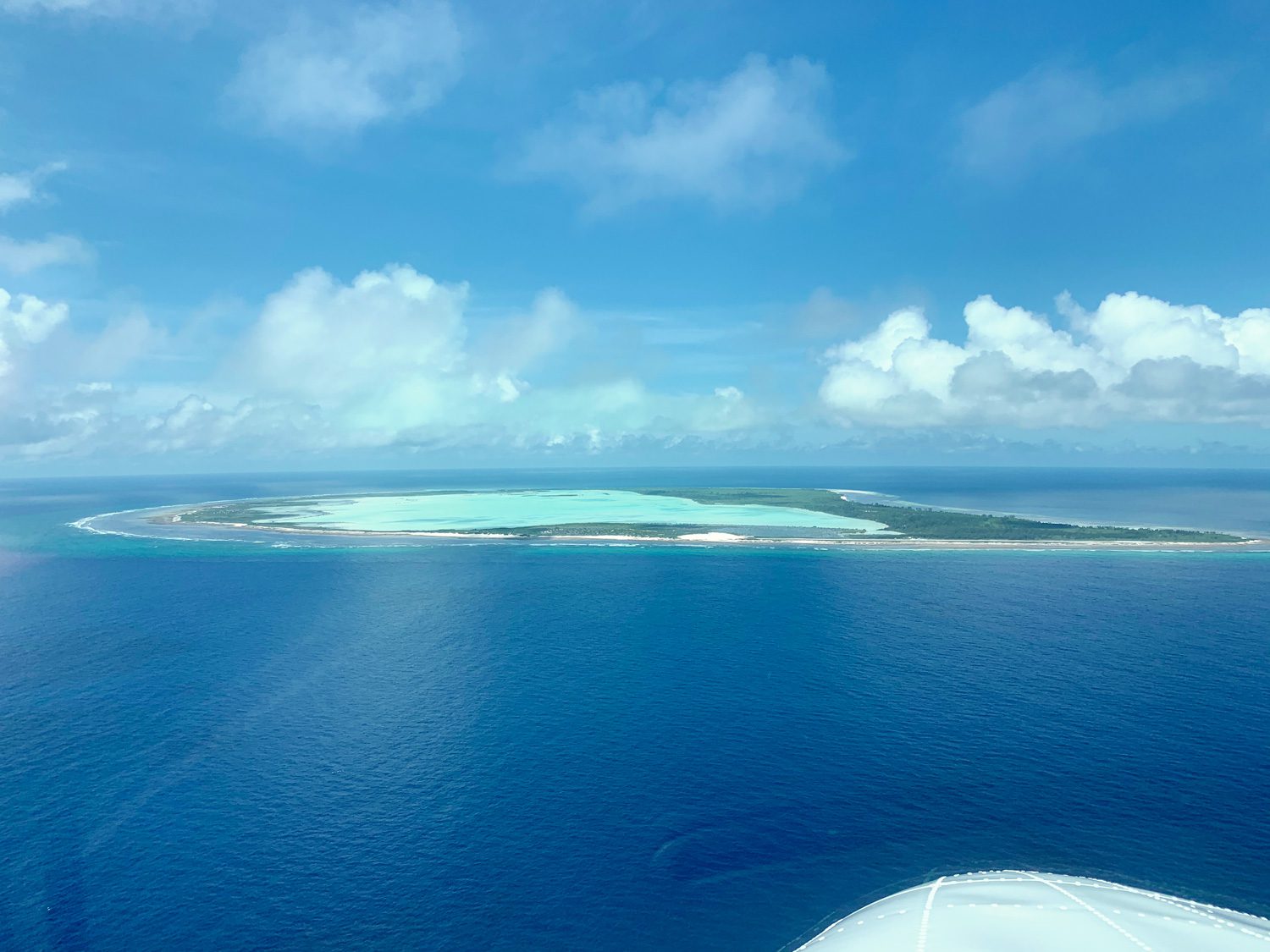
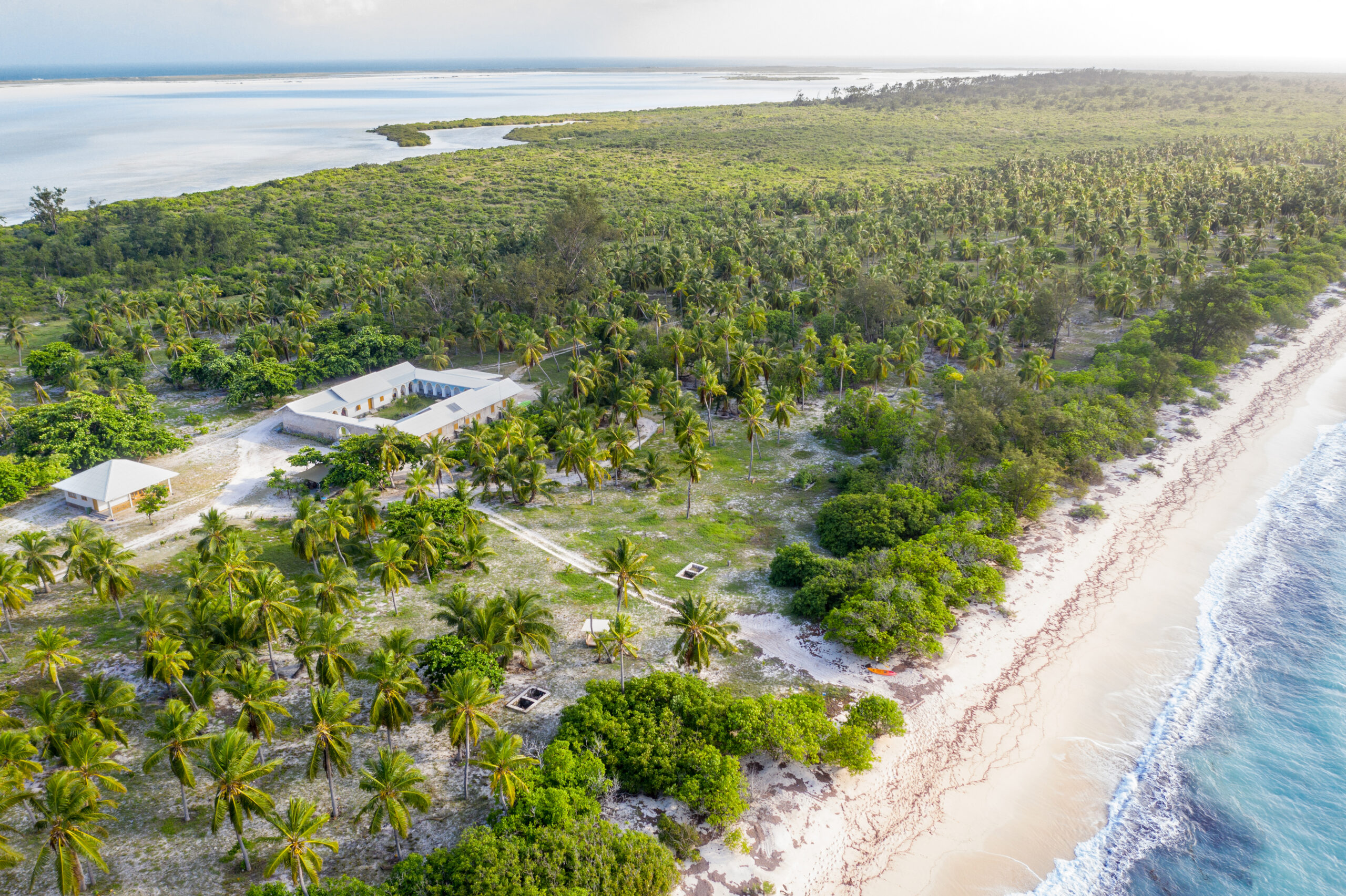
Astove lies in the Aldabra Group, 1,045 km southwest of Mahé. It is the 8th largest island in Seychelles and sits on the same volcanic basement as Cosmoledo. The 661-hectare island, circles a shallow lagoon of 5 km2 with a single entrance called Gueule Bras Channel. Because of this geographical feature, the lagoon never dries out, even at low tide. Astove is one of the most southerly islands of the Seychelles archipelago.
The island is surrounded by sheer drop-offs on its western side, and this makes for a unique diving and snorkeling experience. The ‘Wall’ of Astove is breathtakingly beautiful and is best described as looking down into the Grand Canyon. It is reputed to be one of the two best wall-diving places in the world – the other being the ‘Tongue of the Sea’ in the Bahamas.
The name Astove is said to be derived from the Portuguese As Doze Ilhas, meaning the twelve islands, which may have been the original Portuguese name for Farquhar, and transferred in error to this island, which lies 370 km to the west.
The island is surrounded by sheer drop-offs on its western side, and this makes for a unique diving and snorkeling experience. The ‘Wall’ of Astove is breathtakingly beautiful and is best described as looking down into the Grand Canyon. It is reputed to be one of the two best wall-diving places in the world – the other being the ‘Tongue of the Sea’ in the Bahamas.
The name Astove is said to be derived from the Portuguese As Doze Ilhas, meaning the twelve islands, which may have been the original Portuguese name for Farquhar, and transferred in error to this island, which lies 370 km to the west.

Island Background
History
Many vessels have come to grief on the reefs surrounding Astove. In 1760, The Dom Royal, a
Portuguese ship transporting treasure and 300 slaves ran aground. Everyone reached shore safely and the Portuguese crew quickly sailed away on lifeboats never to be seen again, leaving the slaves behind.
The slaves remained on Astove for some 36 years. Various attempts were made to take the slaves away over the years, some more successful than others. Some of these slaves were taken to Mahé by Seychellois captains in the 1790’s. As such, these are the first Seychellois, and not the people who landed on St. Anne in 1770.
Two other notable shipwrecks on Astove are The Tiger in 1836 from Liverpool, on its way to Bombay and Le Norvegien on 7th June 1929. Captain Otto Olsen and some of the crew of this cargo ship drowned. They are buried in the island’s cemetery.
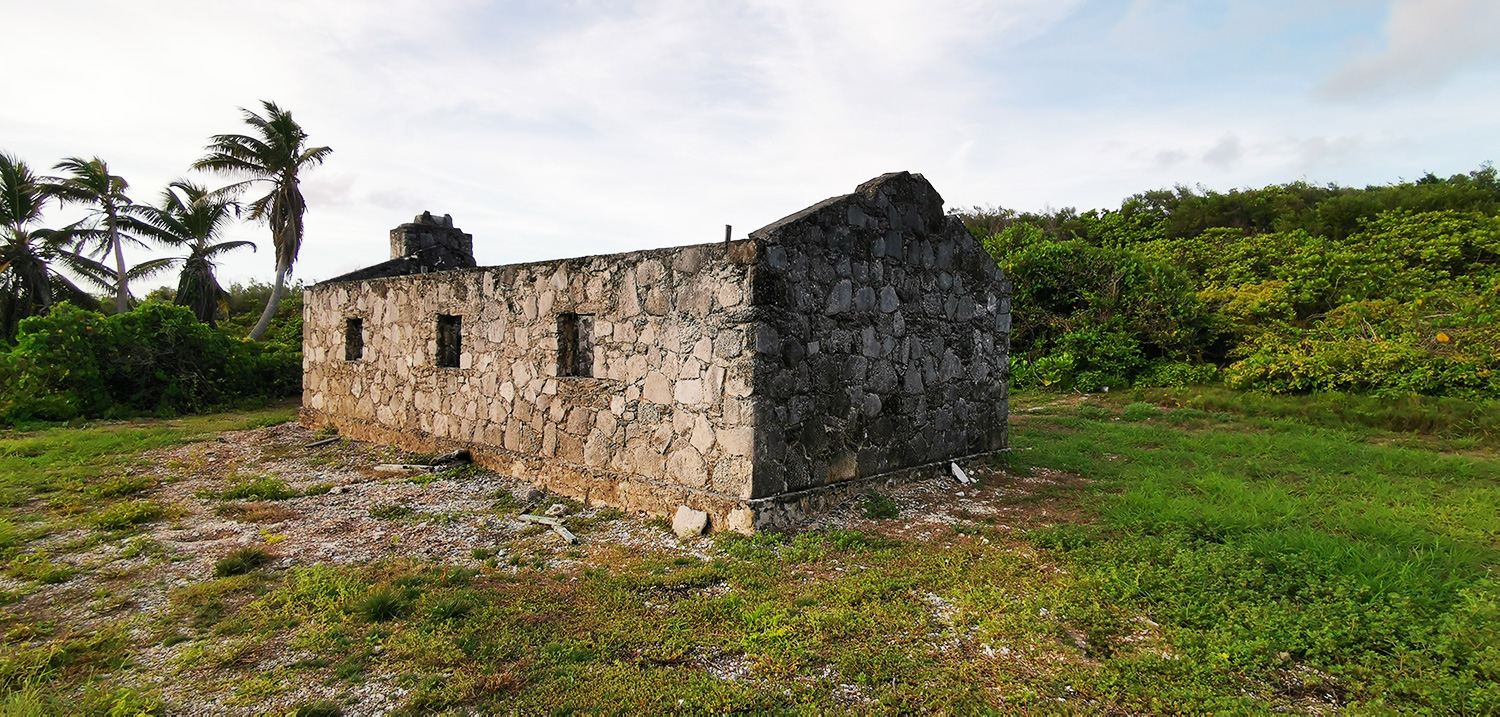
Between 1857 to 1927, various persons leased the island and placed workers there, to produce mainly salted fish and turtle, but none of these ventures really lasted. In 1927, a different industry started. This was the extraction of guano. Between 1927 and 1960, 72,000 tons of this natural fertiliser was removed, and exported principally to Mauritius for the fields of sugar cane. This however, resulted in the destruction of the natural environment of the island, especially on its western arm.
In 1968, Mark and Wendy Veevers-Carter took the lease for Astove, after spending three years on Rémire. Preparing salted fish was an important activity. On land, the couple and their workers also started a coconut plantation and cultivated tobacco, and sisal, as economic crops. The first passenger aircraft linking Seychelles to the outside world used Astove as a refueling point. This was Wilken Air, which, in 1969, started a weekly air service from Mombasa. The small twin-engine Piper Navajo landed on Astove, on its way to Pointe Larue. Unfortunately, this did not last long as Wendy Veevers-Carter had to leave Astove, in 1970, after Mark passed away unexpectedly.
Portuguese ship transporting treasure and 300 slaves ran aground. Everyone reached shore safely and the Portuguese crew quickly sailed away on lifeboats never to be seen again, leaving the slaves behind.
The slaves remained on Astove for some 36 years. Various attempts were made to take the slaves away over the years, some more successful than others. Some of these slaves were taken to Mahé by Seychellois captains in the 1790’s. As such, these are the first Seychellois, and not the people who landed on St. Anne in 1770.
Two other notable shipwrecks on Astove are The Tiger in 1836 from Liverpool, on its way to Bombay and Le Norvegien on 7th June 1929. Captain Otto Olsen and some of the crew of this cargo ship drowned. They are buried in the island’s cemetery.
Between 1857 to 1927, various persons leased the island and placed workers there, to produce mainly salted fish and turtle, but none of these ventures really lasted. In 1927, a different industry started. This was the extraction of guano. Between 1927 and 1960, 72,000 tons of this natural fertiliser was removed, and exported principally to Mauritius for the fields of sugar cane. This however, resulted in the destruction of the natural environment of the island, especially on its western arm.
In 1968, Mark and Wendy Veevers-Carter took the lease for Astove, after spending three years on Rémire. Preparing salted fish was an important activity. On land, the couple and their workers also started a coconut plantation and cultivated tobacco, and sisal, as economic crops. The first passenger aircraft linking Seychelles to the outside world used Astove as a refueling point. This was Wilken Air, which, in 1969, started a weekly air service from Mombasa. The small twin-engine Piper Navajo landed on Astove, on its way to Pointe Larue. Unfortunately, this did not last long as Wendy Veevers-Carter had to leave Astove, in 1970, after Mark passed away unexpectedly.
Preserving the Island's Unique Biodiversity
Conservation
Four land bird species still survive: The vegetation of Astove is similar to Cosmoledo including several plant species found only on other islands of the Aldabra group.

The shoreline of the lagoon is fringed with bwa-d-amann and bwa matlo. There are areas of sisal which is very difficult to penetrate in places. The eastern rim of the atoll, exposed to the strong southeast winds, is almost bare of trees except for a few coconuts. Mangroves grow along much of the lagoon shore, especially in the southeast and close to Gueule Bras Channel. Astove is renowned for its butterflies.
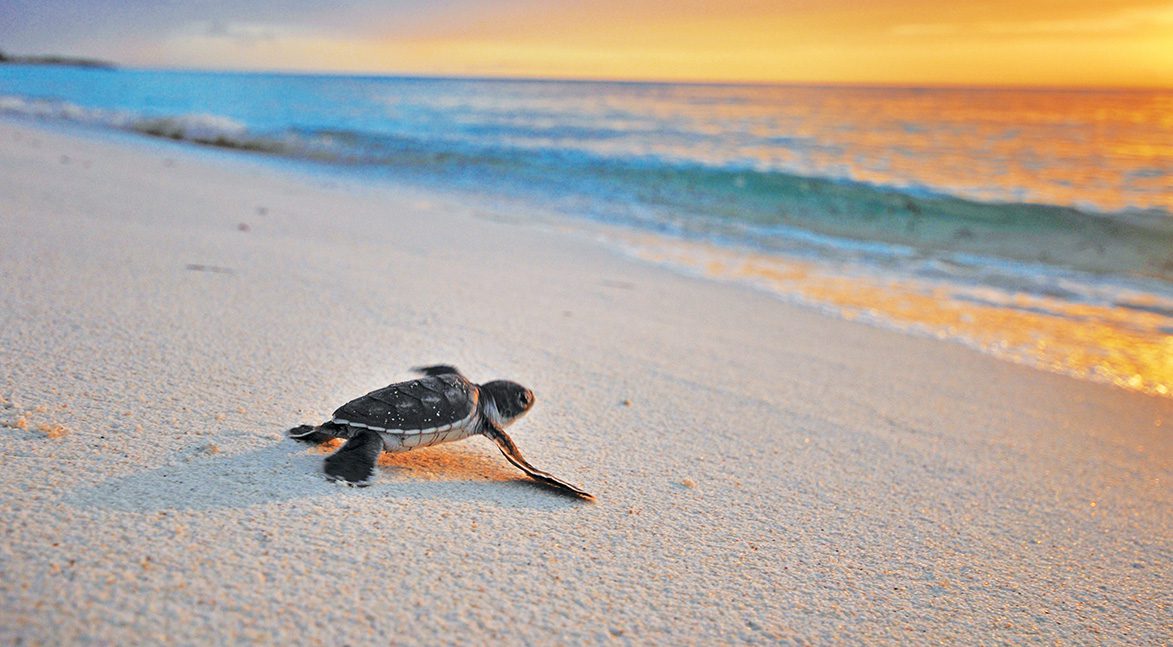
Giant tortoises were exterminated from Astove early in human history but have been re-introduced from Aldabra. The Astove Day Gecko is an endemic subspecies. Green turtles breed. The reefs of Astove are the most spectacular in Seychelles. Renowned underwater photographer Stan Waterman pronounced it to be the most spectacular coral reef he had ever seen.
Giant tortoises were exterminated from Astove early in human history but have been re-introduced from Aldabra. The Astove Day Gecko is an endemic subspecies. Green turtles breed. The reefs of Astove are the most spectacular in Seychelles. Renowned underwater photographer Stan Waterman pronounced it to be the most spectacular coral reef he had ever seen.
Nature conservation meets visitor experience
Economic Activities
Astove boasts a radar facility for surveillance of the Southwest region of the Seychelles EEZ.
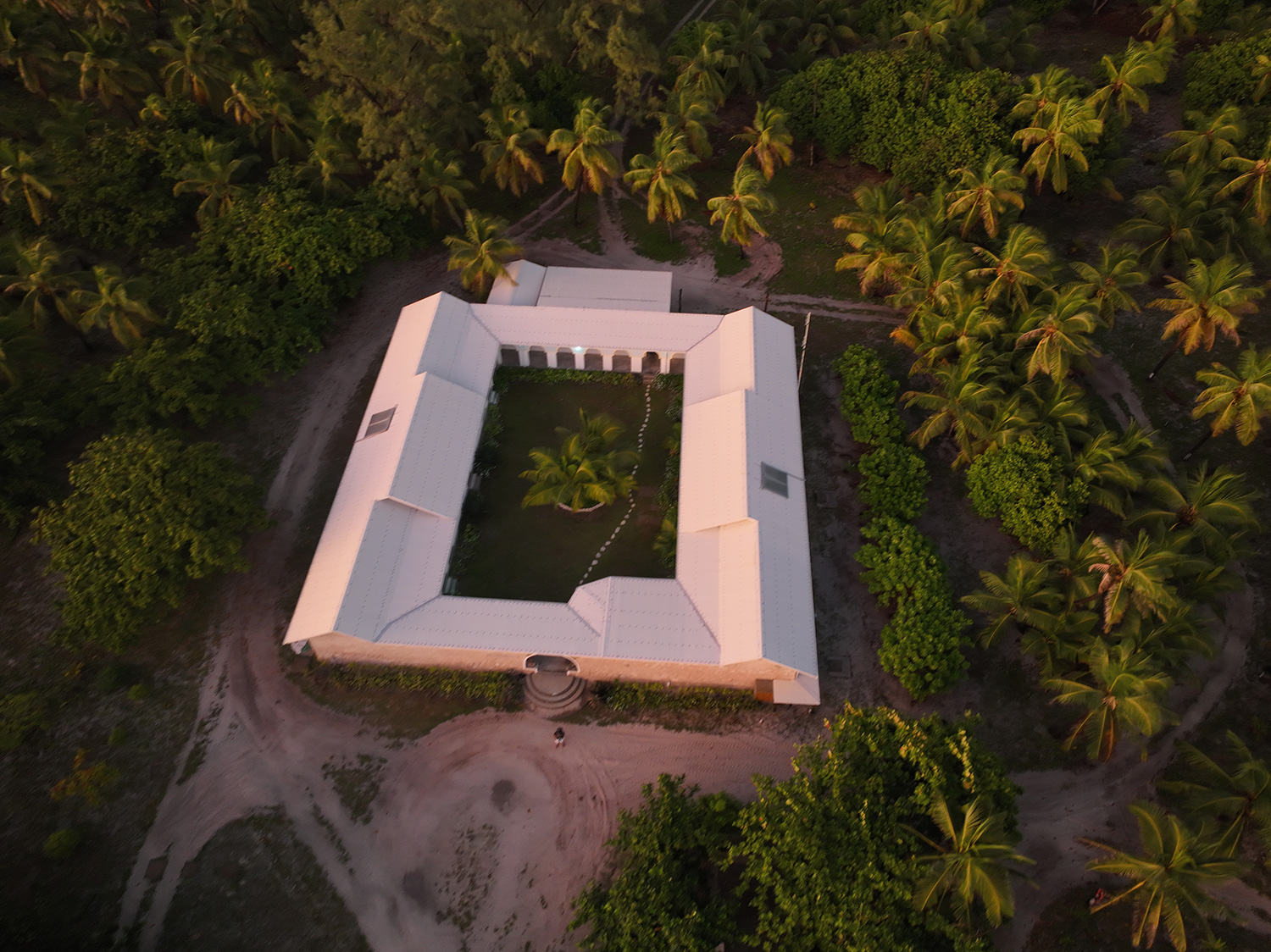
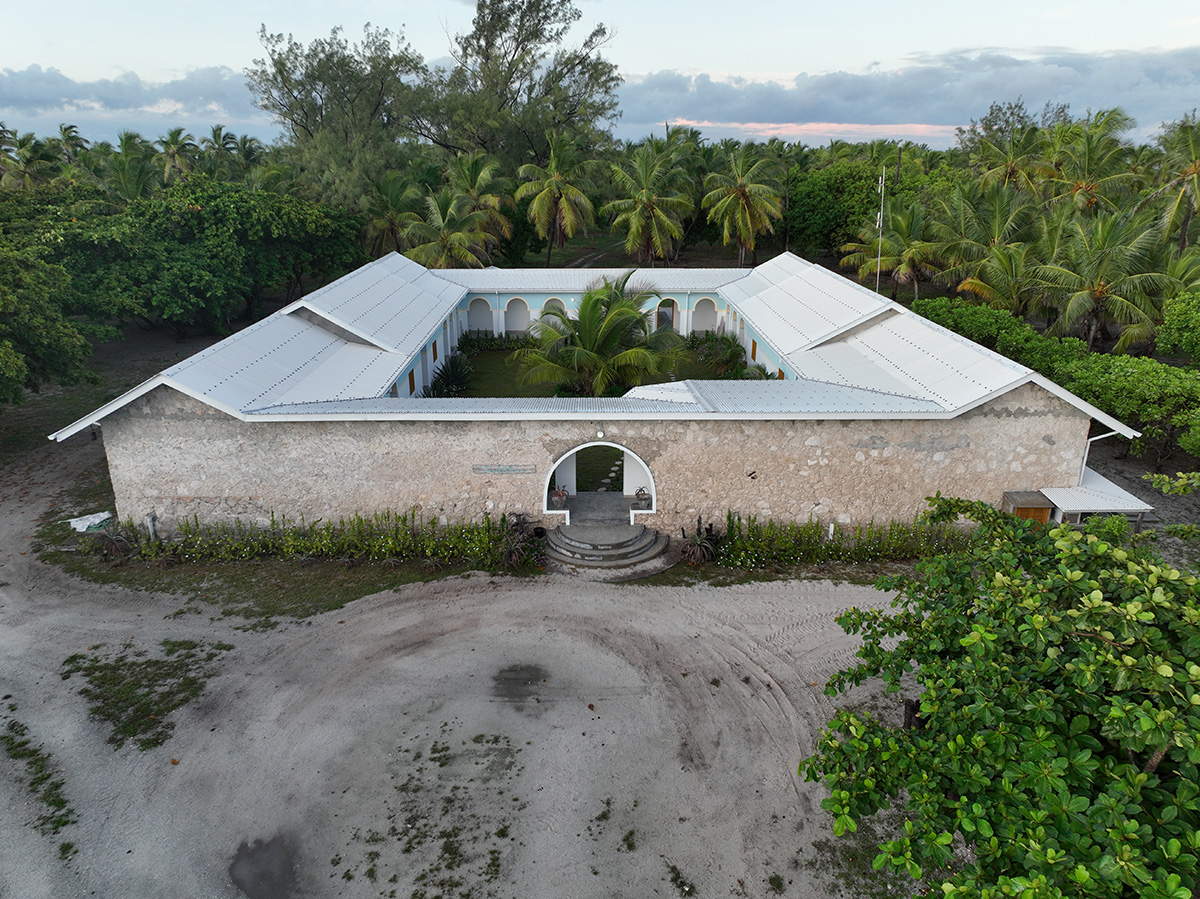
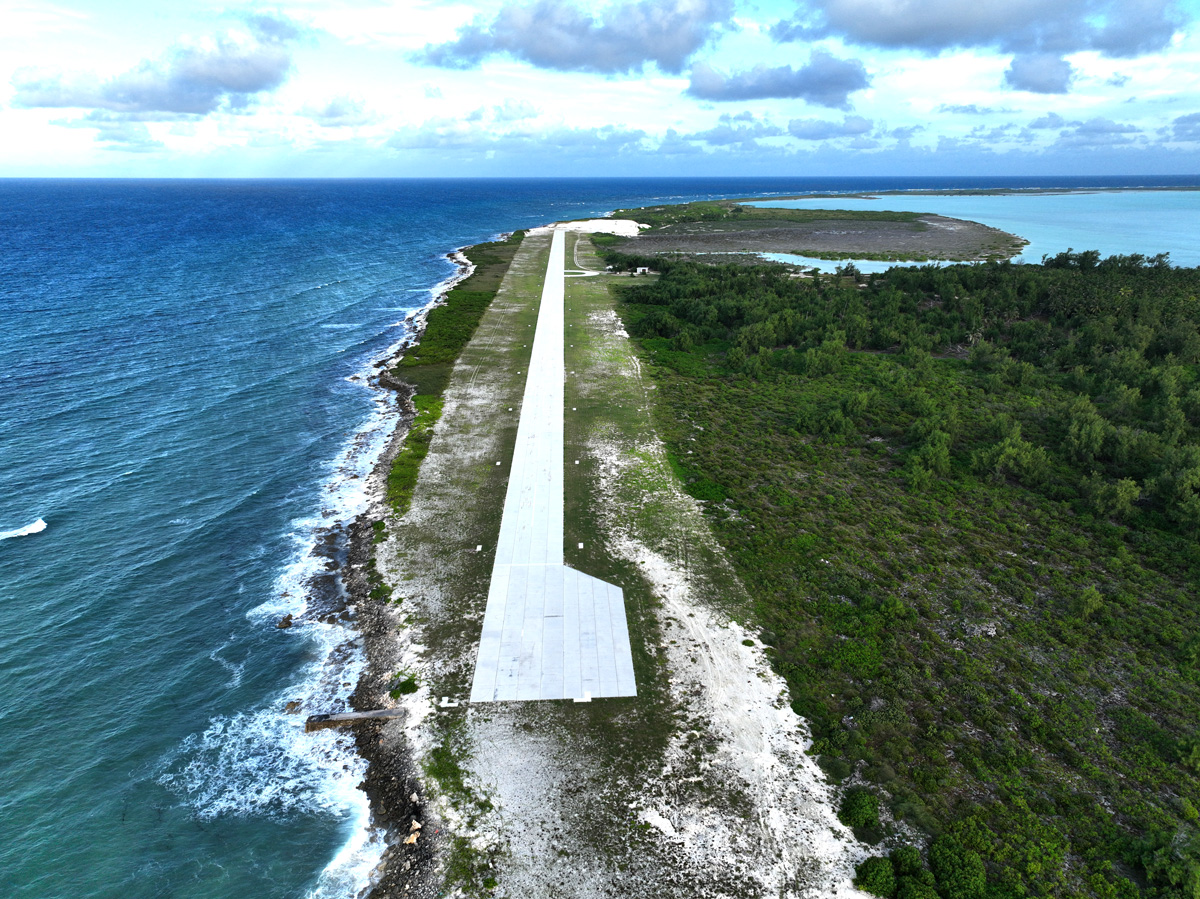
In 2015, IDC re-opened the airstrip constructed several decades earlier but subsequently abandoned and overgrown. The island has a successful fishing lodge for fly fisherman, the ‘Astove Coral House’, which former owners of the island, Marc and Wendy Veevers-Carter started to build but never finished.
Explore the Beauty of the Islands
Gallery