Farquhar

about the atoll
Overview
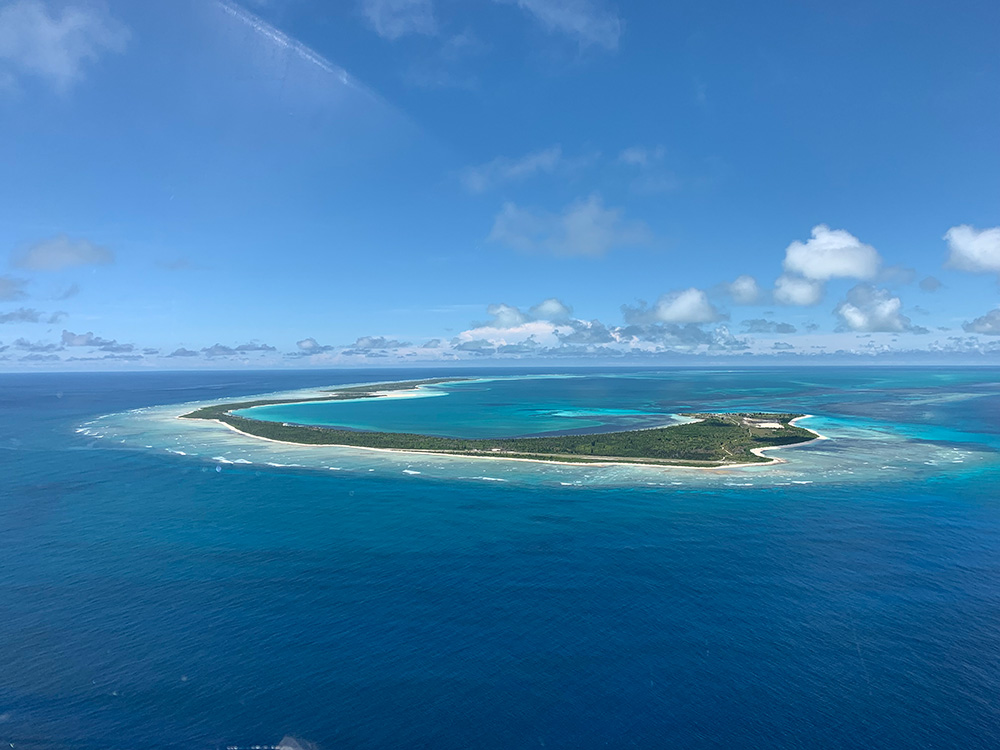
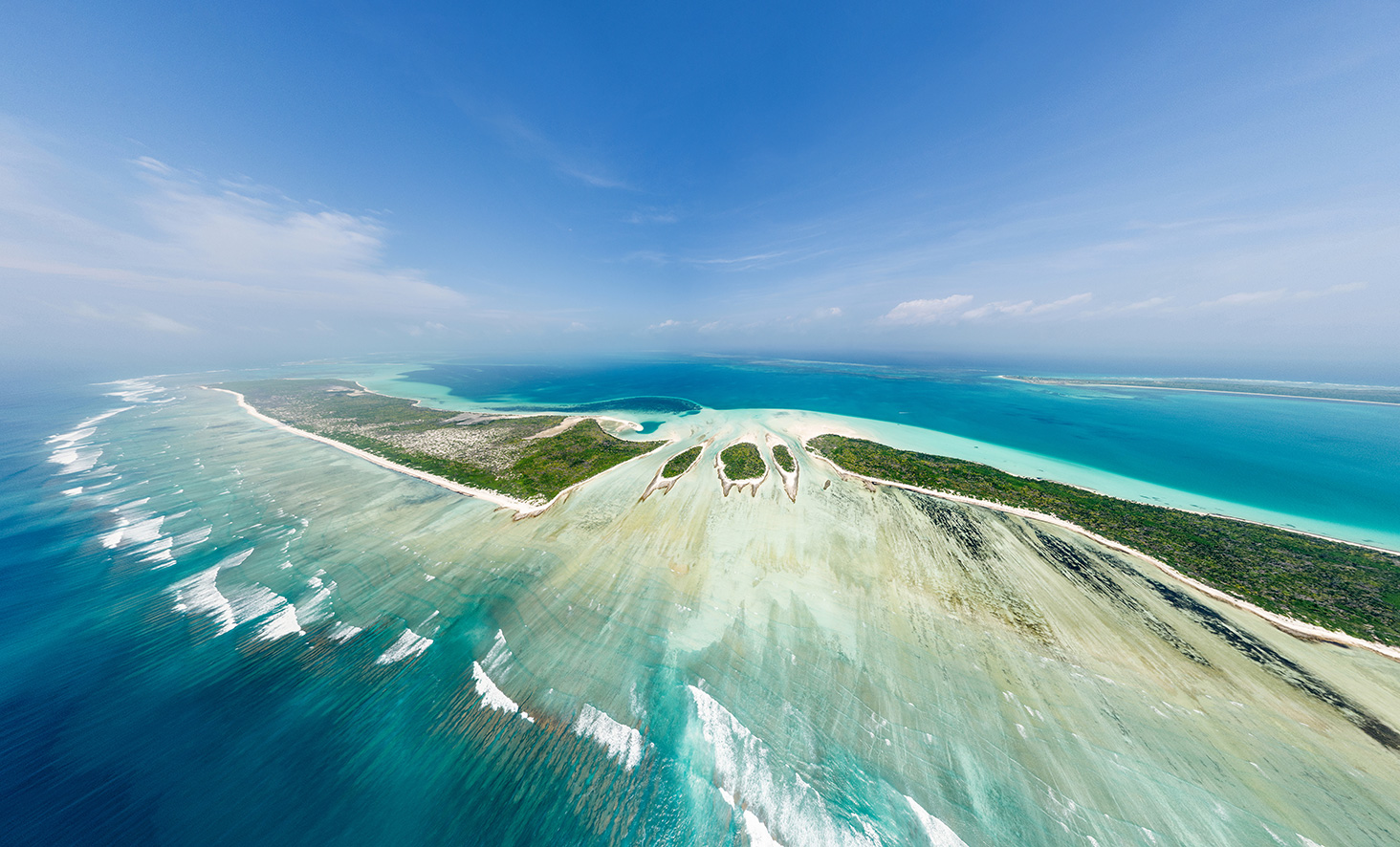
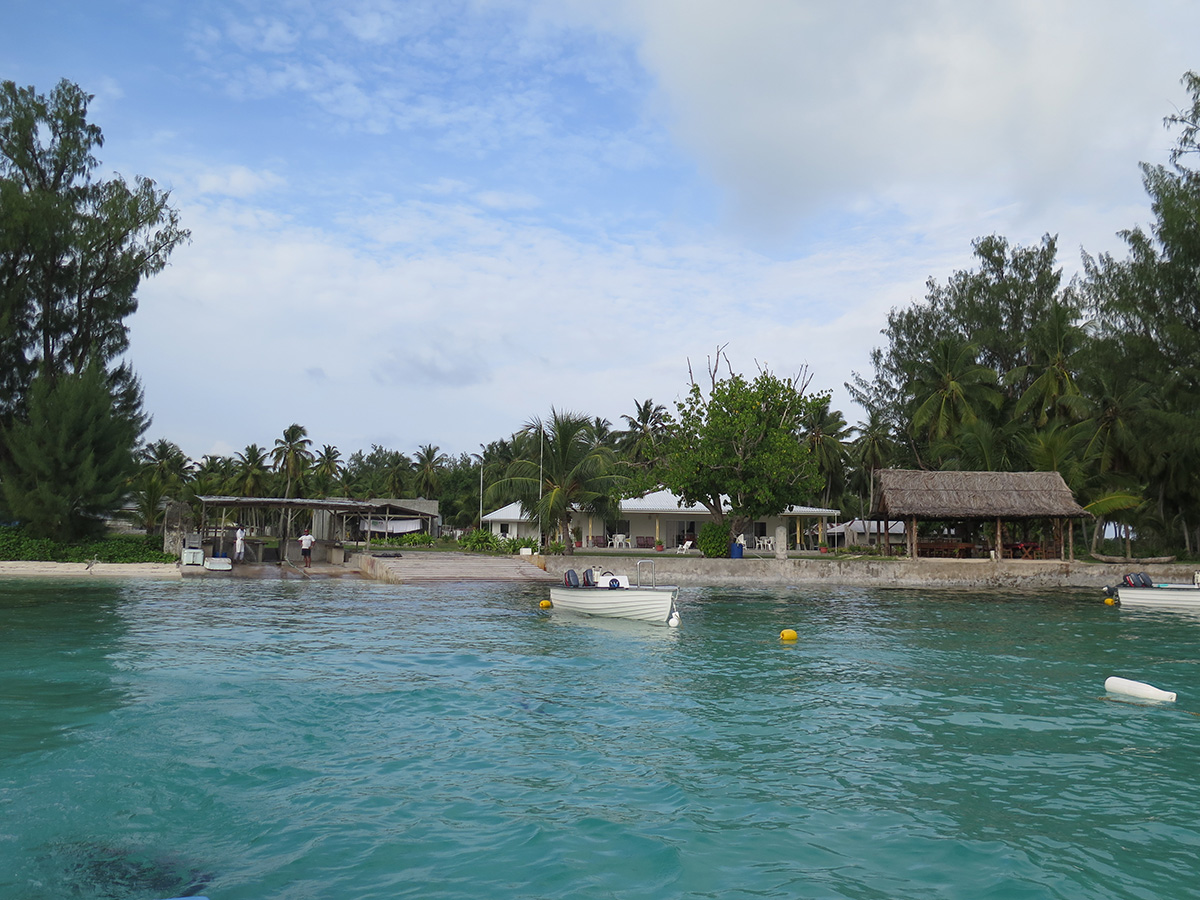
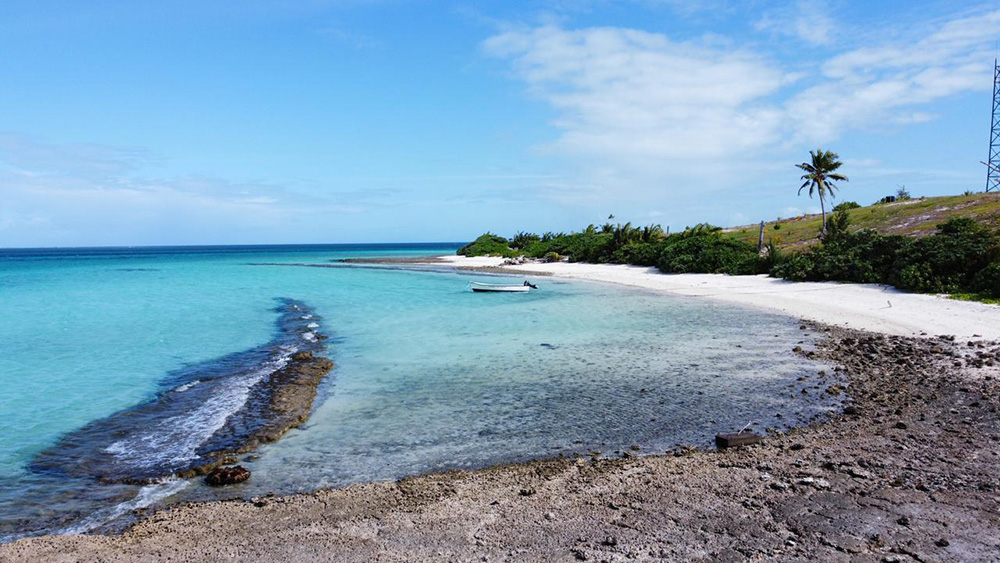
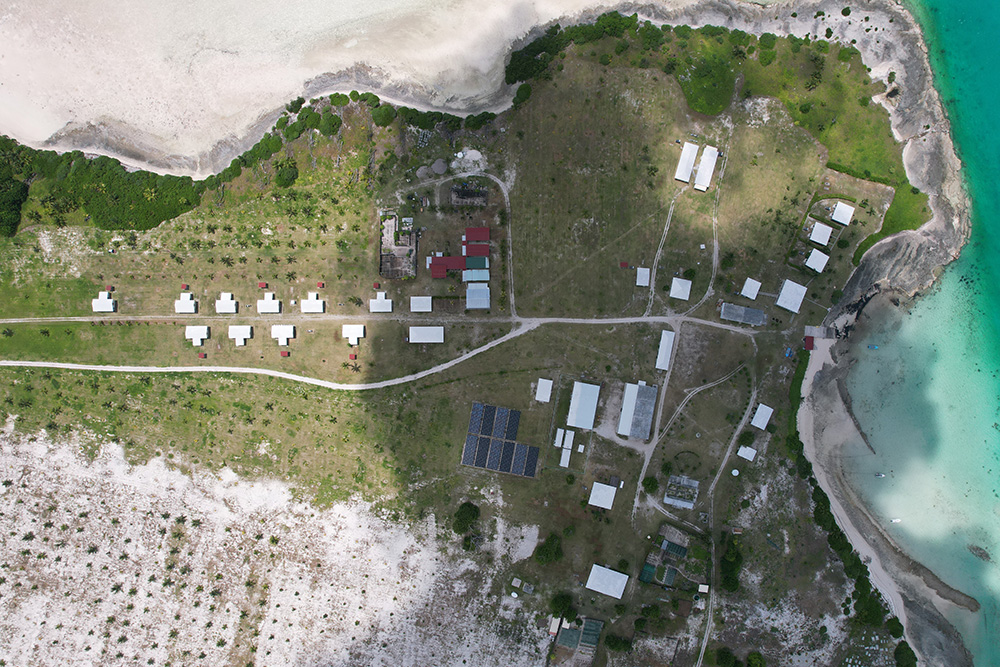
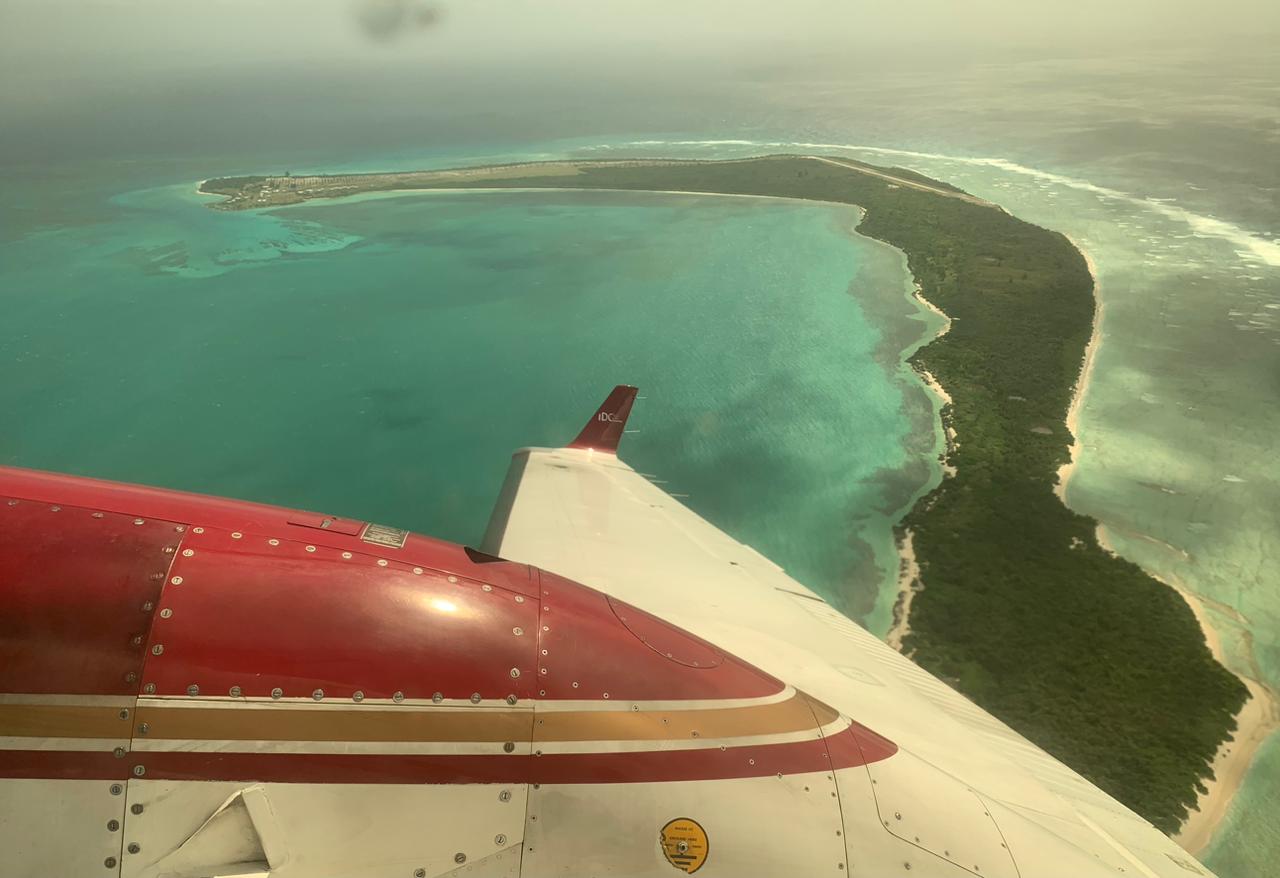
Farquhar Atoll lies 770 km south-southwest of Victoria. It is the largest true atoll of Seychelles, covering an area of about 17,800 hectares. There are ten islands. The two main islands, North Island and South Island, make up 97% of the landmass of 799 hectares. These are separated by three small islands known as the Manahas.
Three other islands lie in close proximity to each other on the northern rim of the atoll, Déposés, Ile du Milieu and Lapins. Banc du Sables is the most easterly island and Goëlettes is the most southerly island. The lagoon has a maximum depth of 14.6 metres.
It was named in honour of Sir Robert Farquhar in 1824, appointed governor of Mauritius when it was captured from the French (in 1810). Earlier visitors had named it after Portuguese explorer Joao da Nova who commanded that nation’s third expedition to India during which he encountered Farquhar (in 1504)
Three other islands lie in close proximity to each other on the northern rim of the atoll, Déposés, Ile du Milieu and Lapins. Banc du Sables is the most easterly island and Goëlettes is the most southerly island. The lagoon has a maximum depth of 14.6 metres.
It was named in honour of Sir Robert Farquhar in 1824, appointed governor of Mauritius when it was captured from the French (in 1810). Earlier visitors had named it after Portuguese explorer Joao da Nova who commanded that nation’s third expedition to India during which he encountered Farquhar (in 1504)
island background
History
For many years, Farquhar was an administrative grey area, both Mauritius and Seychelles claiming rights, until responsibility was formally transferred to Victoria.
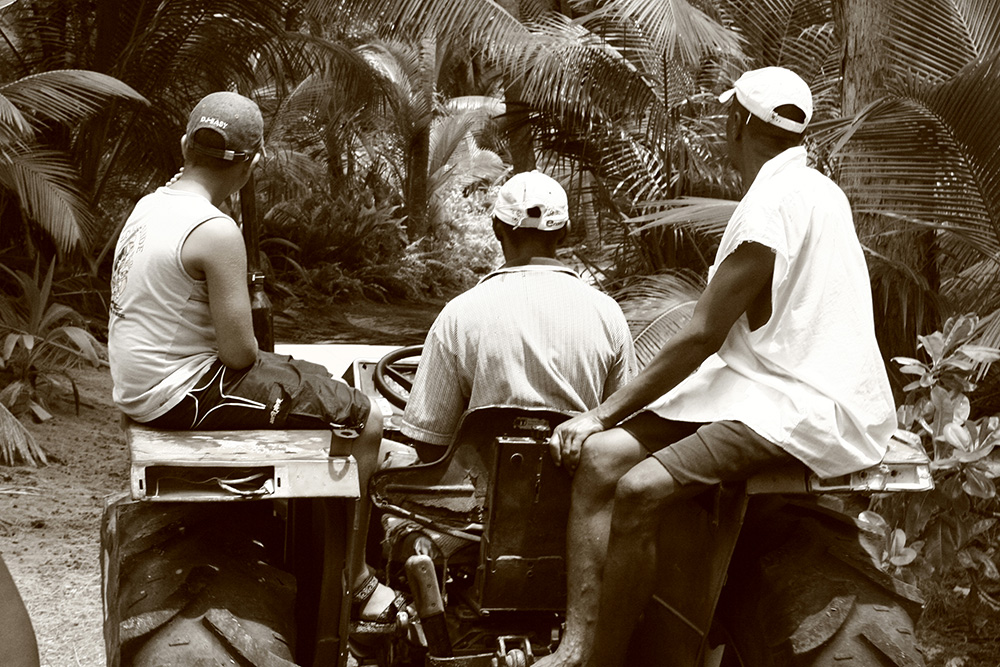
Private lessees made money from a coconut plantation and the export of products including dried fish, maize and guano. Captain Cauvin is buried on Farquhar in a standing position.
Owner of the boat La Felice, he is said to have foreseen his own death. Two days after Cauvin died, a ship arrived and to the surprise of the islanders, on board was his replacement. It seemed that Cauvin had taken the trouble to order his replacement in advance, knowing he would soon be dead. Residents of Farquhar swear that Captain Cauvin continues to haunt the island.
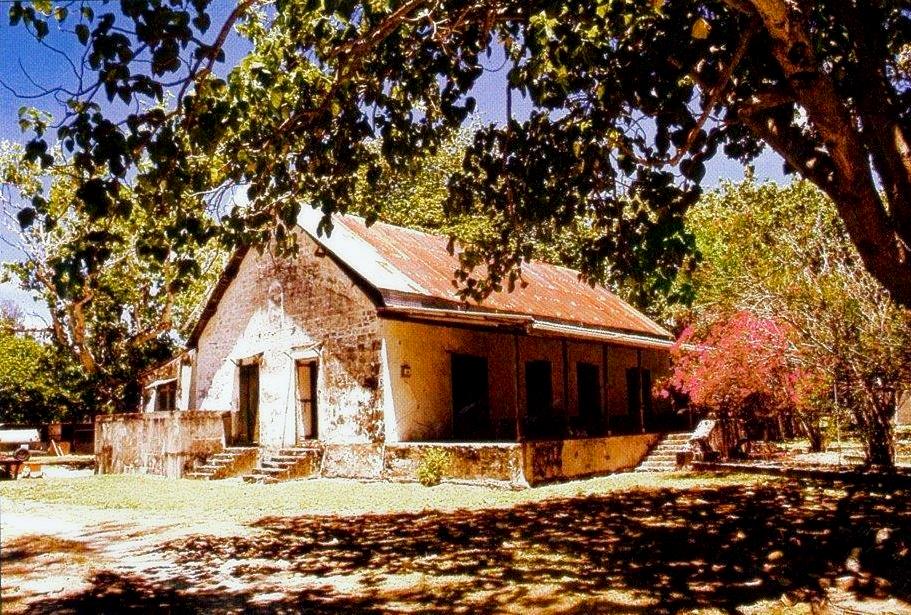
The settlement on North Island was dominated by a particularly grand plantation house, used by the manager and visitors but destroyed in 2016 by Cyclone Fantala.
Owner of the boat La Felice, he is said to have foreseen his own death. Two days after Cauvin died, a ship arrived and to the surprise of the islanders, on board was his replacement. It seemed that Cauvin had taken the trouble to order his replacement in advance, knowing he would soon be dead. Residents of Farquhar swear that Captain Cauvin continues to haunt the island.
The settlement on North Island was dominated by a particularly grand plantation house, used by the manager and visitors but destroyed in 2016 by Cyclone Fantala.
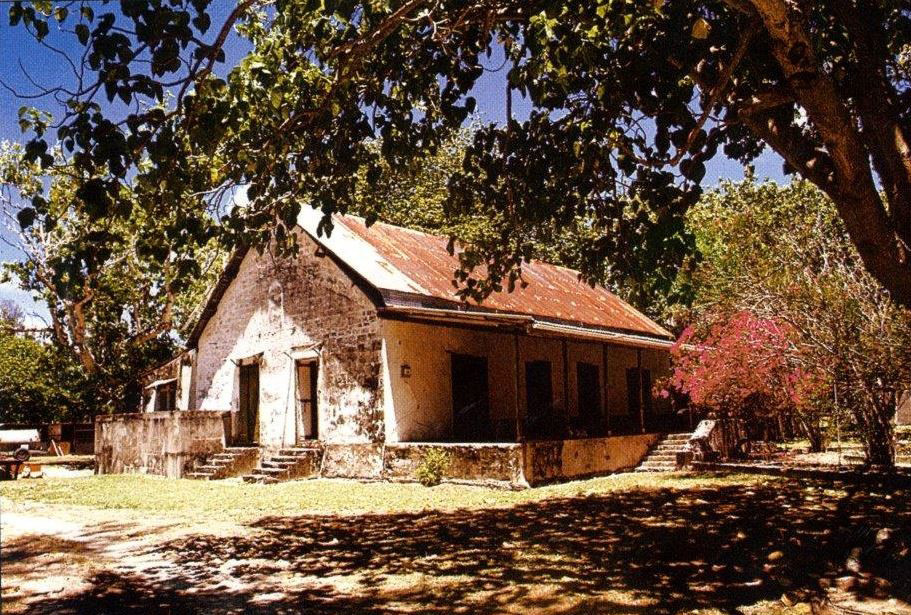
In 1965, Farquhar became a part of British Indian Ocean Territory (BIOT). Just prior to Seychelles’ independence, Farquhar was returned to Seychelles. Former President Albert Rene spent his early years on Farquhar when his father was manager of the atoll.
Preserving the island's Unique Biodiversity
Conservation
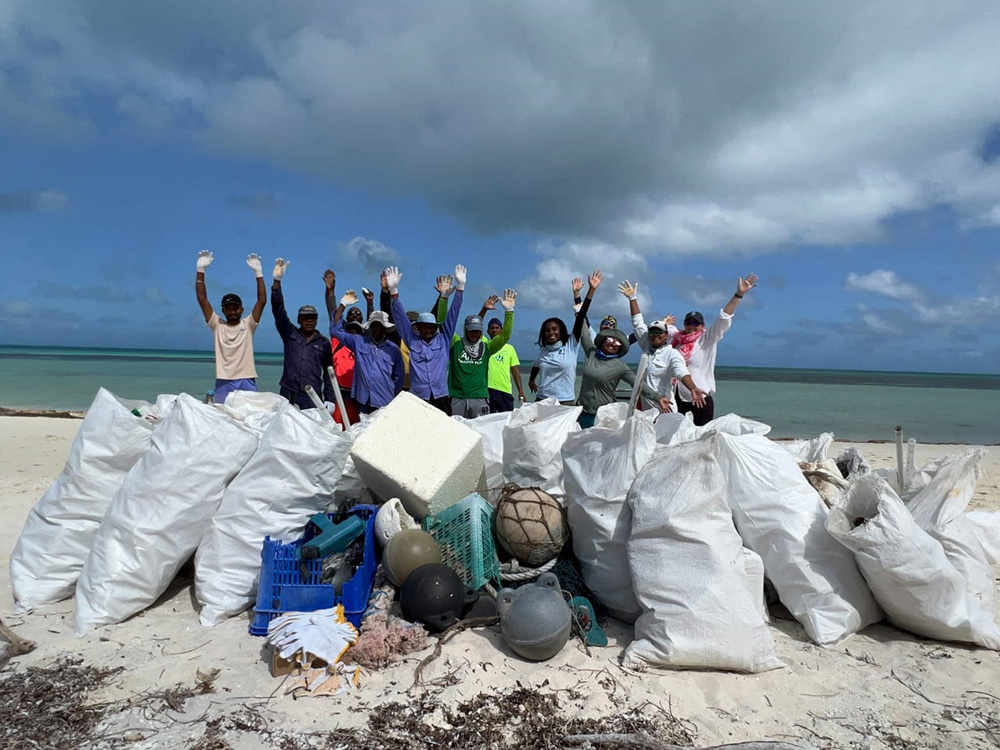
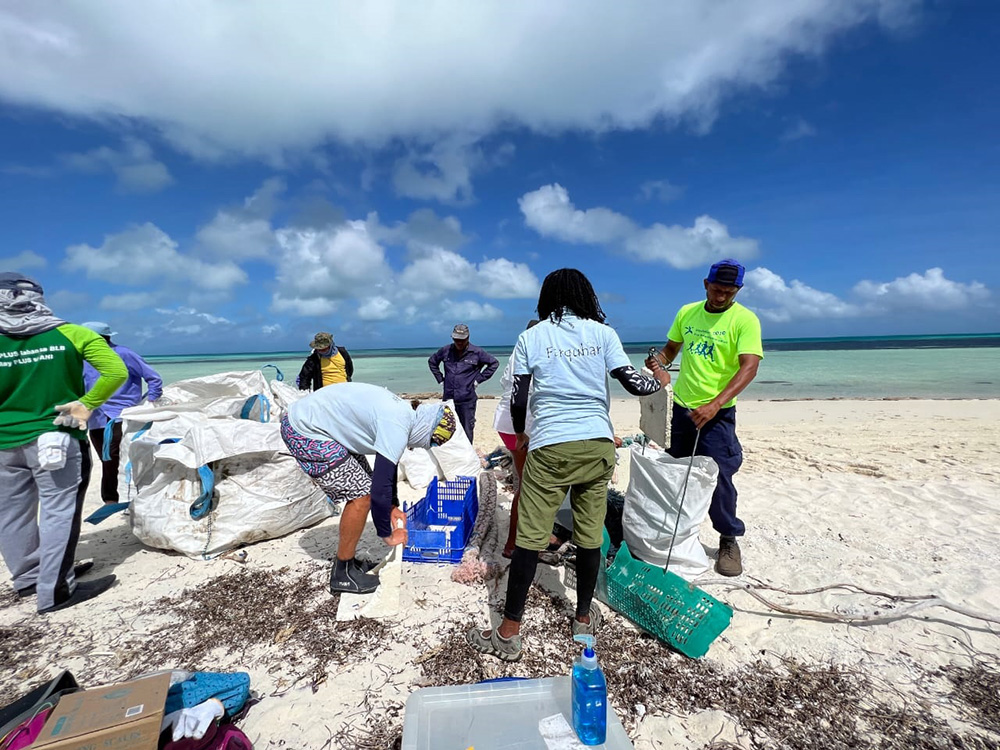
A Conservation Centre is run by Island Conservation Society.
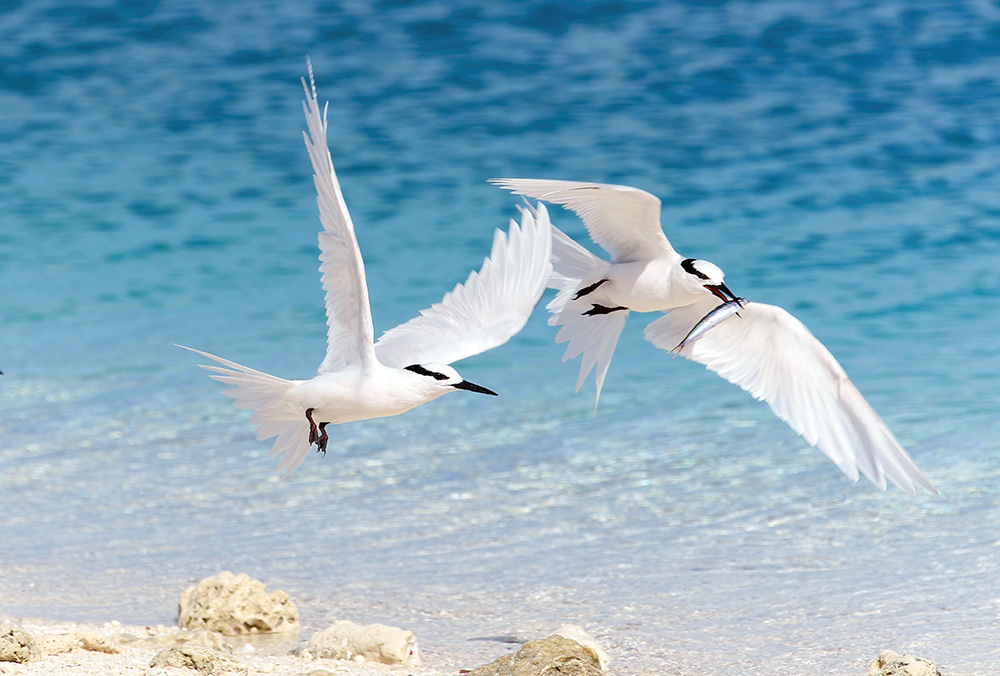
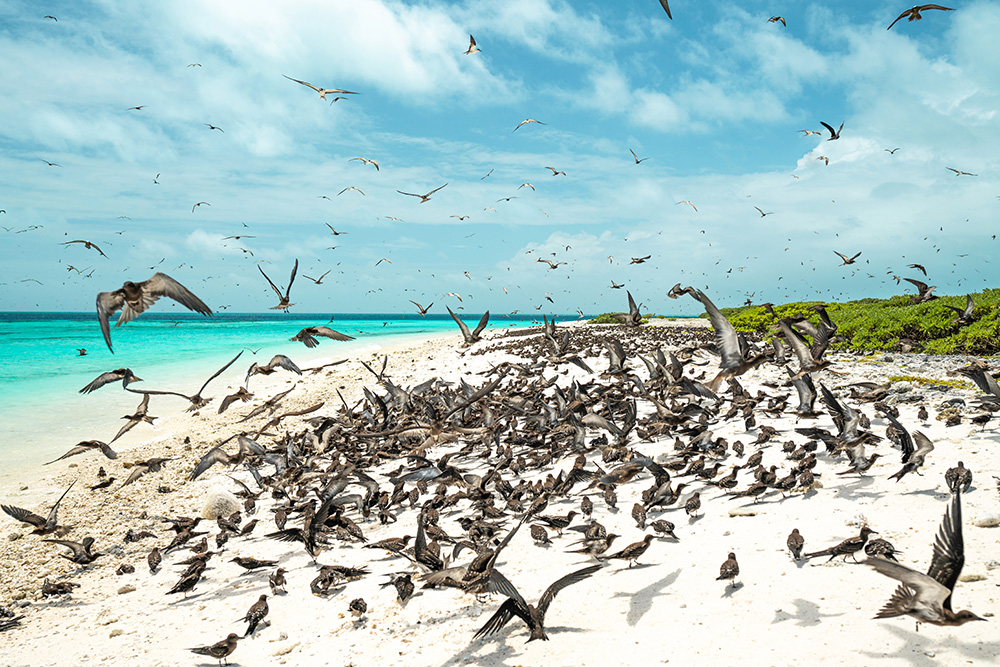
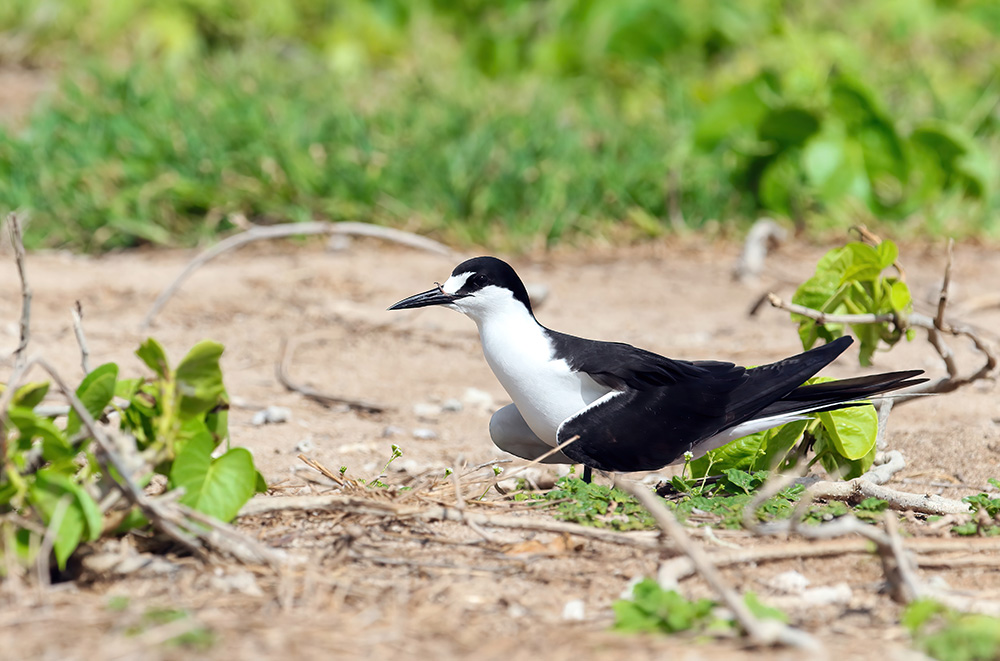
The islets of Farquhar (excluding North, South and the Manahas) form an Important Bird Area. Goëlettes is the most interesting for birds, including a huge seasonal colony of Sooty Terns. Roseate Tern (the most southerly breeding site in Seychelles) and Brown Noddy also breed.
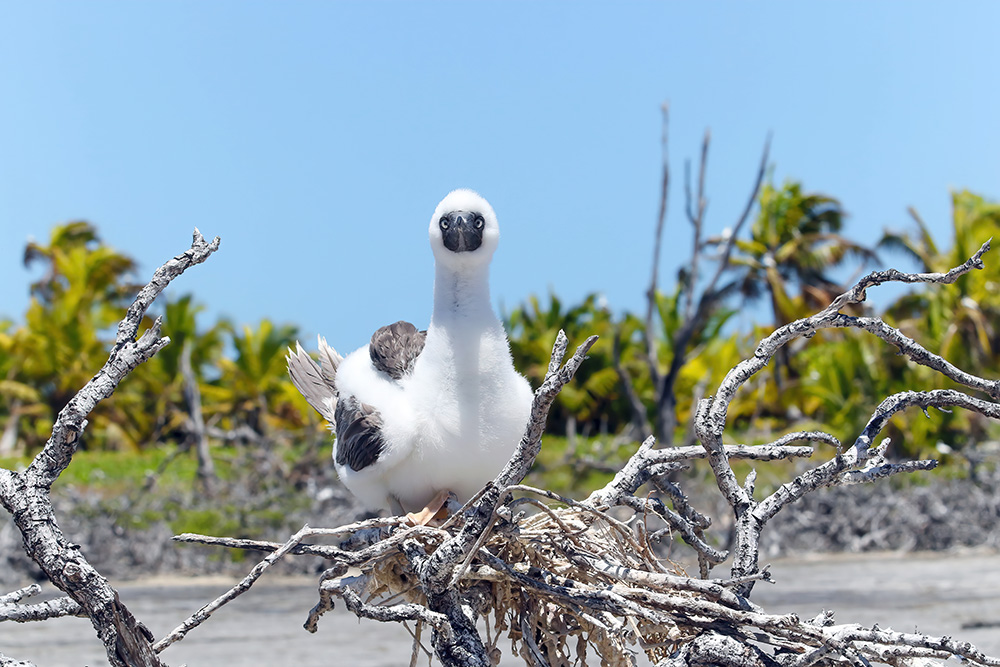
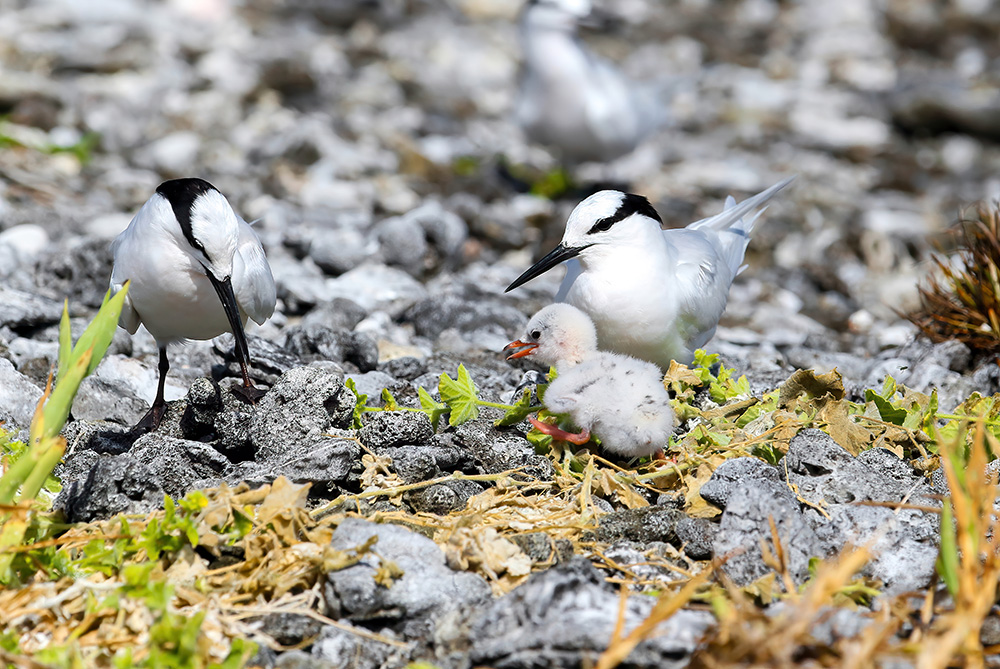
Red-footed Booby breed mainly on South Island, including the only breeding population of white-tailed brown morph in Seychelles. In 2006, ICS recorded a previously unknown colony of Black-naped Terns, the largest population in Seychelles.
Studies by Seychelles Fishing Authority have shown that the abundance of some grouper species is three times greater than in the north Amirantes and up to thirty times than in the granitics. The density of Napoleon Wrasse is phenomenal, possibly the highest in the world.
Red-footed Booby breed mainly on South Island, including the only breeding population of white-tailed brown morph in Seychelles. In 2006, ICS recorded a previously unknown colony of Black-naped Terns, the largest population in Seychelles.
Studies by Seychelles Fishing Authority have shown that the abundance of some grouper species is three times greater than in the north Amirantes and up to thirty times than in the granitics. The density of Napoleon Wrasse is phenomenal, possibly the highest in the world.
On the edge of the reef, at certain times of year, there are spawning aggregations of thousands of Camouflage Grouper and Brown-marbled Grouper.
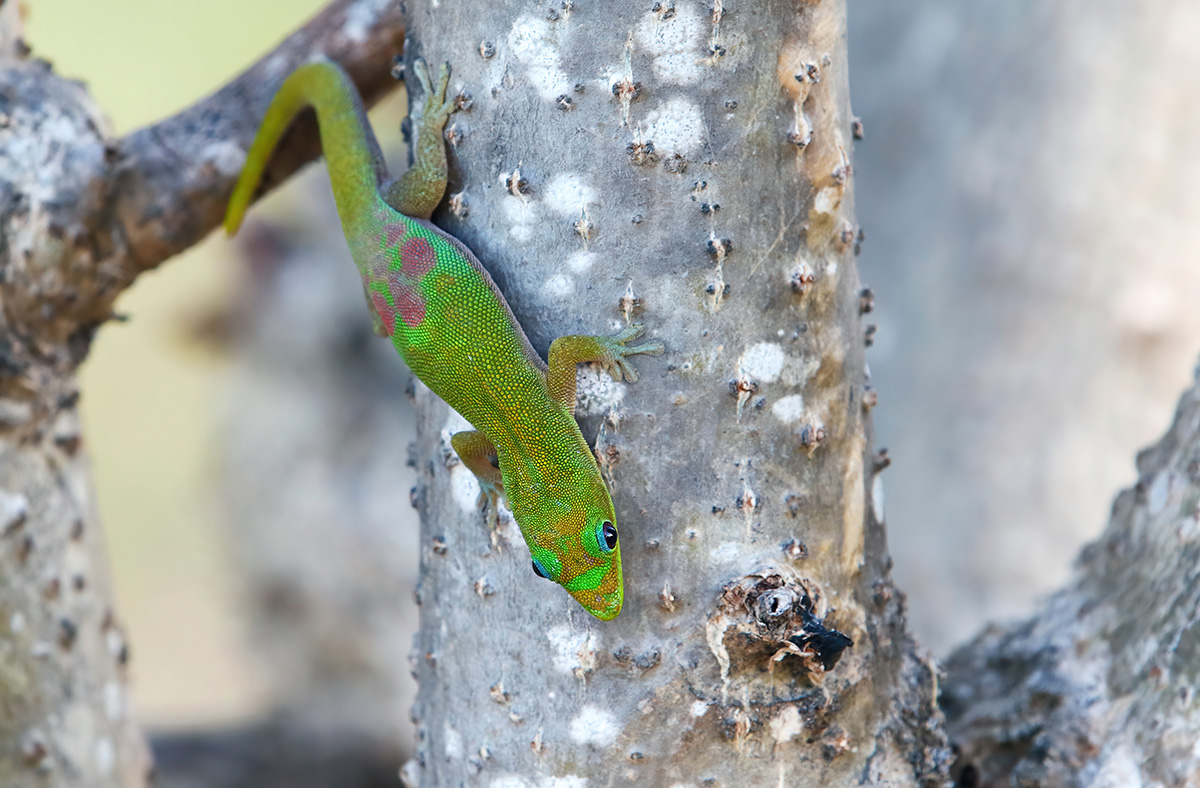
Farquhar is also an important nesting site for turtles. Other fauna of interest includes the Gold-dust Gecko and Coconut Crab.
Farquhar is also an important nesting site for turtles. Other fauna of interest includes the Gold-dust Gecko and Coconut Crab.
Conservation
Nature conservation meets visitor experience
Economic Activities
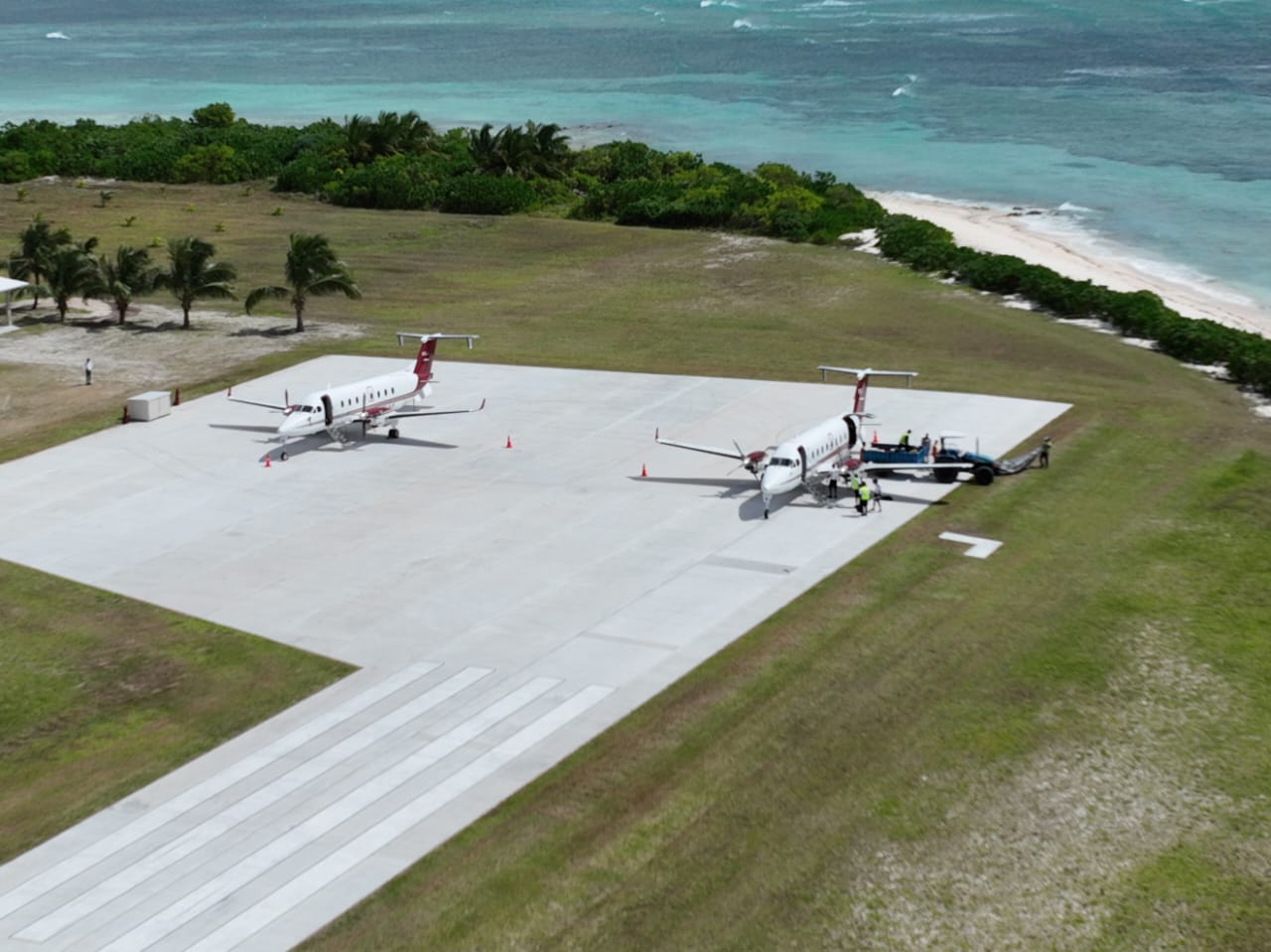
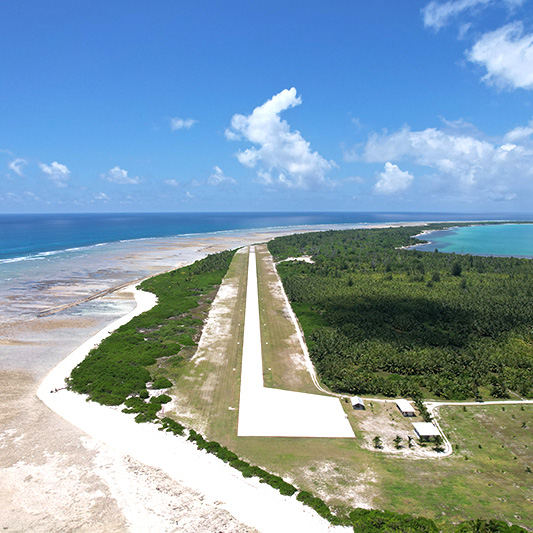
IDC built an airstrip to improve communications with Mahé.
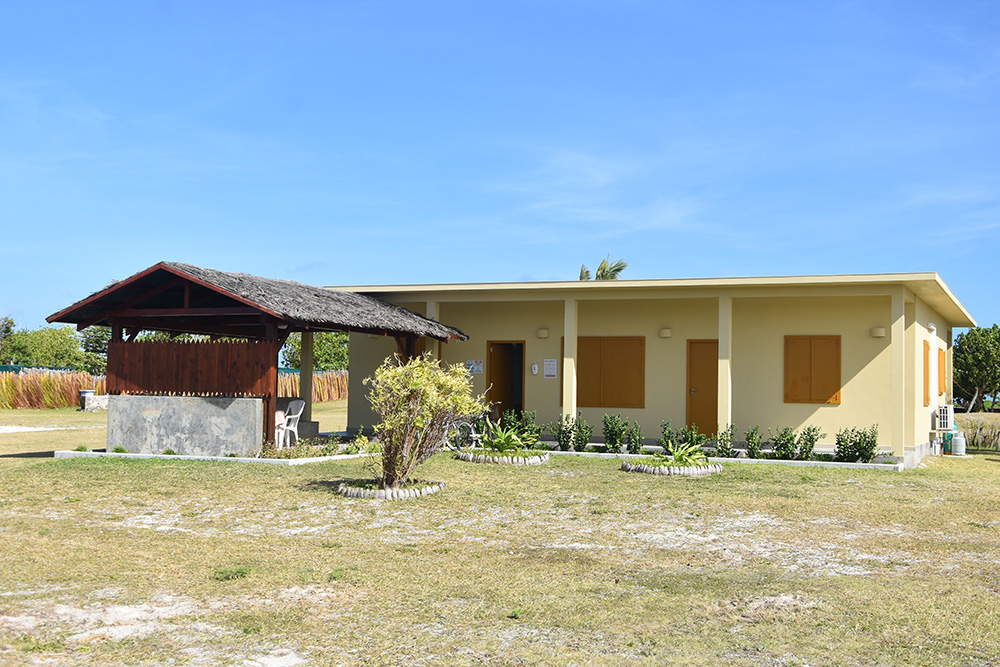
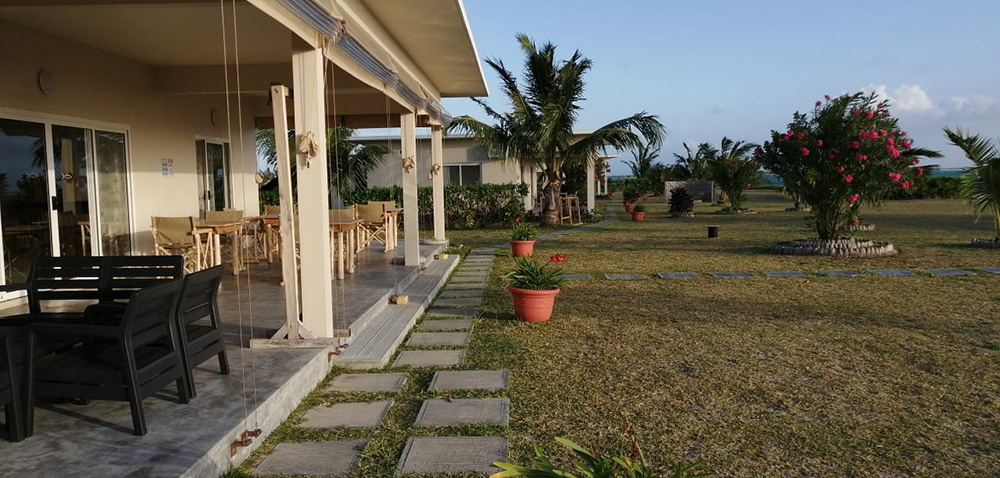
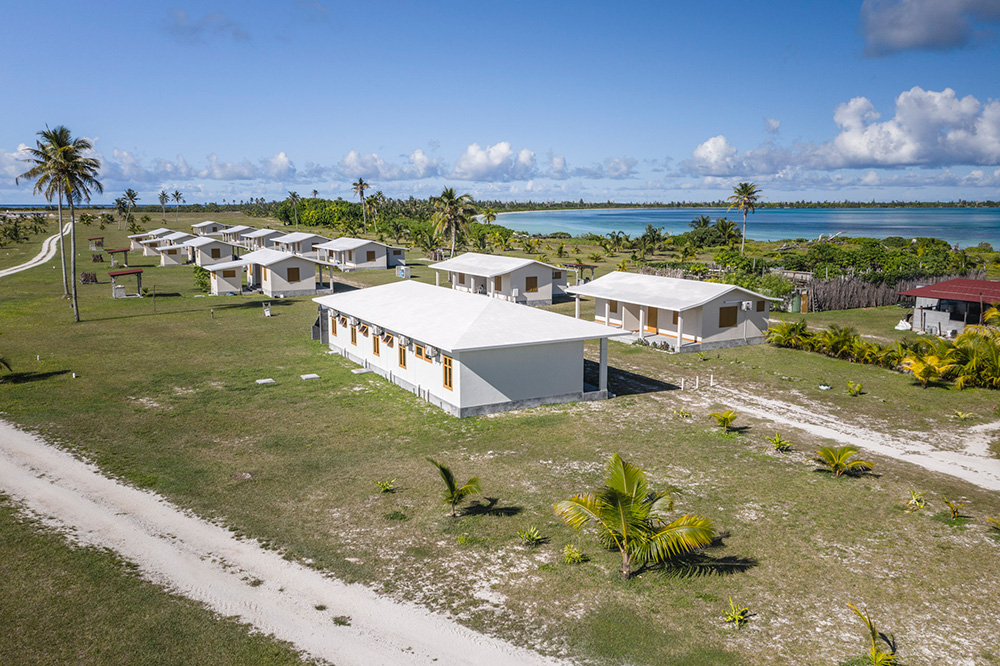
Commercial copra production has now ceased and tourism identified as a replacement source of income for the atoll. Fly-fishing is a major leisure activity. Visitors were accommodated at an IDC Guest House until 2016, when Cyclone Fantala destroyed facilities.
The activity continued using a live-aboard boat for accommodation while new facilities were constructed. Following extensive reconstruction work, IDC welcomed its first group of clients to the guesthouse in October 2017.
The activity continued using a live-aboard boat for accommodation while new facilities were constructed. Following extensive reconstruction work, IDC welcomed its first group of clients to the guesthouse in October 2017.
Explore the Beauty of the Islands
Gallery