Marie Louise

about the island
Overview
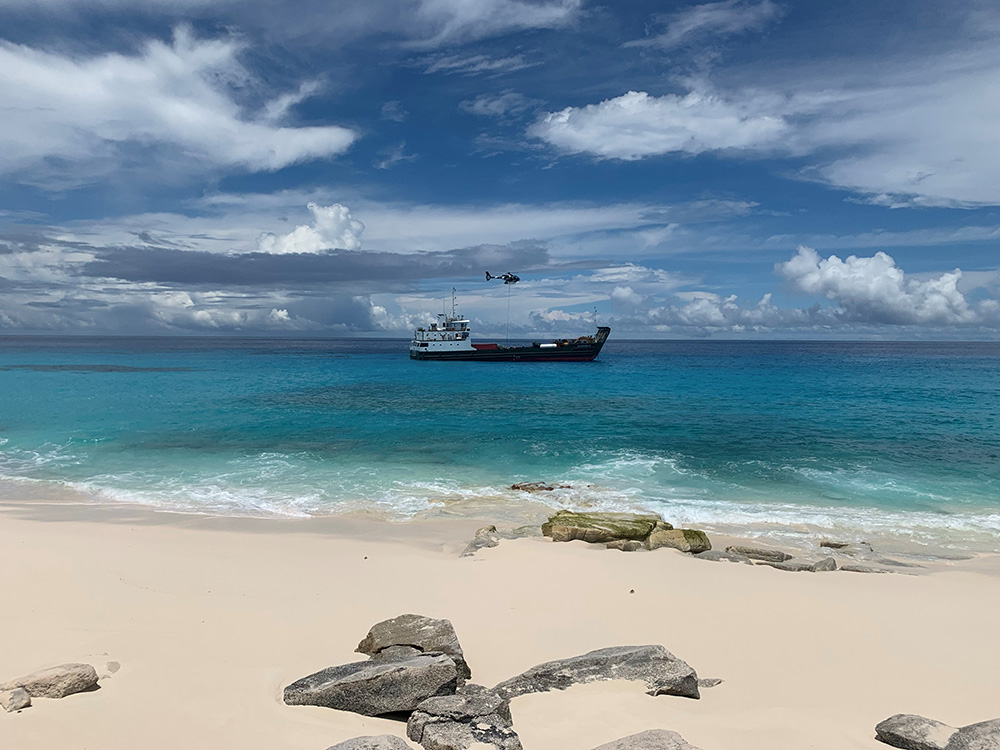
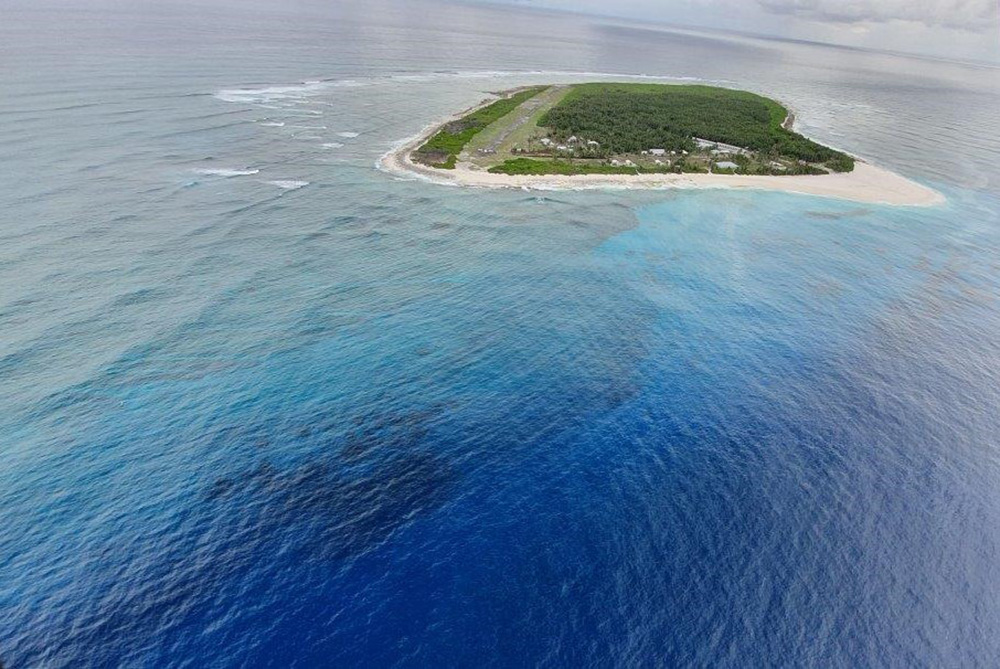
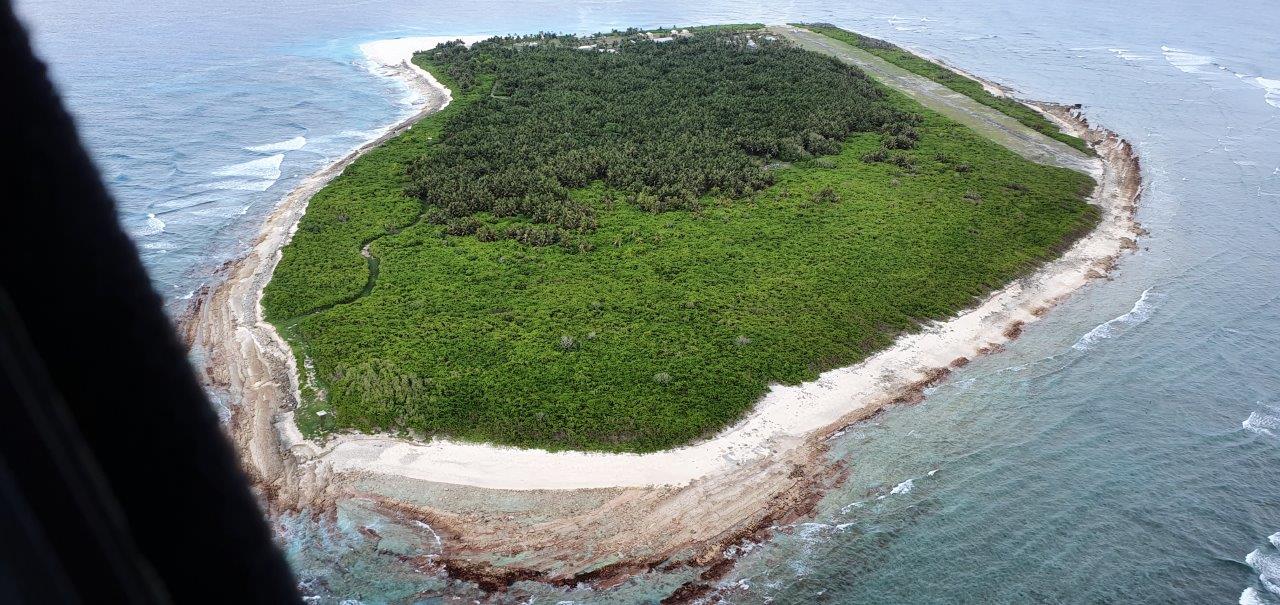
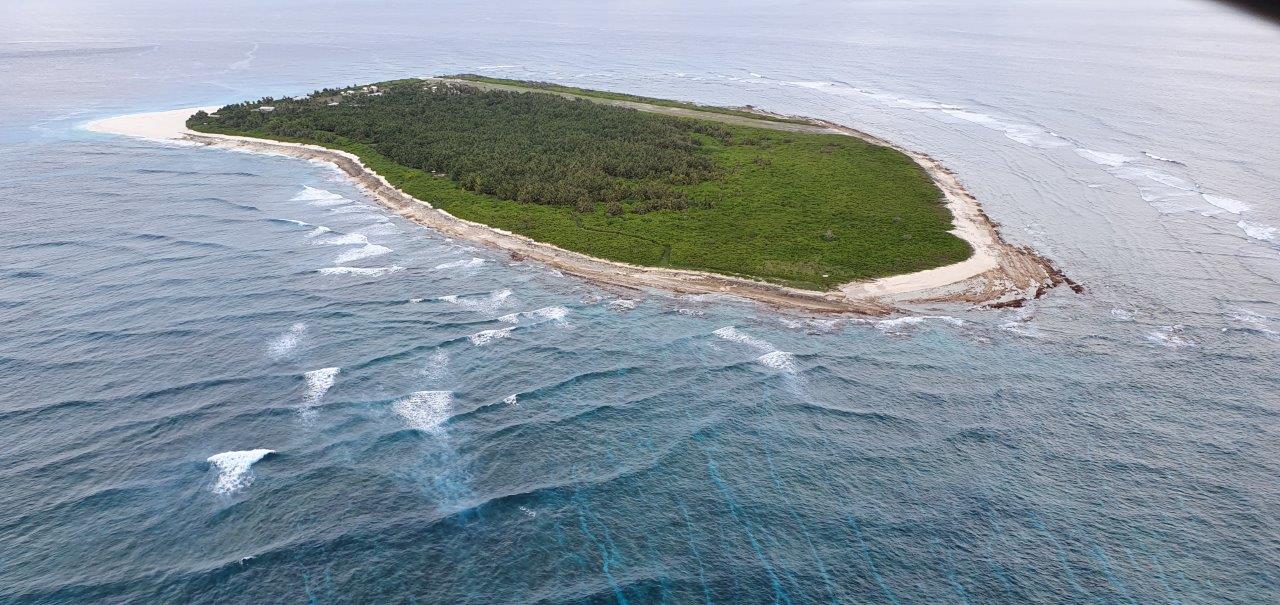
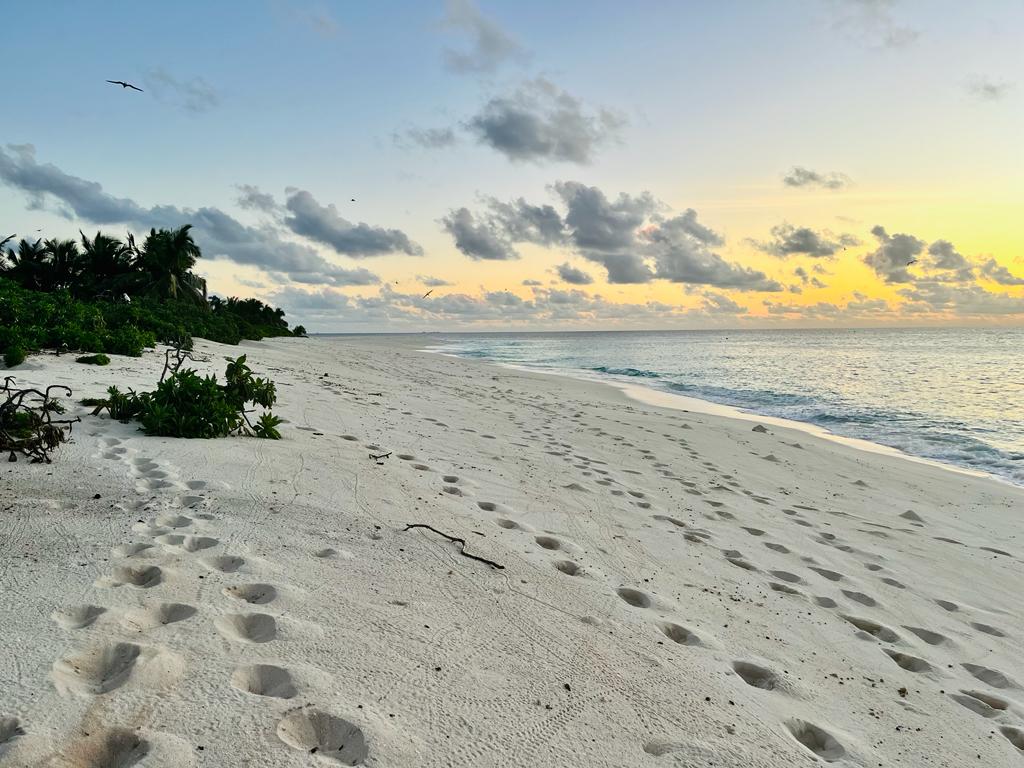
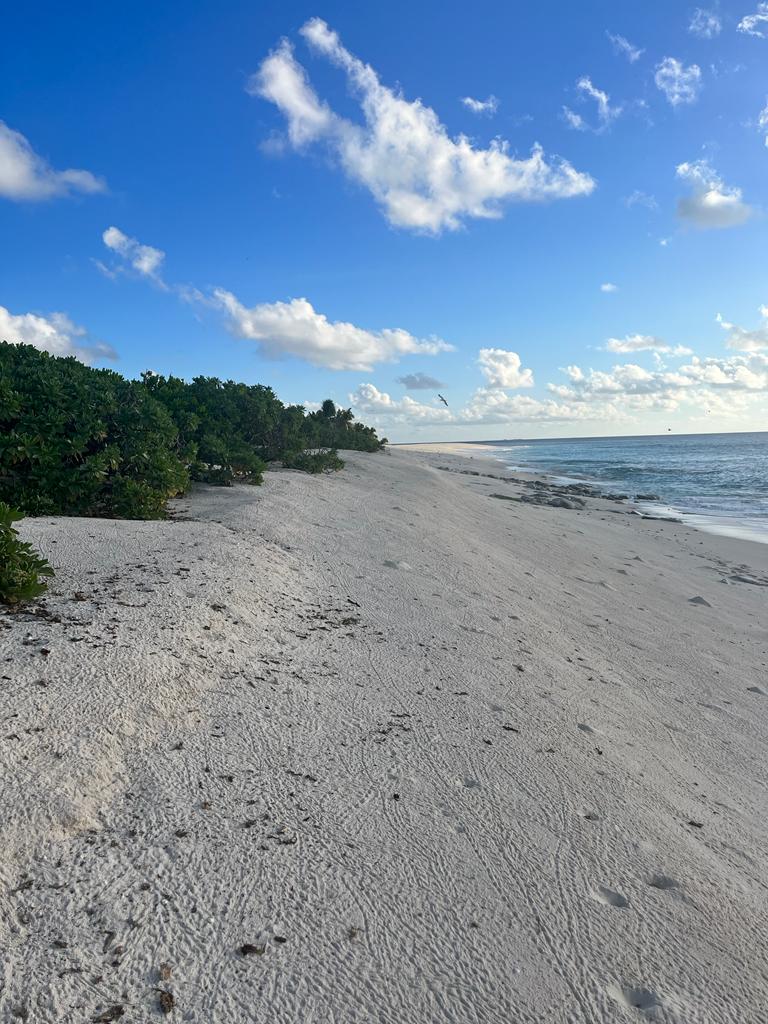
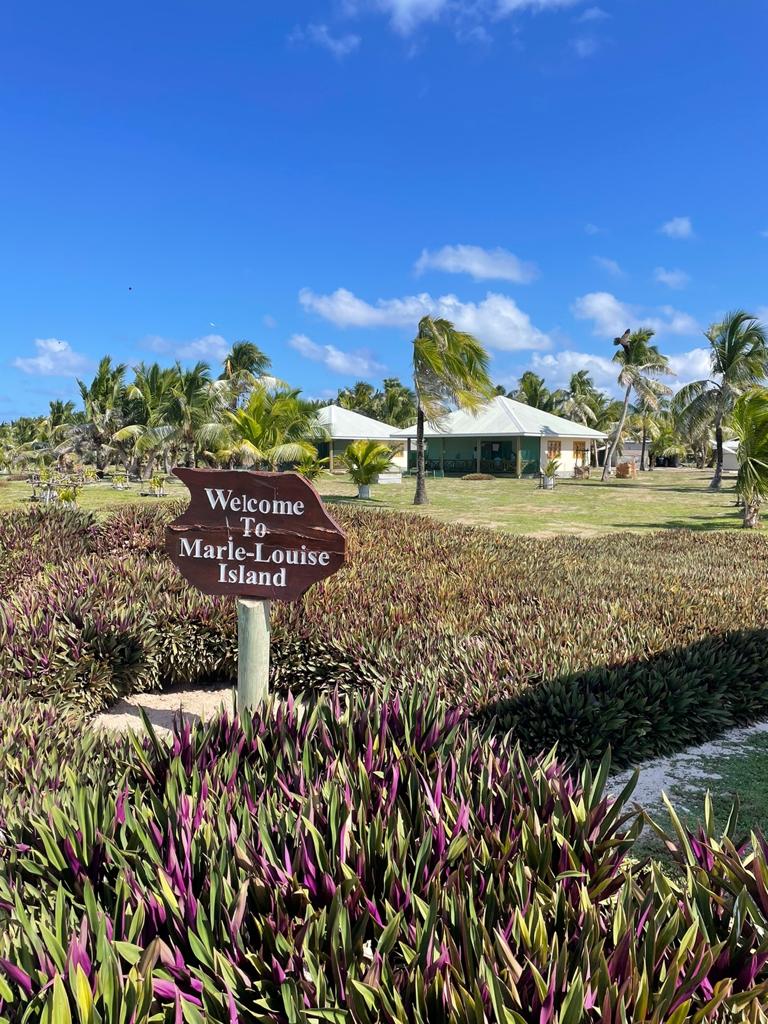
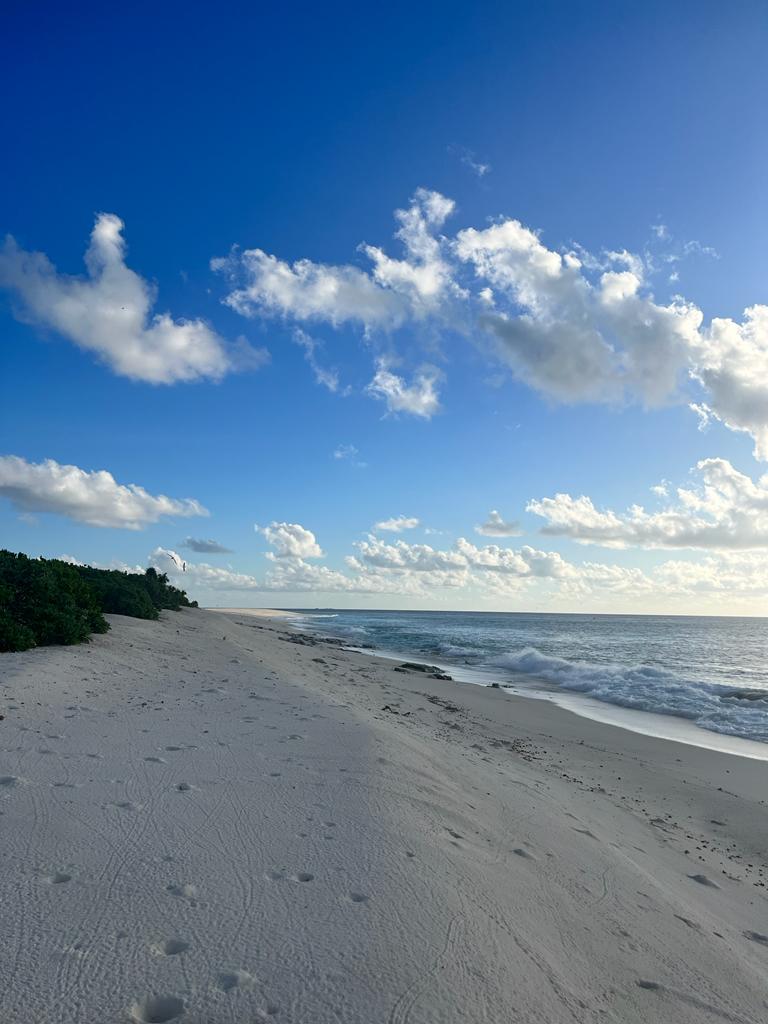
Marie-Louise lies 310 km southwest of Victoria and measures 52.5 hectares. It is oval-shaped, about 1 km by 0.5 km. It has a similar structure to Desnoeufs but hidden by vegetation and the airstrip.
The island name was given by the Chevalier du Roslan in 1771, for unknown reasons (Wikipedia claims Marie-Louise was the name of du Roslan’s ship but this is incorrect; it was actually Heure du Berger.)
The island name was given by the Chevalier du Roslan in 1771, for unknown reasons (Wikipedia claims Marie-Louise was the name of du Roslan’s ship but this is incorrect; it was actually Heure du Berger.)
More about the Island
History
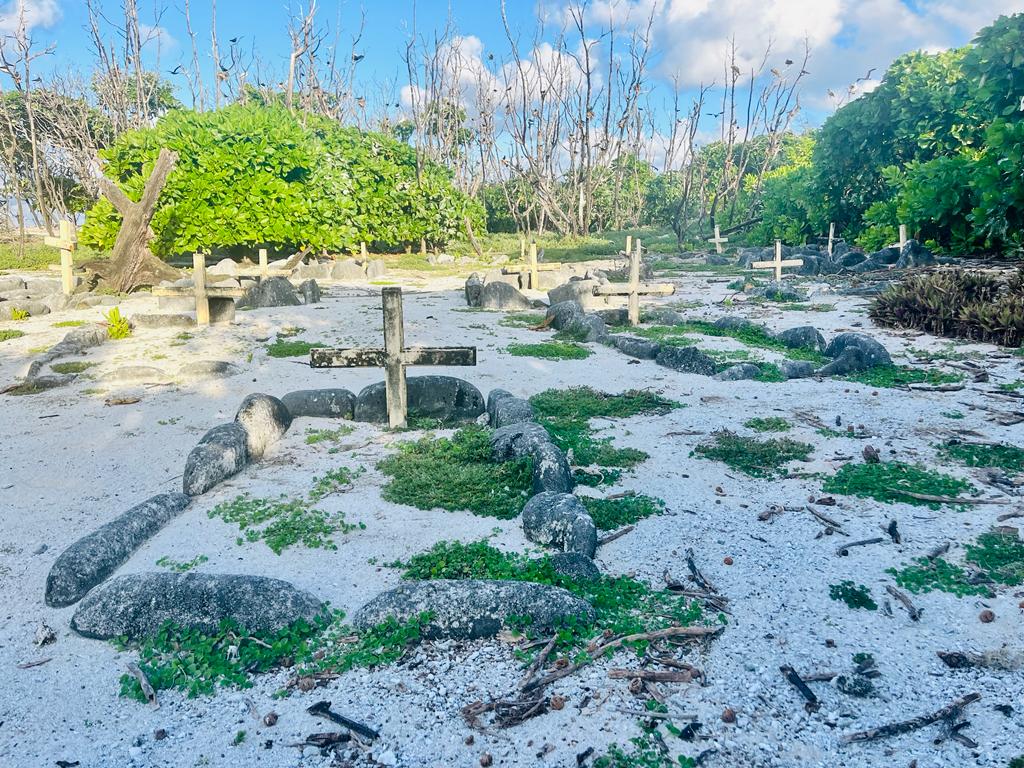
There is an account from 1846 that describes the islands of Marie-Louise and Desnoeufs in detail.
It mentions that while there is anchorage available in certain locations amidst these islands, the use of a chain cable is necessary due to the conditions. The account also notes the presence of large seals that frequent these islands. However, due to the lack of fresh water—unless one digs twelve feet deep—these islands are only suitable for temporary residence.
Historically, these islands have been used by Seychellois for purposes such as turtle-catching, planting cocoa and cotton, and fishing. These activities were made possible as the islands had been conceded to the Seychellois by the Government of Mauritius. Additionally, it is noted that Desnoeufs used to be a coconut plantation, and even today, coconut palms continue to dominate the island's vegetation, maintaining a significant aspect of its agricultural past.
This historical account highlights the challenges and uses of these islands, illustrating their role in the region's economic activities and natural history.
Historically, these islands have been used by Seychellois for purposes such as turtle-catching, planting cocoa and cotton, and fishing. These activities were made possible as the islands had been conceded to the Seychellois by the Government of Mauritius. Additionally, it is noted that Desnoeufs used to be a coconut plantation, and even today, coconut palms continue to dominate the island's vegetation, maintaining a significant aspect of its agricultural past.
This historical account highlights the challenges and uses of these islands, illustrating their role in the region's economic activities and natural history.
Preserving MARIE-LOUISE's Unique Biodiversity
Conservation
BirdLife International recognises the island as an important Bird Area.
Marie-Louise is the only populated coral island of the Amirantes group with large numbers of breeding seabirds, including the largest population in the outer islands for Lesser Noddy and Fairy Tern.
Brown Noddy and Cattle egret are also common. Wedge-tailed Shearwater breed near the southern tip, Pointe Fouquet.
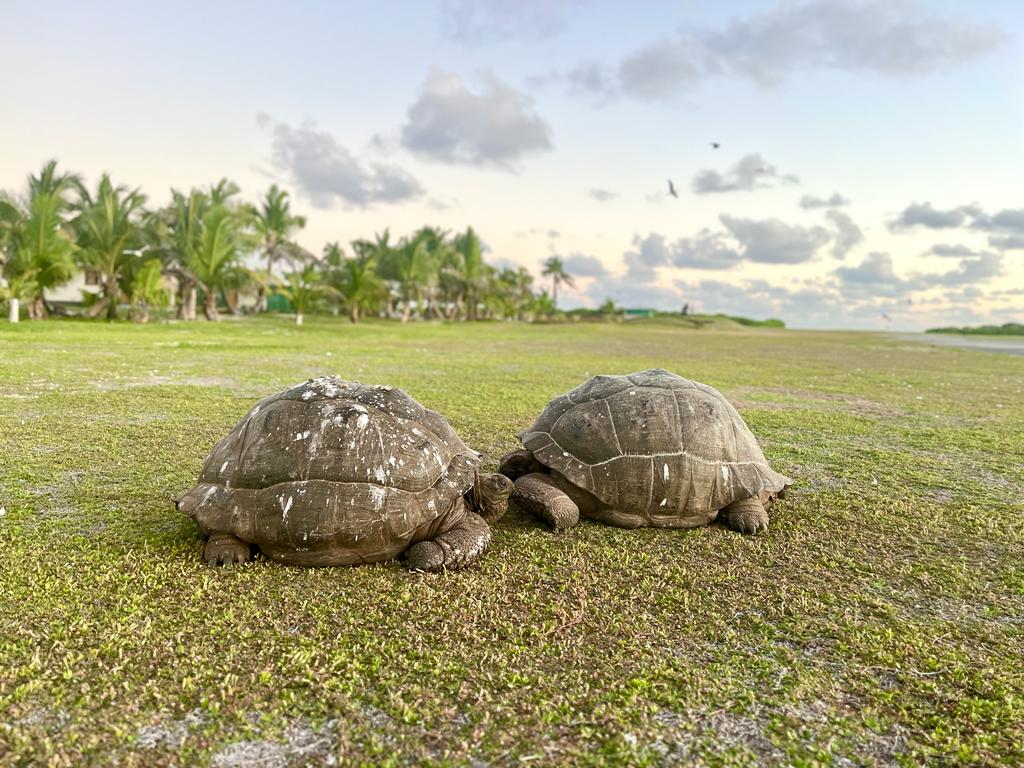
The island also has the only breeding population of Red-footed Booby in the Amirantes, which colonised (or more likely re-colonised) around 1997. It hosts nesting hawksbills and green turtles.
Brown Noddy and Cattle egret are also common. Wedge-tailed Shearwater breed near the southern tip, Pointe Fouquet.
The island also has the only breeding population of Red-footed Booby in the Amirantes, which colonised (or more likely re-colonised) around 1997. It hosts nesting hawksbills and green turtles.
Nature conservation meets visitor experience
Economic Activities
The prison facilities on Marie-Louise Island, originally constructed in 2012 to accommodate convicted drug traffickers, were closed in September 2017. This marked the end of an era for the island's use as a penal facility. Despite this, the infrastructure left behind includes an airstrip, which allows IDC flights to travel from Mahé, ensuring the island remains accessible and well-connected.
Following the closure of the prison, a significant shift in the island's purpose took place. An agreement between the Island Development Company (IDC) and the Island Conservation Society (ICS) was signed, setting the stage for a new chapter in Marie-Louise's history. This agreement laid the foundation for transforming the island into a sanctuary for bird observation, leveraging its natural environment and resources to promote conservation and eco-tourism.
The transformation of Marie-Louise into a bird observation island highlights the commitment to preserving its unique ecosystems and providing a haven for various bird species, while also contributing to the broader goals of environmental sustainability and biodiversity conservation.
Following the closure of the prison, a significant shift in the island's purpose took place. An agreement between the Island Development Company (IDC) and the Island Conservation Society (ICS) was signed, setting the stage for a new chapter in Marie-Louise's history. This agreement laid the foundation for transforming the island into a sanctuary for bird observation, leveraging its natural environment and resources to promote conservation and eco-tourism.
The transformation of Marie-Louise into a bird observation island highlights the commitment to preserving its unique ecosystems and providing a haven for various bird species, while also contributing to the broader goals of environmental sustainability and biodiversity conservation.
Explore the Beauty of the Islands
Gallery