Coëtivy

About the Island
Overview
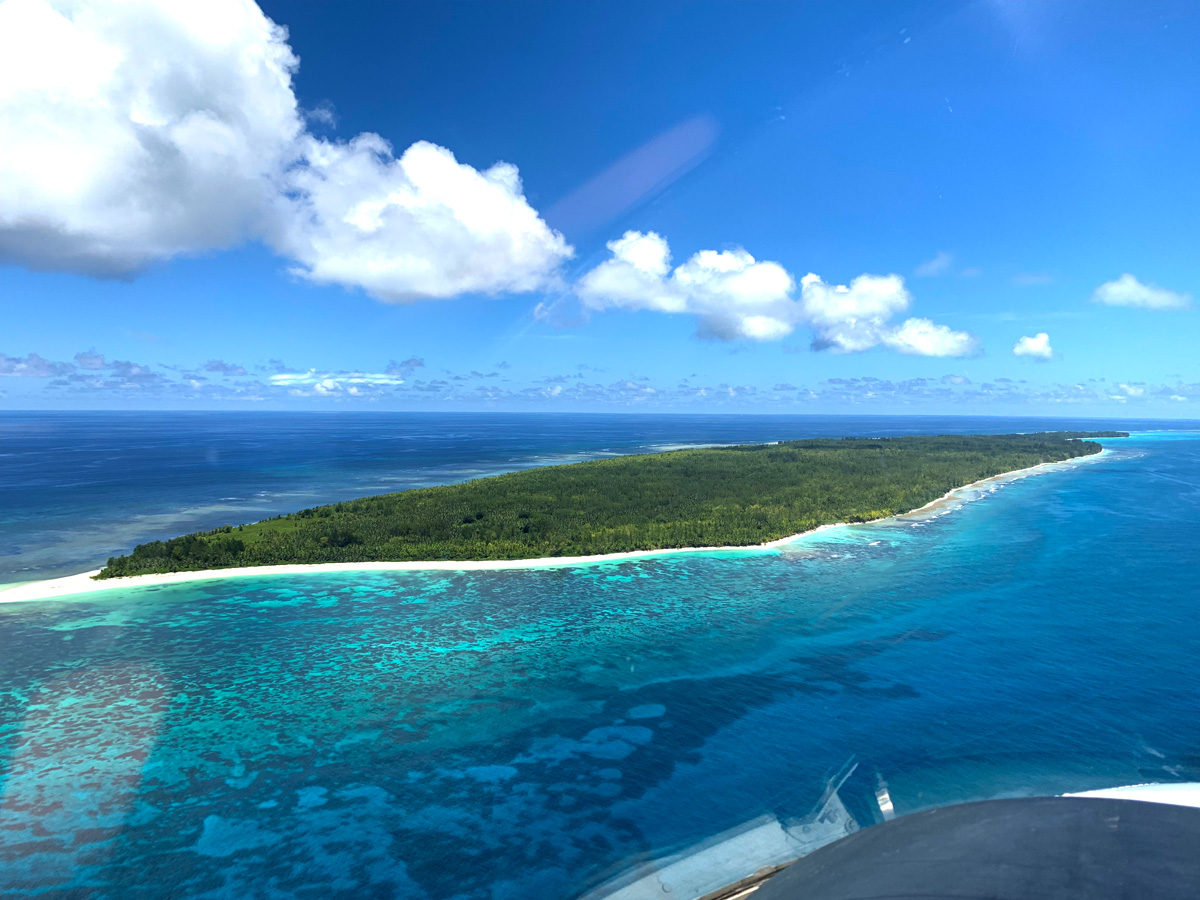
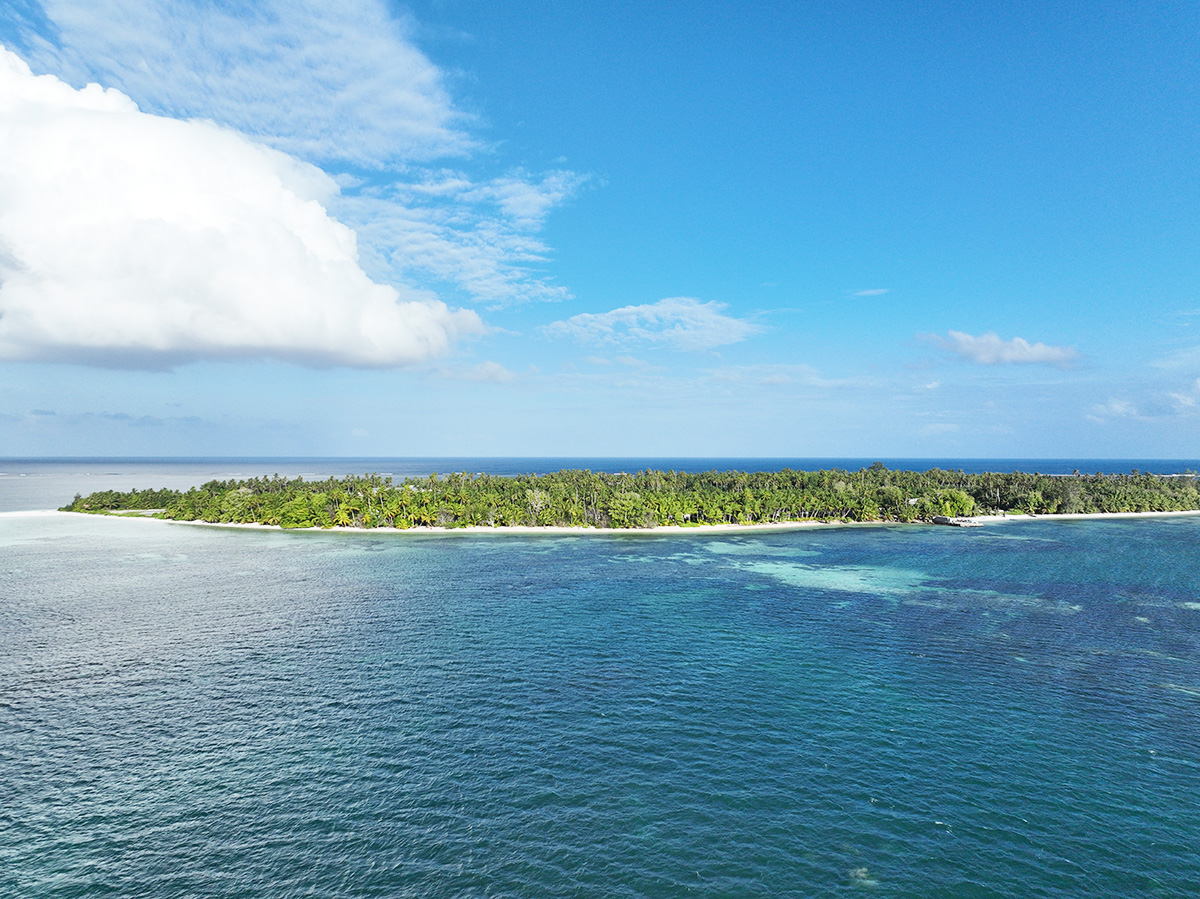
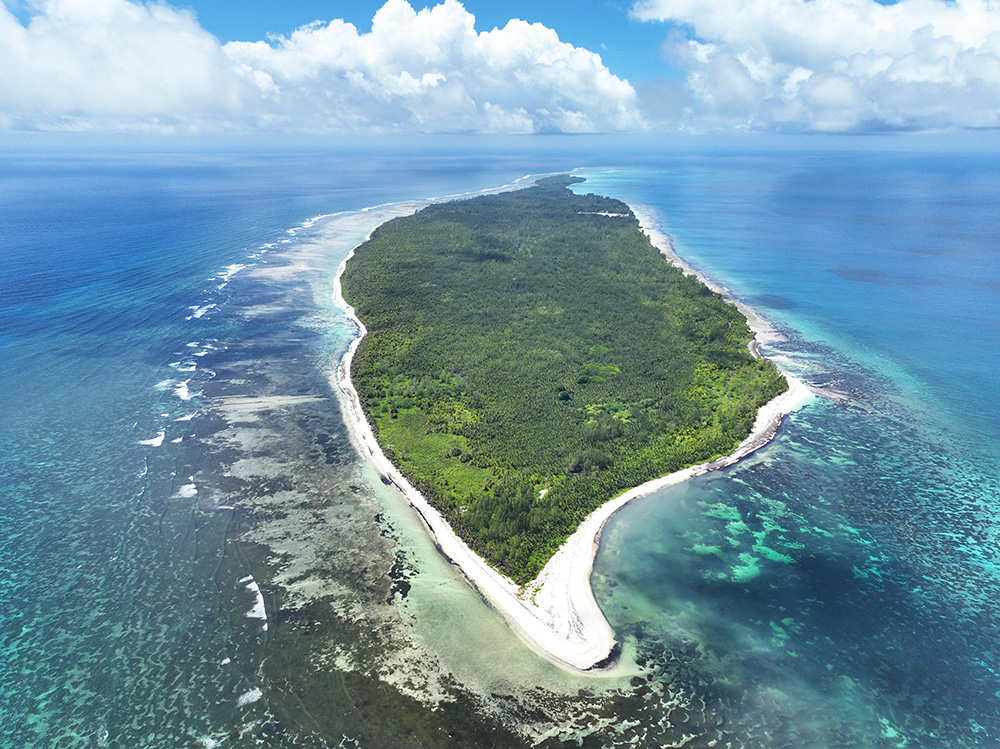
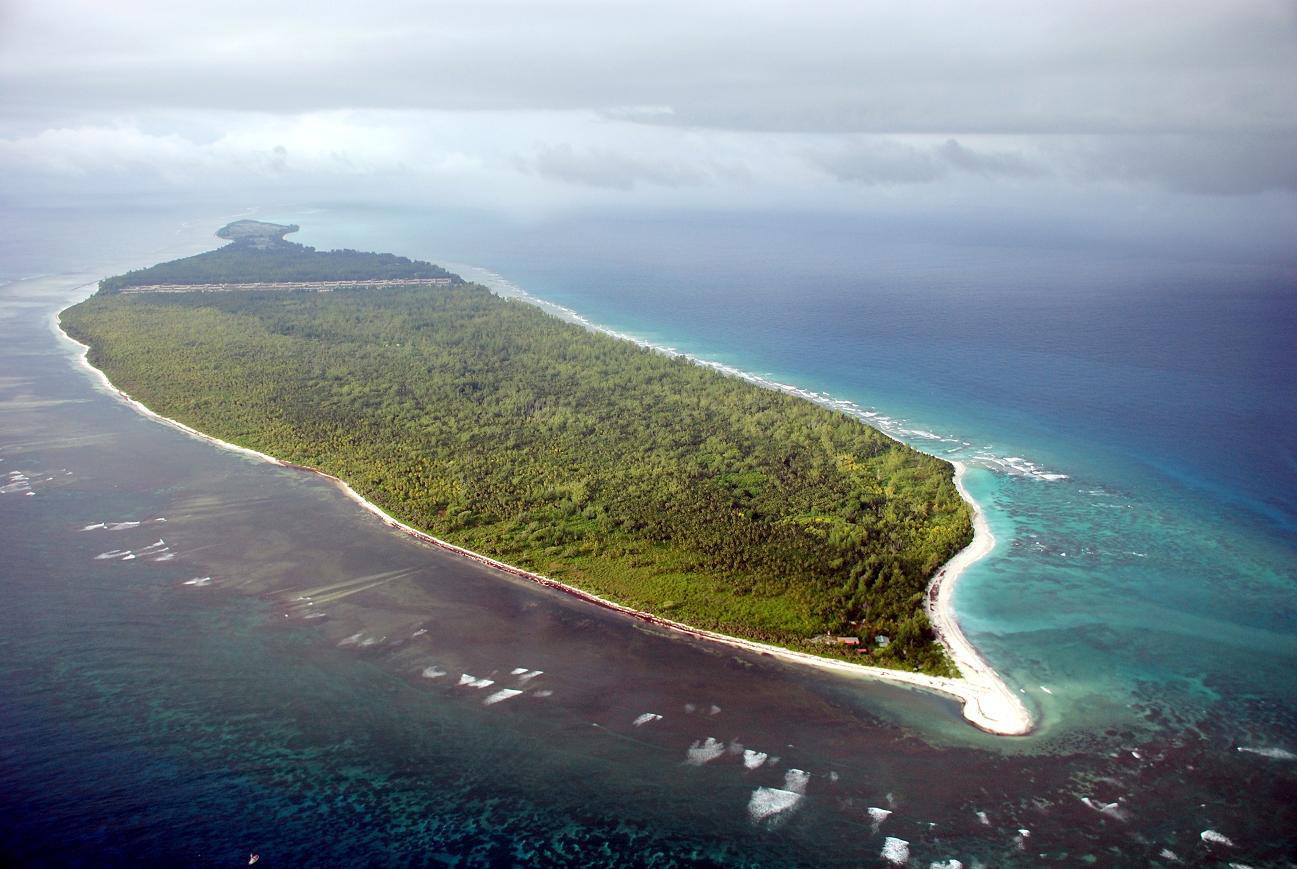
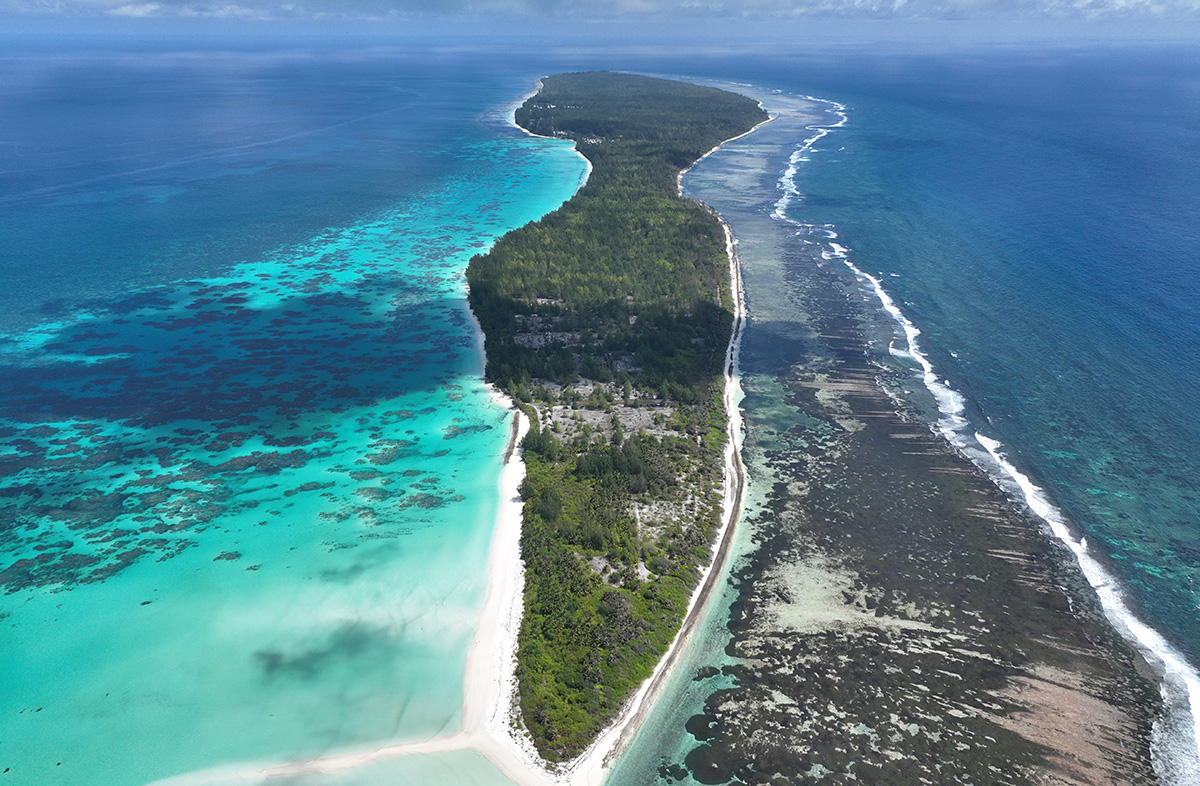
Coëtivy lies 290 km south of Victoria. Excluding the raised limestone islands of Aldabra and Assomption, Coëtivy is the largest coral island of Seychelles at 931 hectares. It is a long and narrow island, 9 km by 0.25 to 1.6 km stretching in a NNE to SSW direction.
It was formed on the east side of an almost rectangular shoal rising from a depth of 2.5 km and measuring about 180 sq km. The island was named after Chevalier de Coëtivy, commander of the Ile de France who sighted it on 3rd July 1771.
It was formed on the east side of an almost rectangular shoal rising from a depth of 2.5 km and measuring about 180 sq km. The island was named after Chevalier de Coëtivy, commander of the Ile de France who sighted it on 3rd July 1771.
Island Background
History
In 1846, the island employed 100 or more men growing maize and other crops; coconut oil was exported.
By 1929 Coëtivy was managed by a French group and exported timber, copra, salt fish and turtle meat to Mahé. It was a valuable property, producing over 200,000 coconuts a month. By the early 1960s over 100 acres of coconut palms had been planted. Until 1908, Coëtivy remained politically part of Mauritius. The island was managed by IDC in the 1980s when it became the focus for hybrid coconut trials in an effort to increase yields.
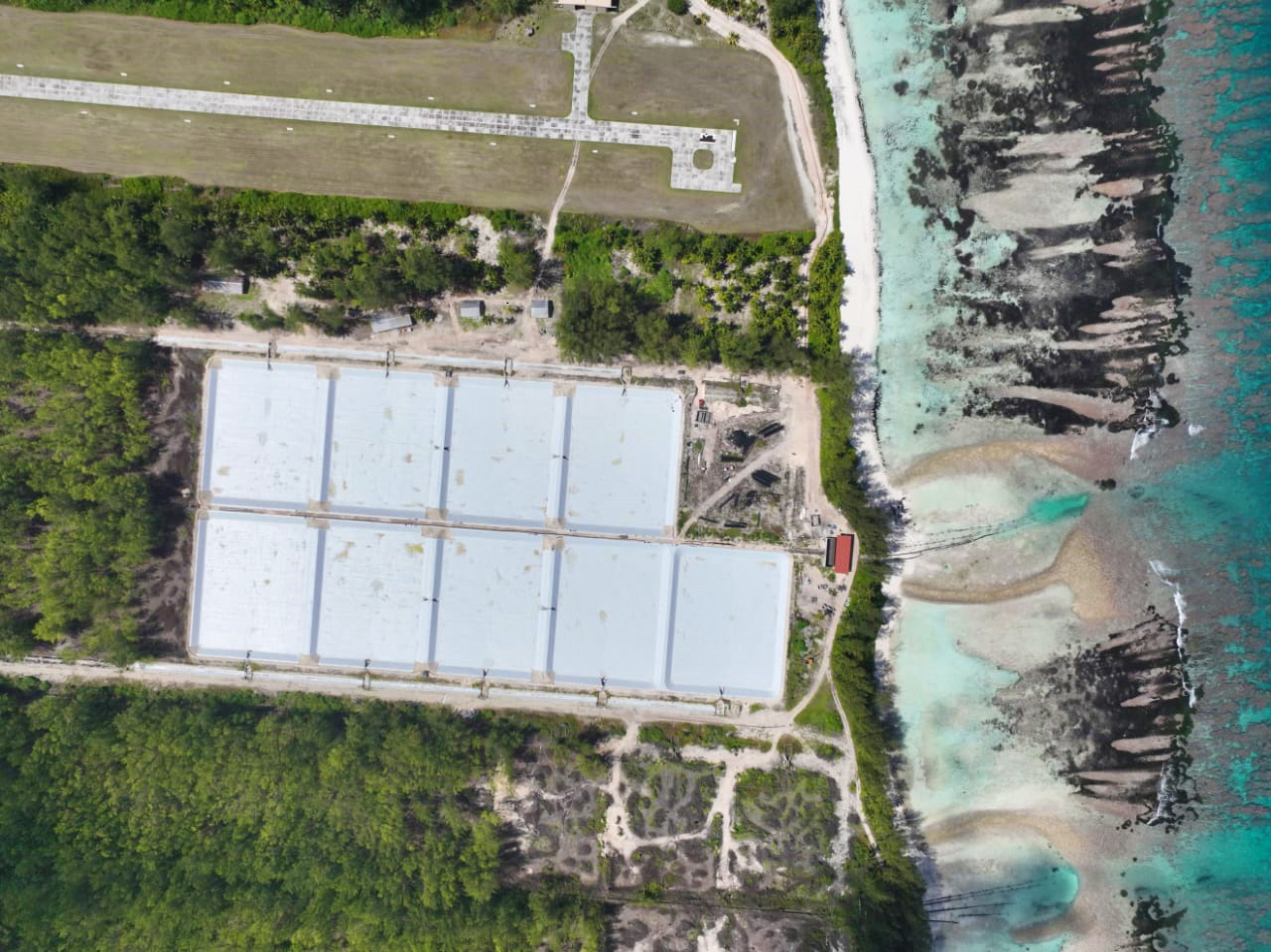
However, results were disappointing. In 1989, management of Coëtivy was transferred to the Seychelles Marketing Board to facilitate the development of a black tiger prawn farm, with broodstock imported from Madagascar and Mozambique. The prawn farming operation ceased in 2009 due to financial constraints.
In 2020, IDC secured the lease of Coëtivy from the Government of Seychelles, with the island subsequently earmarked for large-scale agricultural production. Building on its renewed vision for the island, IDC relaunched aquaculture operations in 2022, introducing the cultivation of white shrimp and marking a new chapter in Coëtivy’s agricultural and economic development.
However, results were disappointing. In 1989, management of Coëtivy was transferred to the Seychelles Marketing Board to facilitate the development of a black tiger prawn farm, with broodstock imported from Madagascar and Mozambique. The prawn farming operation ceased in 2009 due to financial constraints.
In 2020, IDC secured the lease of Coëtivy from the Government of Seychelles, with the island subsequently earmarked for large-scale agricultural production. Building on its renewed vision for the island, IDC relaunched aquaculture operations in 2022, introducing the cultivation of white shrimp and marking a new chapter in Coëtivy’s agricultural and economic development.
Preserving the Island's Unique Biodiversity
Conservation
Coëtivy is one of only two islands where introduced Grey Francolin still survive (the other being Desroches). This species was originally introduced to many islands as a game bird to provide sport for visiting dignitaries.
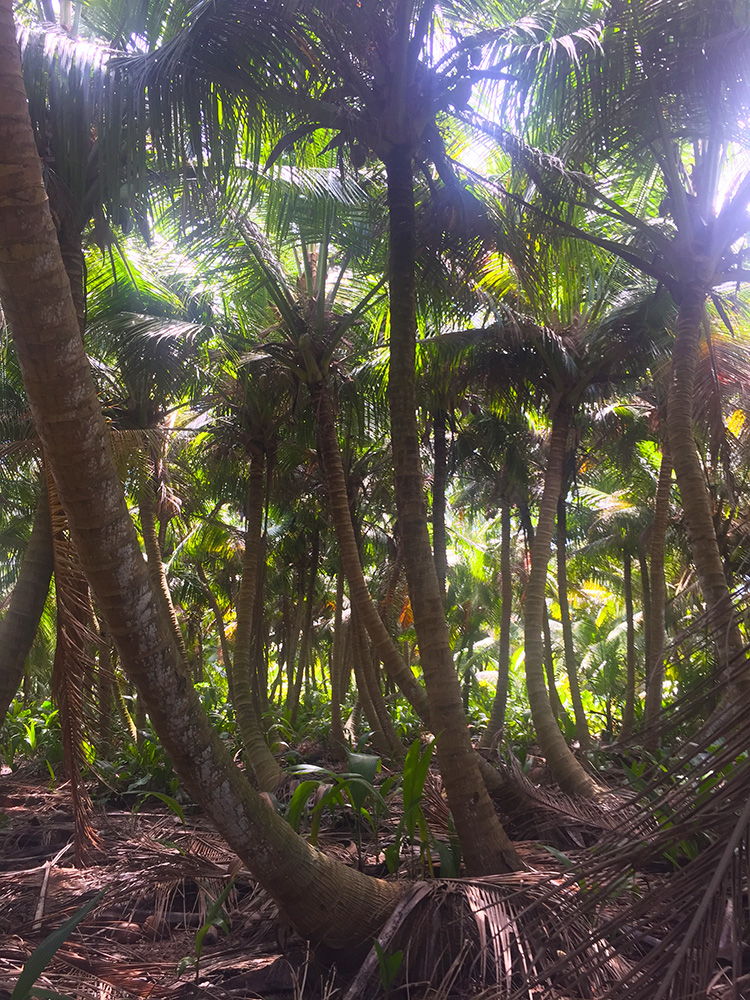
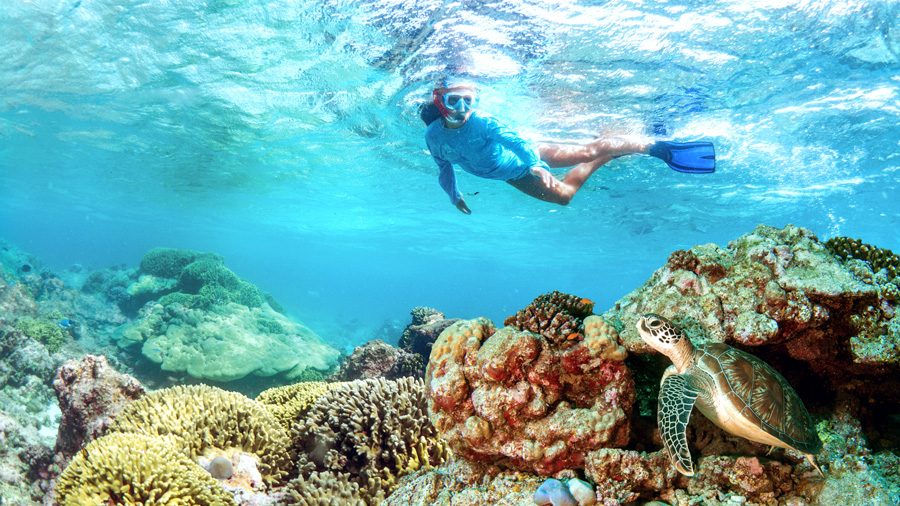
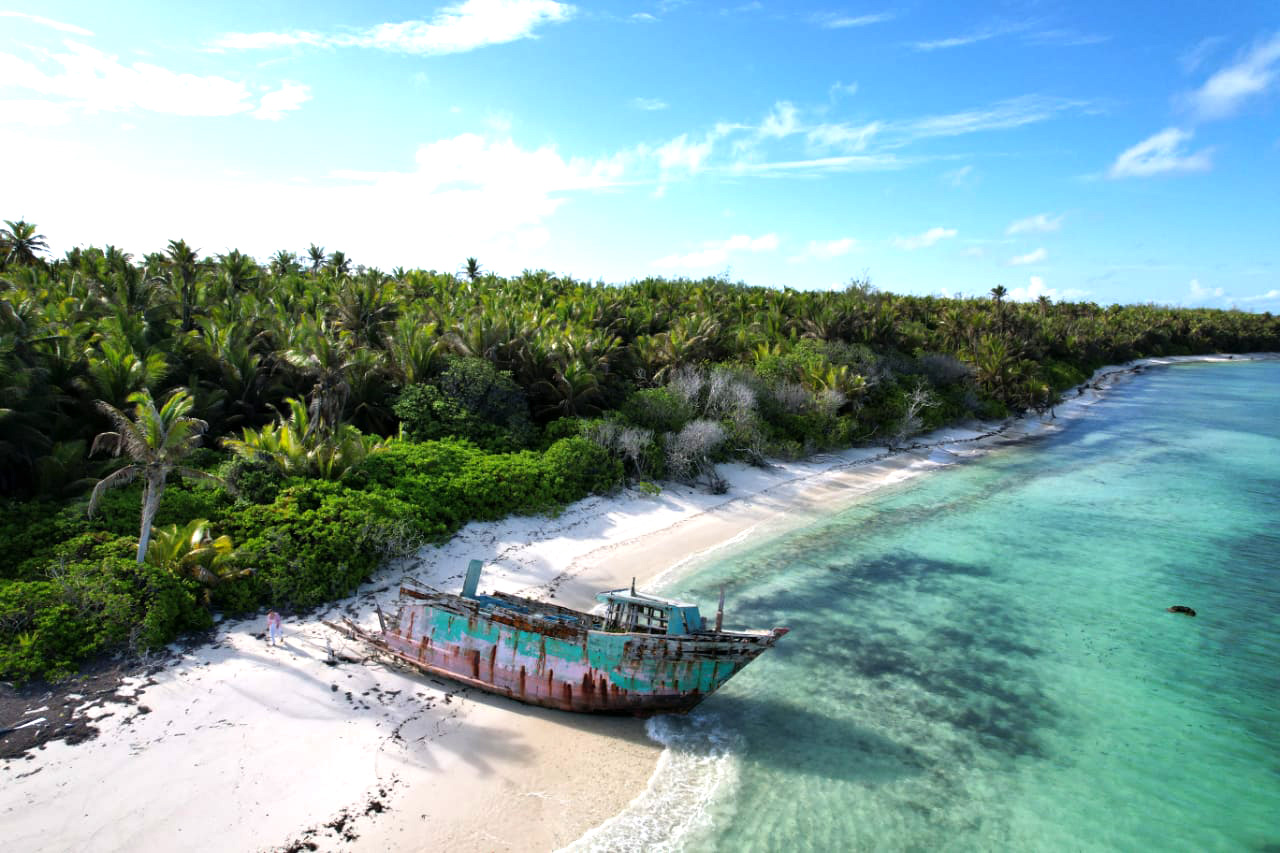
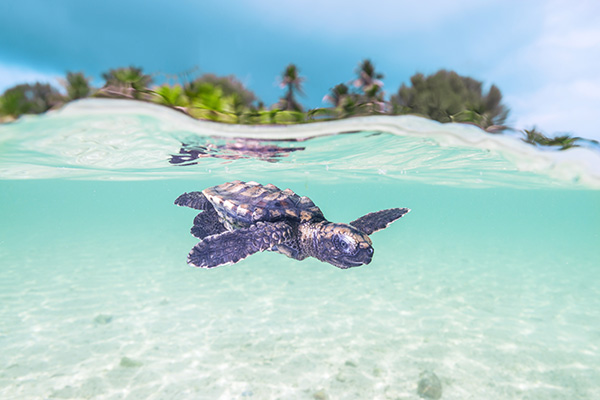
There is also a major frigatebird roost with up to 2,500 birds of two different species (Great Frigatebird and Lesser Frigatebird) estimated to be present. Most of the undeveloped area of the island is covered in coconuts. Coëtivy is an important nesting site for both hawksbills and green turtles.
The waters around Coëtivy are rich feeding grounds for pelagic seabirds including Round Island Petrel, a visitor from Mauritius and storm petrels from as far away as Antarctica, notably Wilson's Storm Petrel and Black-bellied Storm Petrel.
There is also a major frigatebird roost with up to 2,500 birds of two different species (Great Frigatebird and Lesser Frigatebird) estimated to be present. Most of the undeveloped area of the island is covered in coconuts. Coëtivy is an important nesting site for both hawksbills and green turtles.
The waters around Coëtivy are rich feeding grounds for pelagic seabirds including Round Island Petrel, a visitor from Mauritius and storm petrels from as far away as Antarctica, notably Wilson's Storm Petrel and Black-bellied Storm Petrel.
Coëtivy's Agricultural Revival
Economic Activities
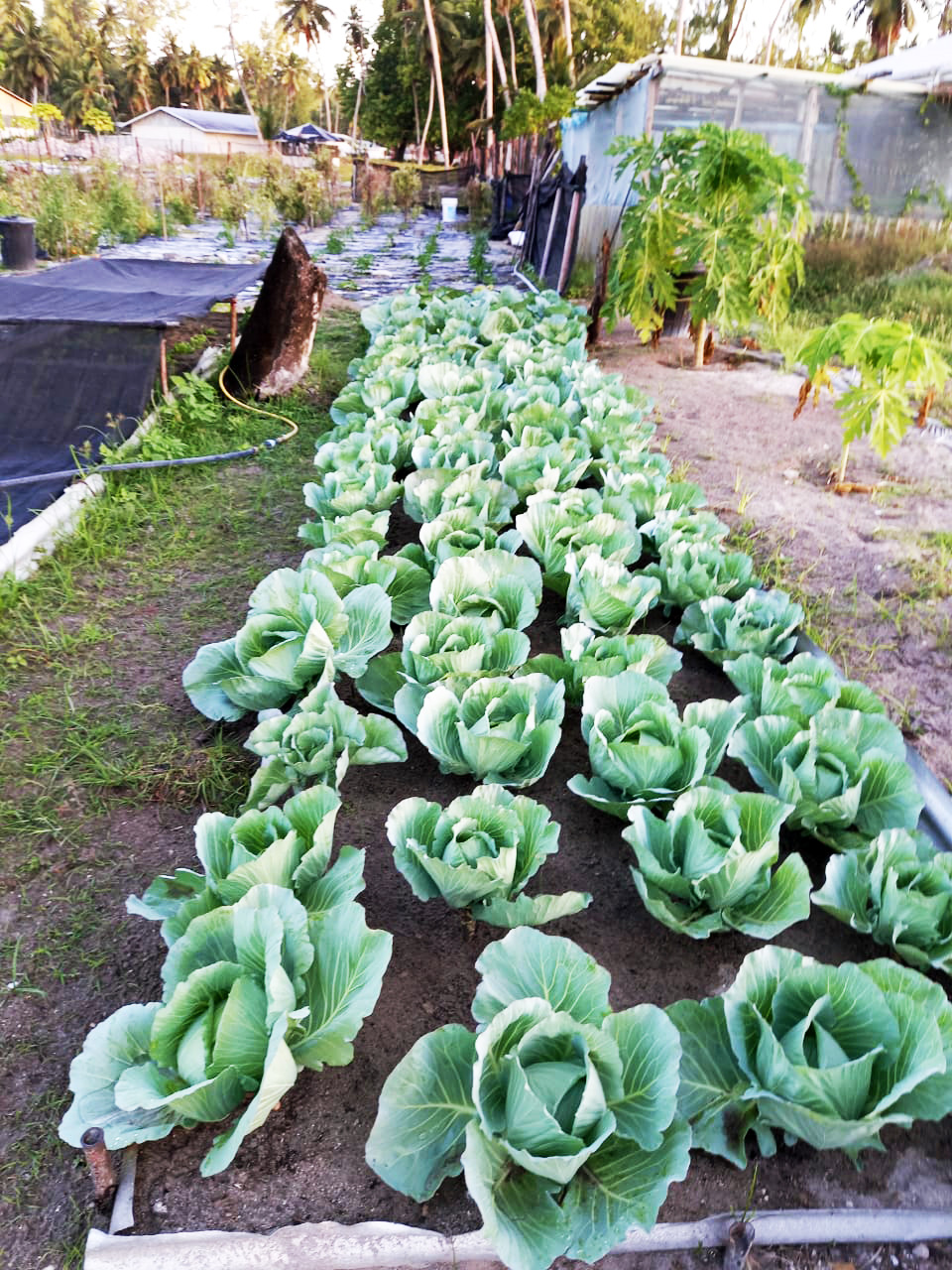
In 2020, following the closure of the prison in 2019, the Islands Development Company (IDC) signed a new lease agreement with the Government for Coëtivy. The island is known for its diverse range of economic activities. Coëtivy produces charcoal, agricultural products and rears animals. Given its expansive land area and close proximity to Mahé, Coëtivy holds significant potential for large-scale agricultural production.
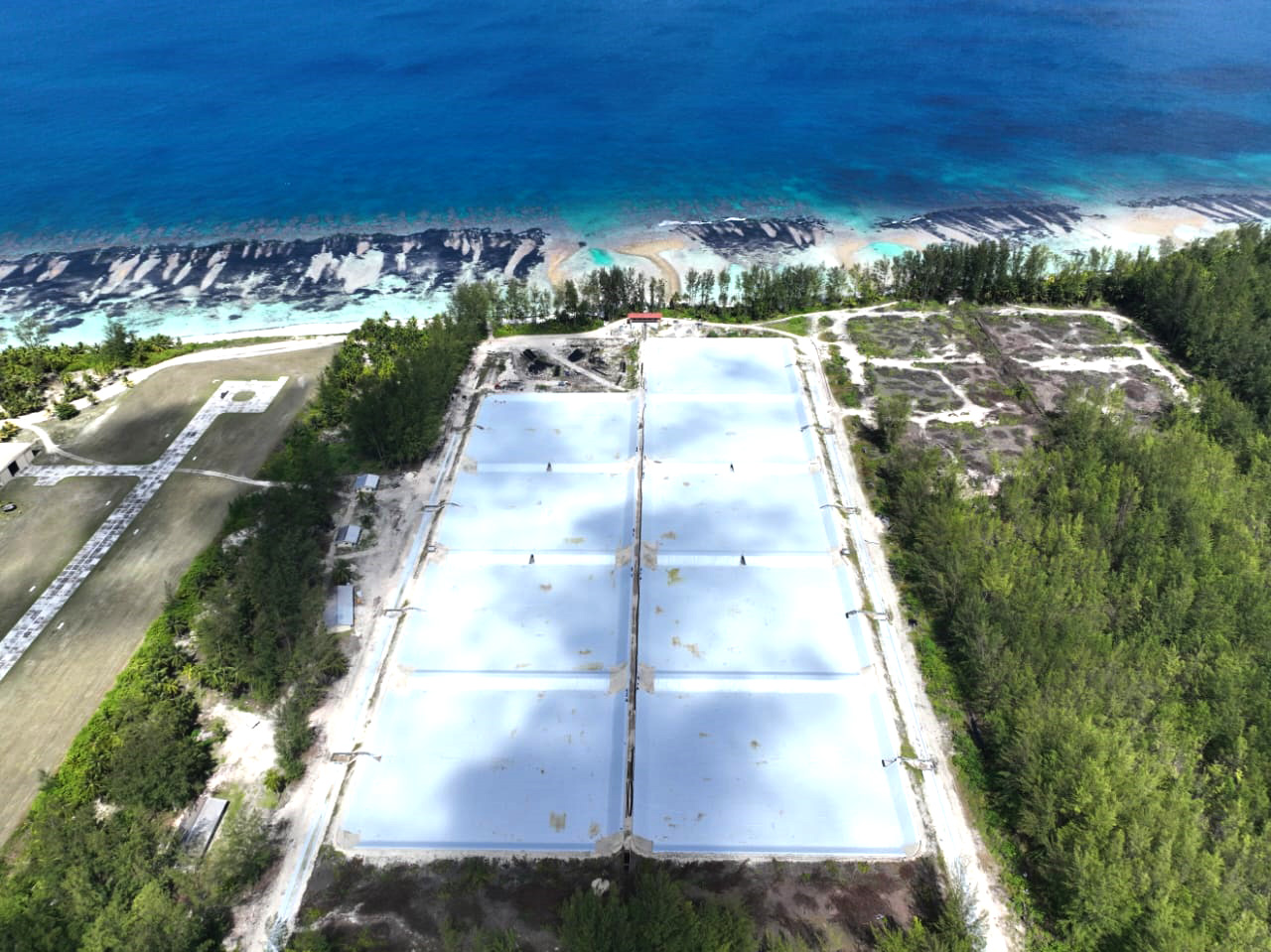
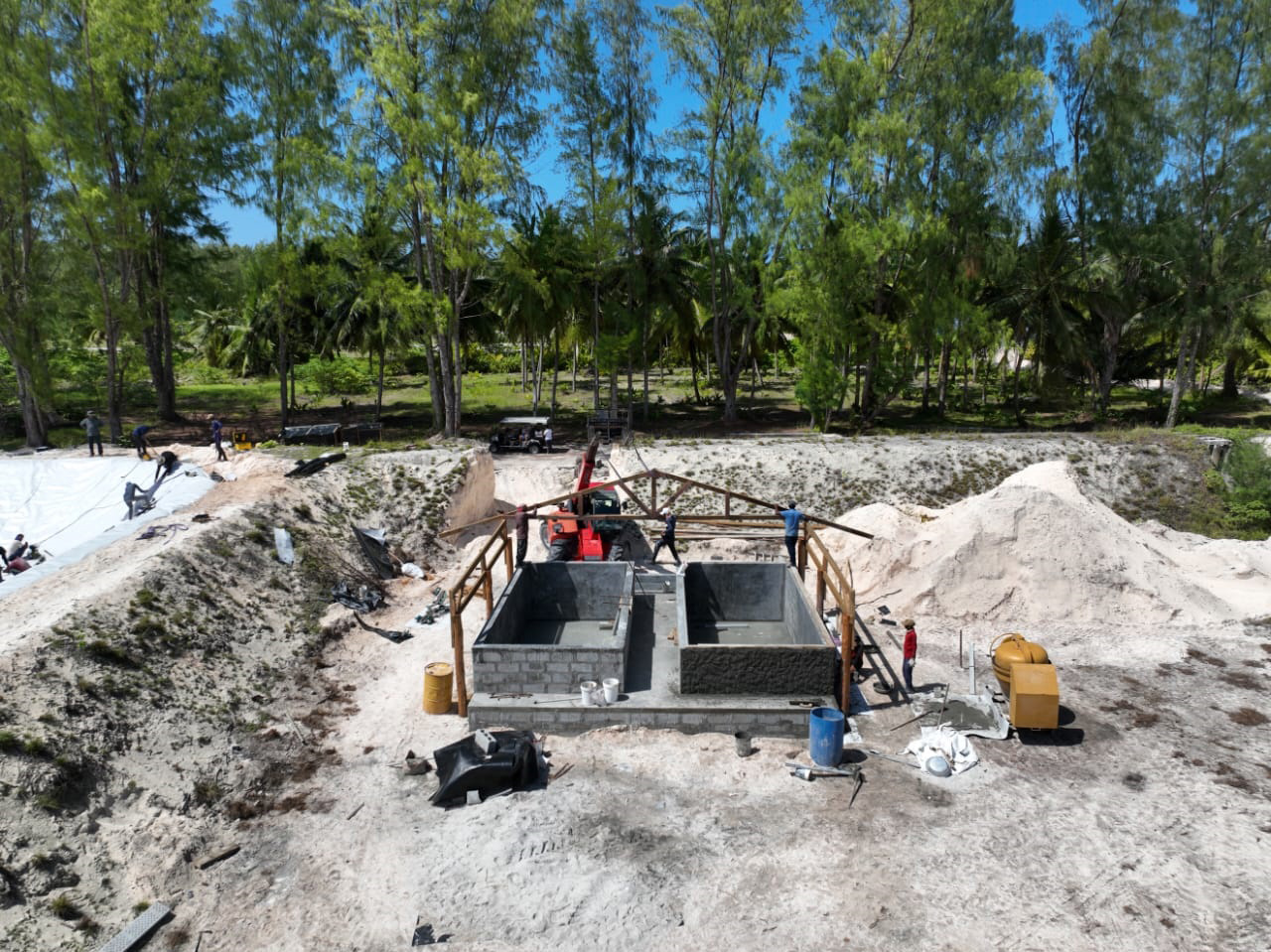
Additionally, IDC has resumed shrimp farming operations on the island, with the goal of supplying the local market with fresh, sustainably sourced seafood. This initiative reduces the country’s reliance on imports, promoting greater self-sufficiency and bolstering the local economy.
Coëtivy remains one of the few islands in the region that continues to engage in copra production, maintaining its historical significance and contributing to the local economy. These developments highlight IDC's commitment to expanding and diversifying the island's economic activities while ensuring sustainable practices.
Additionally, IDC has resumed shrimp farming operations on the island, with the goal of supplying the local market with fresh, sustainably sourced seafood. This initiative reduces the country’s reliance on imports, promoting greater self-sufficiency and bolstering the local economy.
Coëtivy remains one of the few islands in the region that continues to engage in copra production, maintaining its historical significance and contributing to the local economy. These developments highlight IDC's commitment to expanding and diversifying the island's economic activities while ensuring sustainable practices.
Explore the Beauty of the Islands
Gallery