Desnoeufs

About the Island
Overview
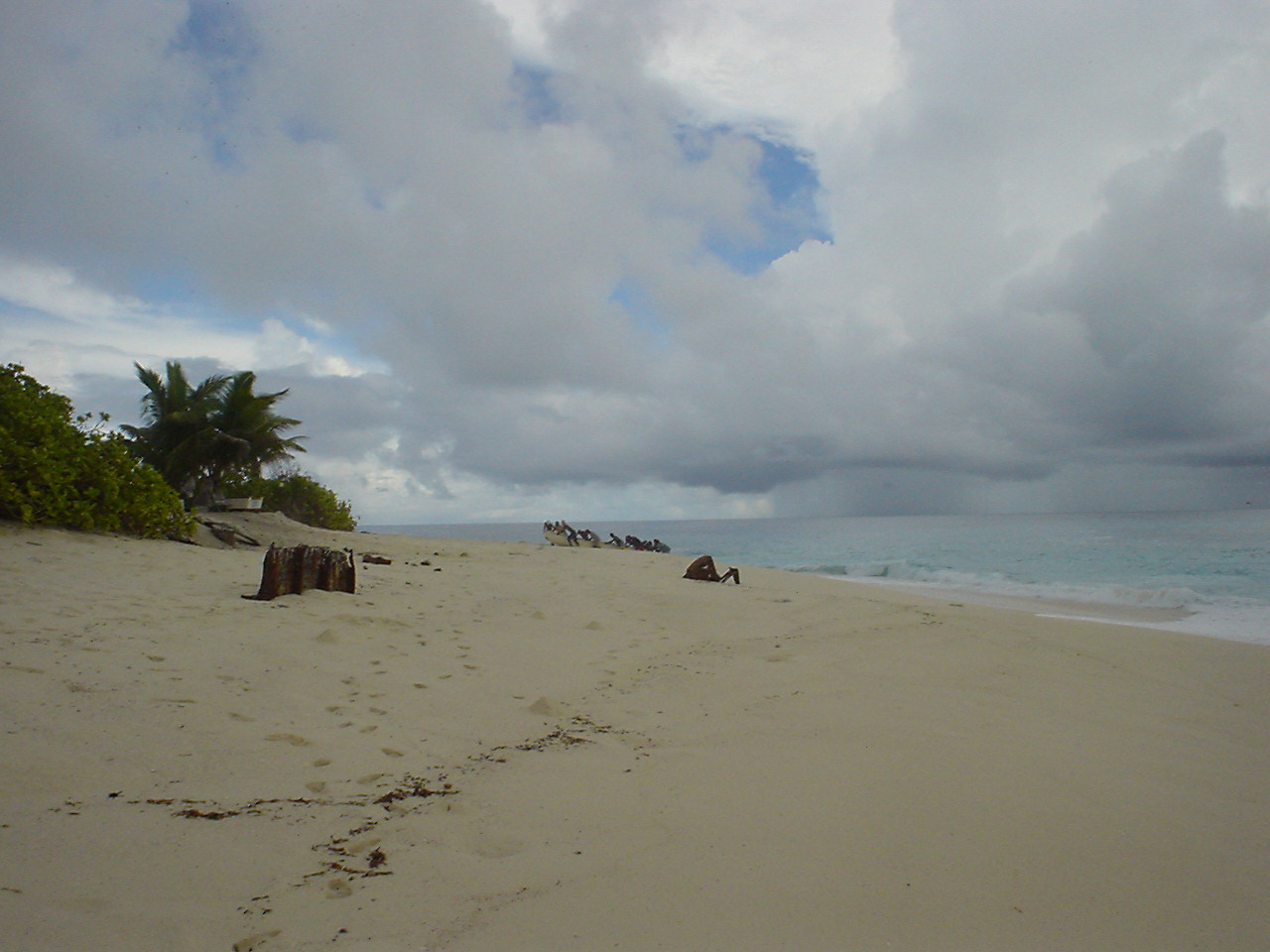
Desnoeufs is located 325 kilometers southwest of Victoria and 12 kilometers southwest of Marie-Louise, its nearest neighboring island. Covering an area of 35 hectares, Desnoeufs features a unique geological formation, with a sandstone core that extends outward in concentric circles, a stunning pattern clearly visible from an aerial view.
The island's name, Desnoeufs, was bestowed by the Chevalier du Roslan and translates to "one of the nine." This name is believed to refer to the nine main islands or atolls that form part of the Amirantes group, highlighting the island's inclusion in this significant archipelago.
The island's name, Desnoeufs, was bestowed by the Chevalier du Roslan and translates to "one of the nine." This name is believed to refer to the nine main islands or atolls that form part of the Amirantes group, highlighting the island's inclusion in this significant archipelago.
More about the Island
History
Desnoeufs has never had a permanent human population because landing is very difficult due to heavy swells even on calm days.
Preserving the Island's Unique Biodiversity
Conservation
Conservation
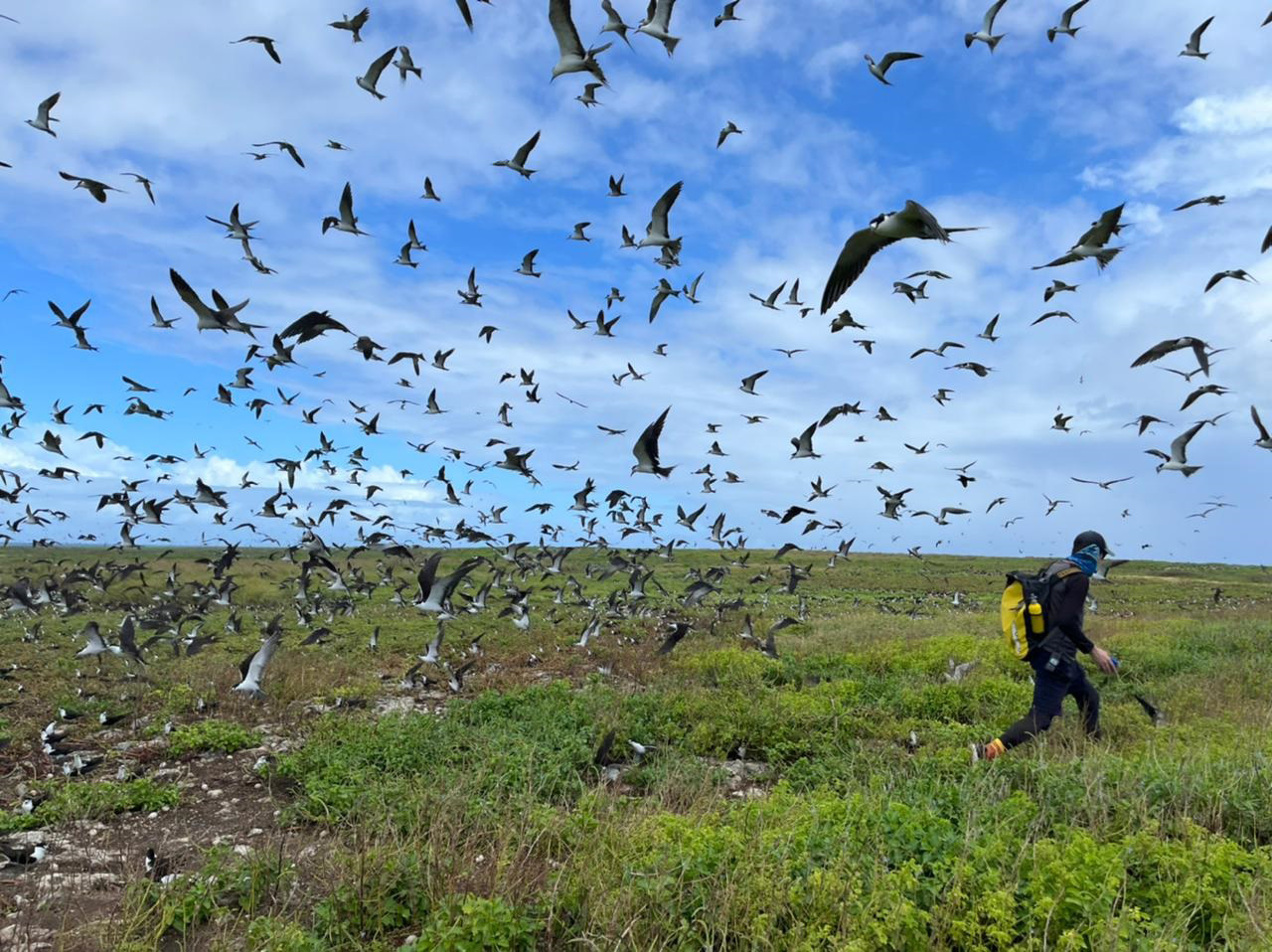
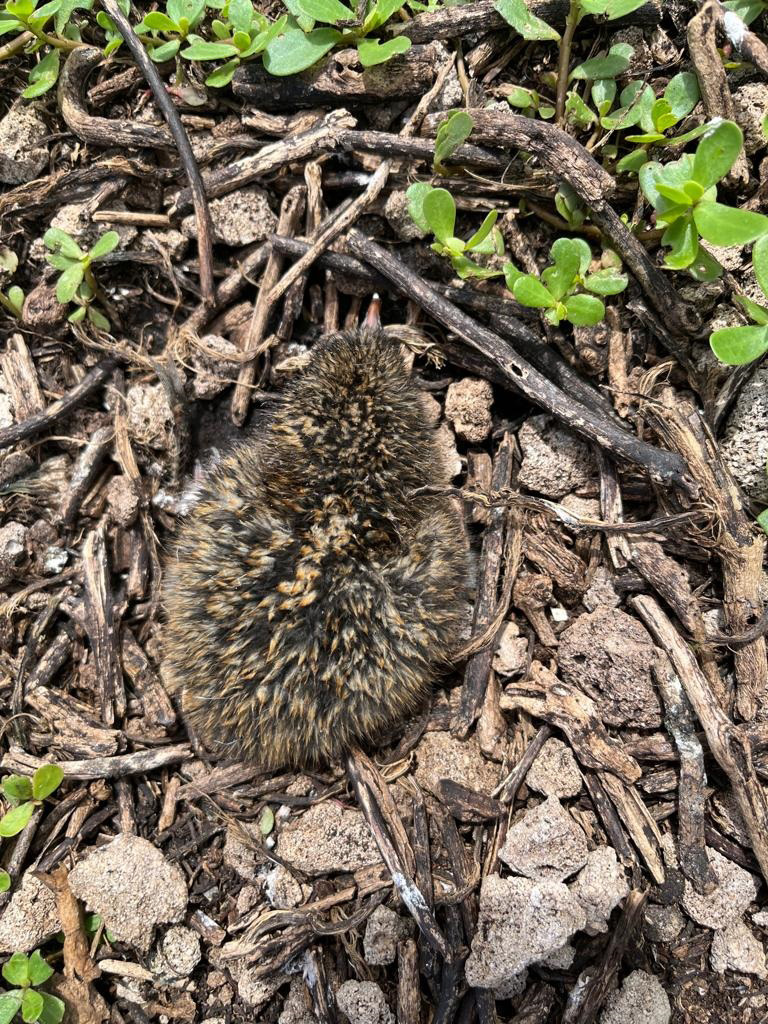
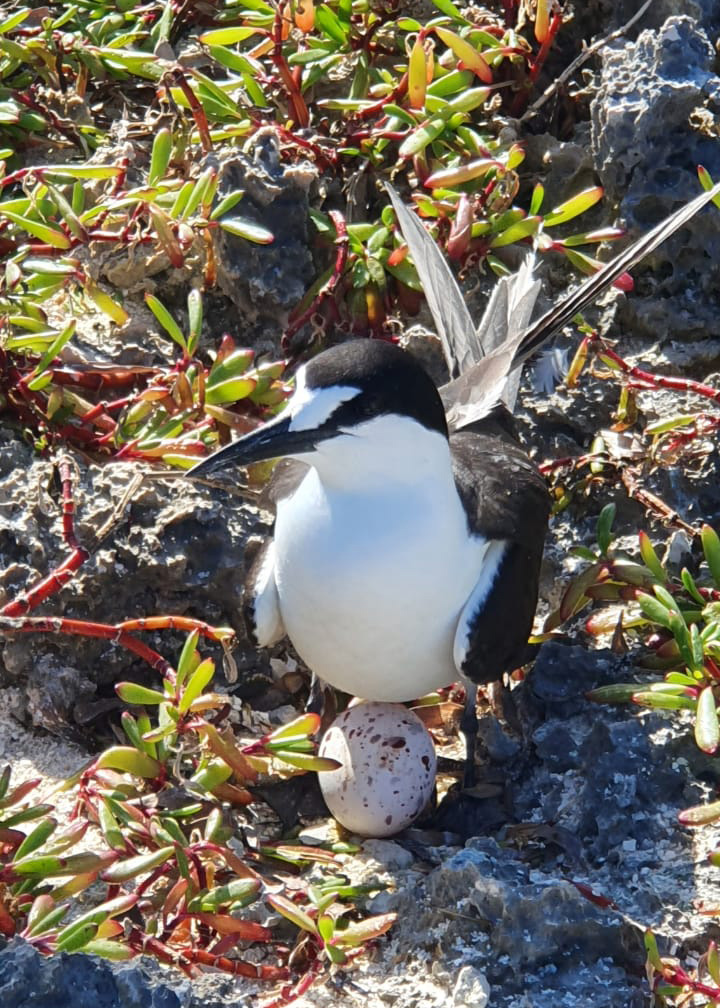
The island is almost treeless, covered in grasses and other low-growing plants. It is classified by BirdLife International as an Important Bird Area, mainly due to its huge seasonal colony of Sooty Terns. This is the second largest colony of Seychelles (after Grand Ile, Cosmoledo). There are also large numbers of Wedge-tailed Shearwater nesting in burrow and Brown Noddy on the ground or in low vegetation.
A few Masked Booby breed at what is one of only three remaining sites in Seychelles, the others being Cosmoledo and Boudeuse (though numbers here have markedly declined from earlier decades). Both hawksbill and green turtles nest in small numbers at Desnoeufs.
A few Masked Booby breed at what is one of only three remaining sites in Seychelles, the others being Cosmoledo and Boudeuse (though numbers here have markedly declined from earlier decades). Both hawksbill and green turtles nest in small numbers at Desnoeufs.
Conservation
Nature conservation meets visitor experience
Economic Activities
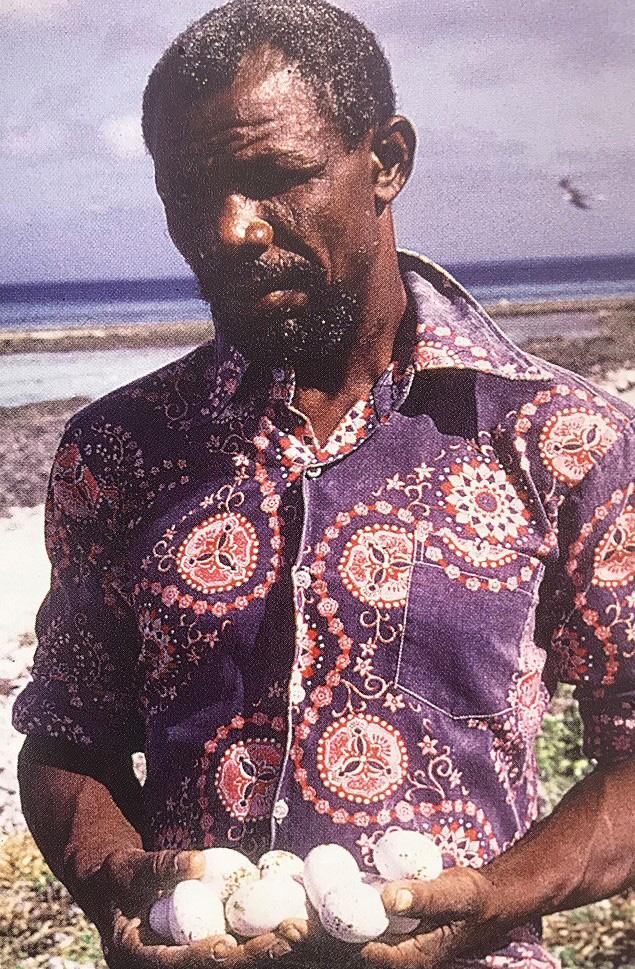
The Island Development Company (IDC) plays a critical role in the management and preservation of Sooty Tern populations. Each nesting season, IDC oversees the collection and distribution of Sooty Tern eggs from approximately two-thirds of the island. To ensure the sustainability of the Sooty Tern stocks, the egg collection process is conducted biennially.
However, in 2022, a significant policy change was introduced by the government. A two-year ban on the collection of Sooty Tern eggs was imposed, following concerning findings from the 2021 species census. This census revealed a drastic decline in the Sooty Tern population, prompting immediate conservation measures. The collected data, published in March 2022, indicated that the Sooty Tern population had plummeted by an alarming 60 to 70 percent across all islands since the last census conducted in 1999.
These measures underscore the urgent need for enhanced conservation efforts to protect the Sooty Tern and ensure the species' survival amid declining numbers.
However, in 2022, a significant policy change was introduced by the government. A two-year ban on the collection of Sooty Tern eggs was imposed, following concerning findings from the 2021 species census. This census revealed a drastic decline in the Sooty Tern population, prompting immediate conservation measures. The collected data, published in March 2022, indicated that the Sooty Tern population had plummeted by an alarming 60 to 70 percent across all islands since the last census conducted in 1999.
These measures underscore the urgent need for enhanced conservation efforts to protect the Sooty Tern and ensure the species' survival amid declining numbers.
Explore the Beauty of the Islands
Gallery