Desroches

About the island
Overview
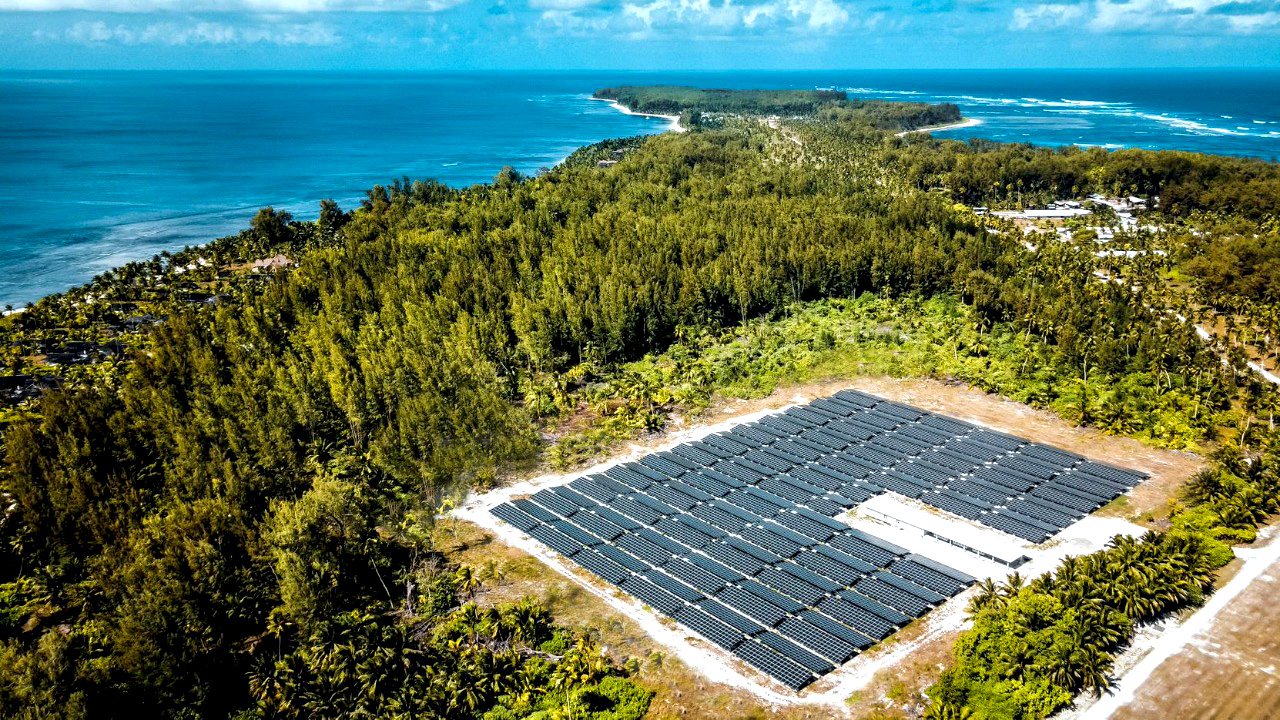
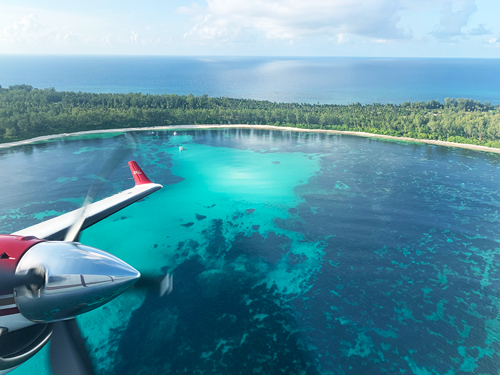
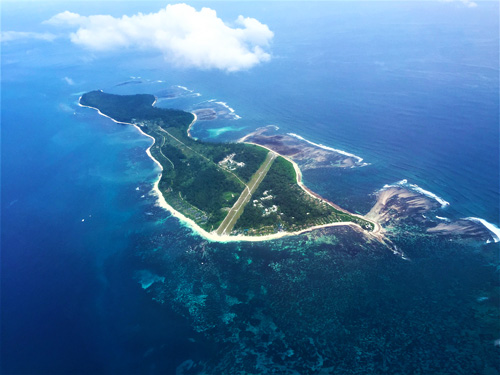
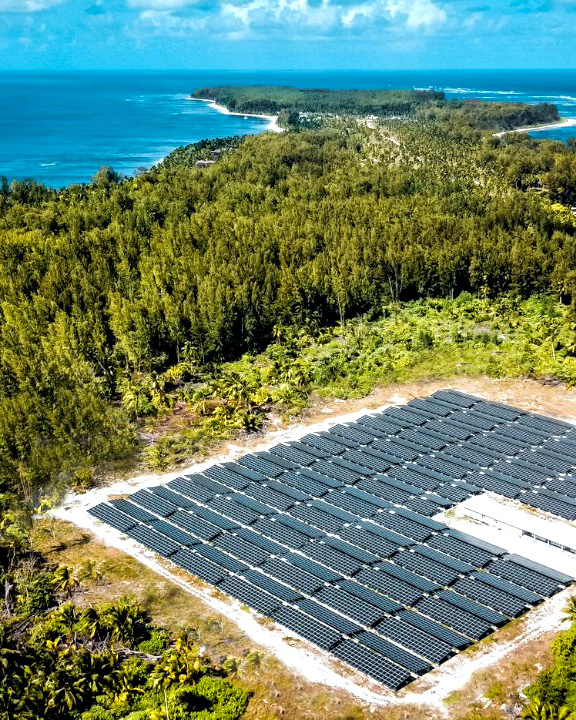
Desroches is the largest island in the Amirantes (394 hectares) and the closest to the granitic islands, lying 230 km southwest of Victoria. It is a sand cay on the western edge of a submerged atoll about 20 km in diameter.
The island is just over 5 km long but only 330 metres wide at its narrowest point. A channel northwest of the island is about 1.6 km wide and 18 metres deep, allowing even cruise ships to enter the calm waters of the lagoon, within which there is little variation in the depth at around 25 metres.
In 1771, the island was named L’île des Roches by la Biolière commander of L’Etoile du Matin to honour François Julien des Roches, Governor of Mauritius (then Île de France) and Réunion (then Bourbon).
The island is just over 5 km long but only 330 metres wide at its narrowest point. A channel northwest of the island is about 1.6 km wide and 18 metres deep, allowing even cruise ships to enter the calm waters of the lagoon, within which there is little variation in the depth at around 25 metres.
In 1771, the island was named L’île des Roches by la Biolière commander of L’Etoile du Matin to honour François Julien des Roches, Governor of Mauritius (then Île de France) and Réunion (then Bourbon).
Island Background
History
In 1815, Lieutenant Bibye Lesage, Civil Agent in Seychelles was granted the concession of Desroches, which passed to Ensign George Harrison in 1819. In 1825, the island was purchased by Jean-Francois Hodoul.
In the 1880s, copra became the major source of income. By 1906 Desroches was producing 15-20,000 coconuts a month.
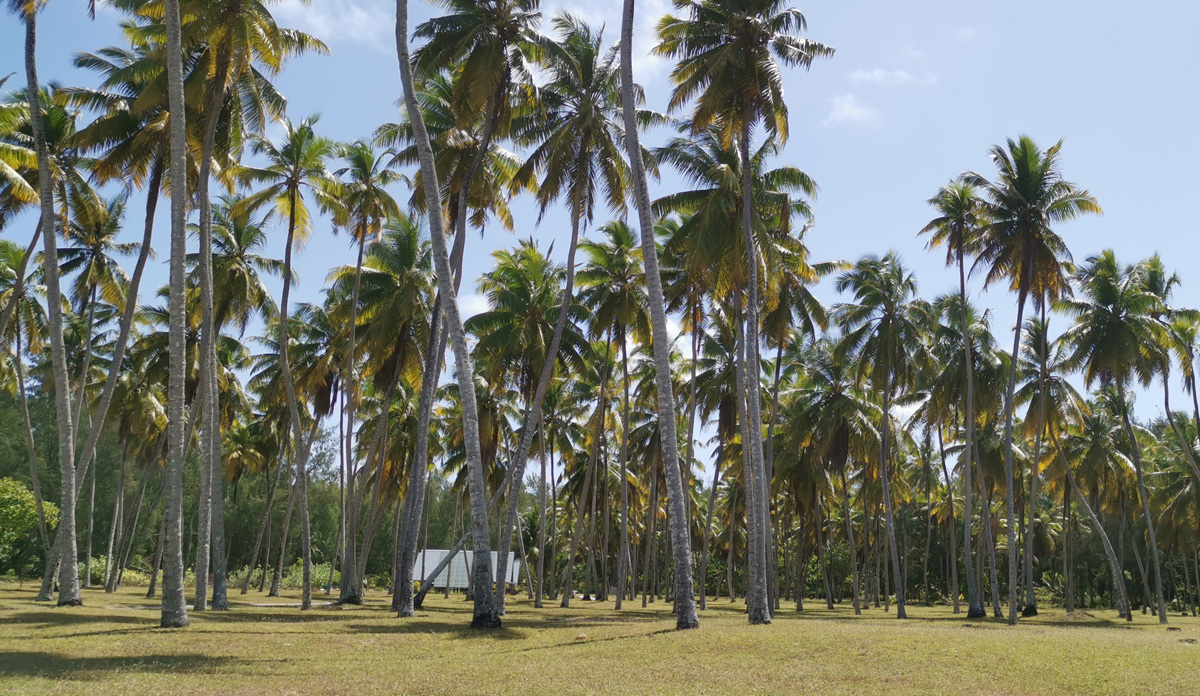
On English charts it was called Wood Island, because of the extensive native forest and in 1835 when the island was first settled, many casuarina trees were planted, creating a forest which provided timber, fuel and charcoal. A visitor in 1906 mentioned that the island was still exporting firewood. Pockets of this forest remain.
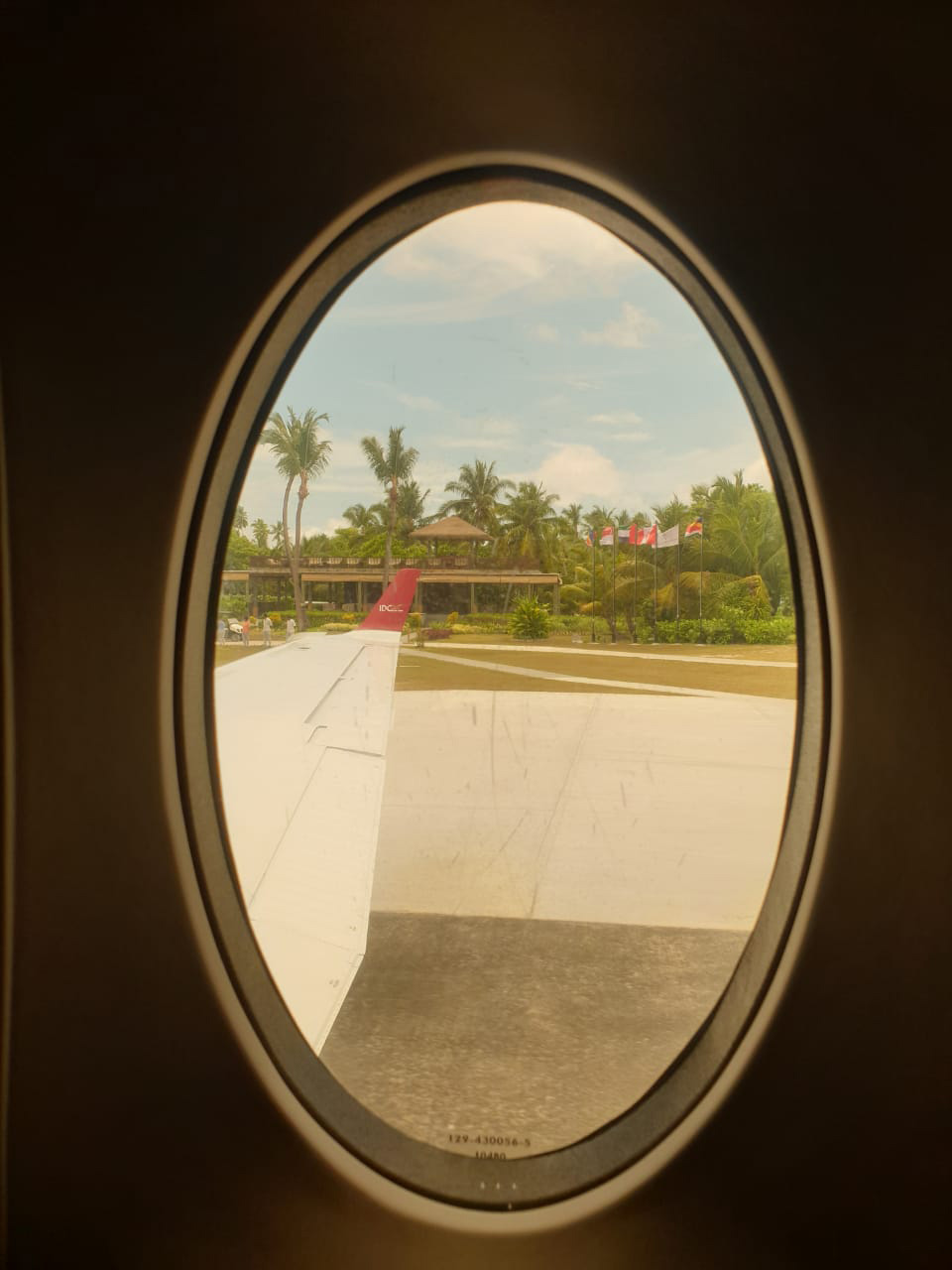
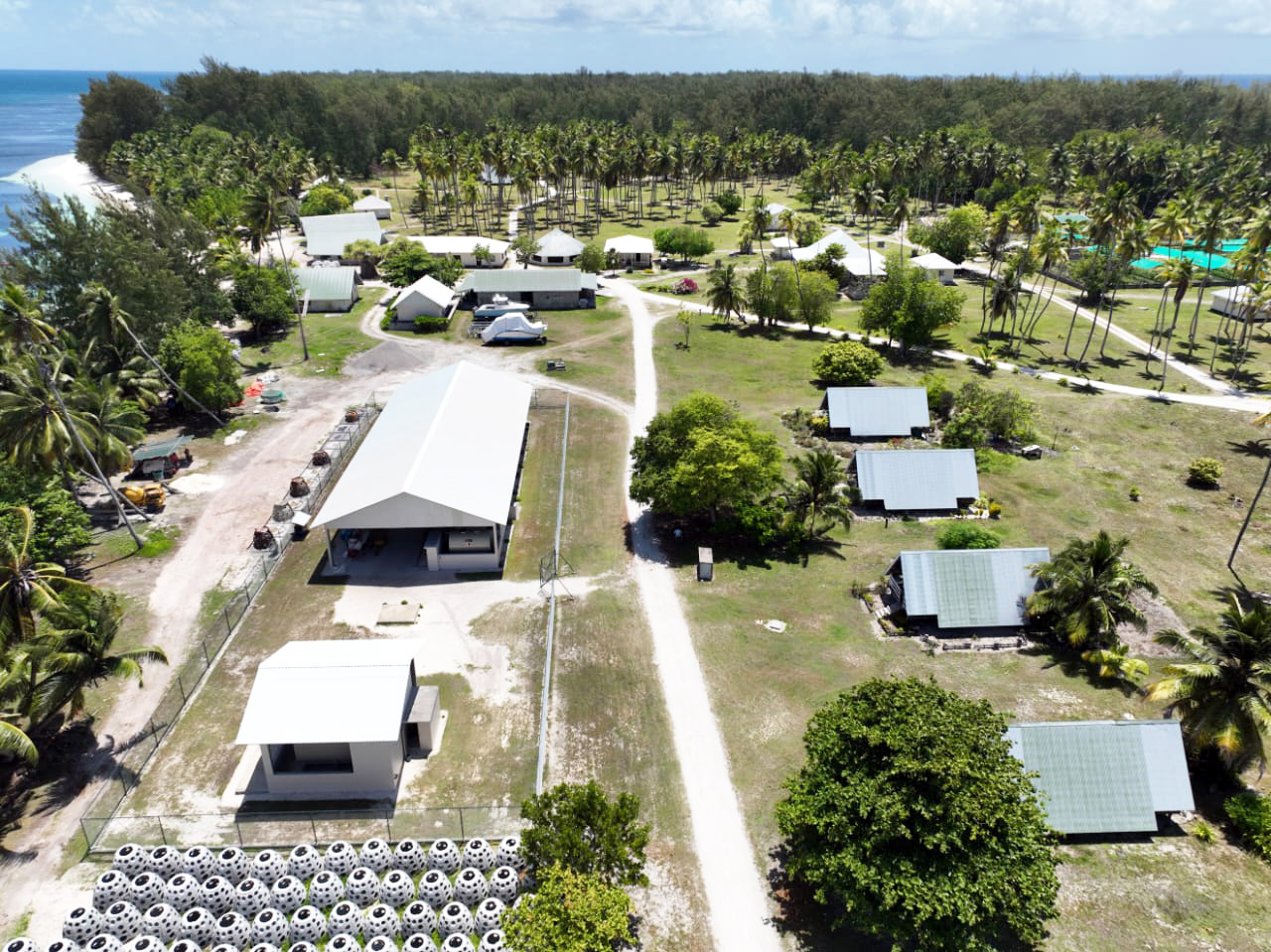
The IDC village is situated on the north coast where there has been a settlement since the old days when Desroches was an important centre of agriculture in Seychelles.
On English charts it was called Wood Island, because of the extensive native forest and in 1835 when the island was first settled, many casuarina trees were planted, creating a forest which provided timber, fuel and charcoal. A visitor in 1906 mentioned that the island was still exporting firewood. Pockets of this forest remain.
The IDC village is situated on the north coast where there has been a settlement since the old days when Desroches was an important centre of agriculture in Seychelles.
Preserving The Island's Unique Biodiversity
Conservation
Conservation
Island Conservation Society has run a conservation centre on Alphonse since 2007. Programmes are approved by Alphonse Foundation, which brings together ICS, IDC, hotel investors and the Ministry of Environment.
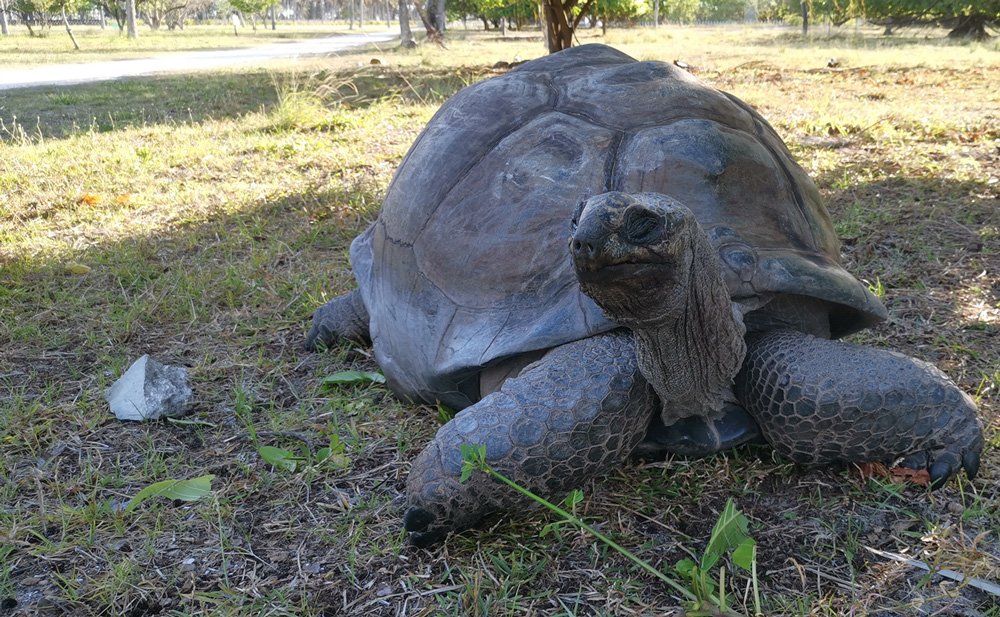
Desroches Island is home to a variety of introduced bird species, including the House Sparrow, Barred Ground Dove, Madagascar Fody, and Grey Francolin, all of which have successfully established breeding populations on the island. These species have adapted well to the island's environment and contribute to the biodiversity of Desroches.
In addition to its avian inhabitants, Desroches boasts a long, encircling beach and beach-crest that are of national significance for green turtles and hawksbill turtles. These beaches, particularly those on the south and northeast coasts, serve as crucial nesting sites for these endangered species, providing a safe haven for them to lay their eggs and for the hatchlings to make their way to the ocean.
In addition to its avian inhabitants, Desroches boasts a long, encircling beach and beach-crest that are of national significance for green turtles and hawksbill turtles. These beaches, particularly those on the south and northeast coasts, serve as crucial nesting sites for these endangered species, providing a safe haven for them to lay their eggs and for the hatchlings to make their way to the ocean.
Desroches is also notable for being the only known location in the Amirantes group to host an endemic species of cockroach, Delosia ornata. This unique insect adds to the ecological significance of the island, highlighting its role as a key habitat for both introduced and native species.
These diverse ecosystems underscore the importance of conservation efforts on Desroches, ensuring the protection and sustainability of its unique wildlife and natural beauty.
Conservation
Nature conservation meets visitor experience
Economic Activities
Tourism is now the main economic activity.
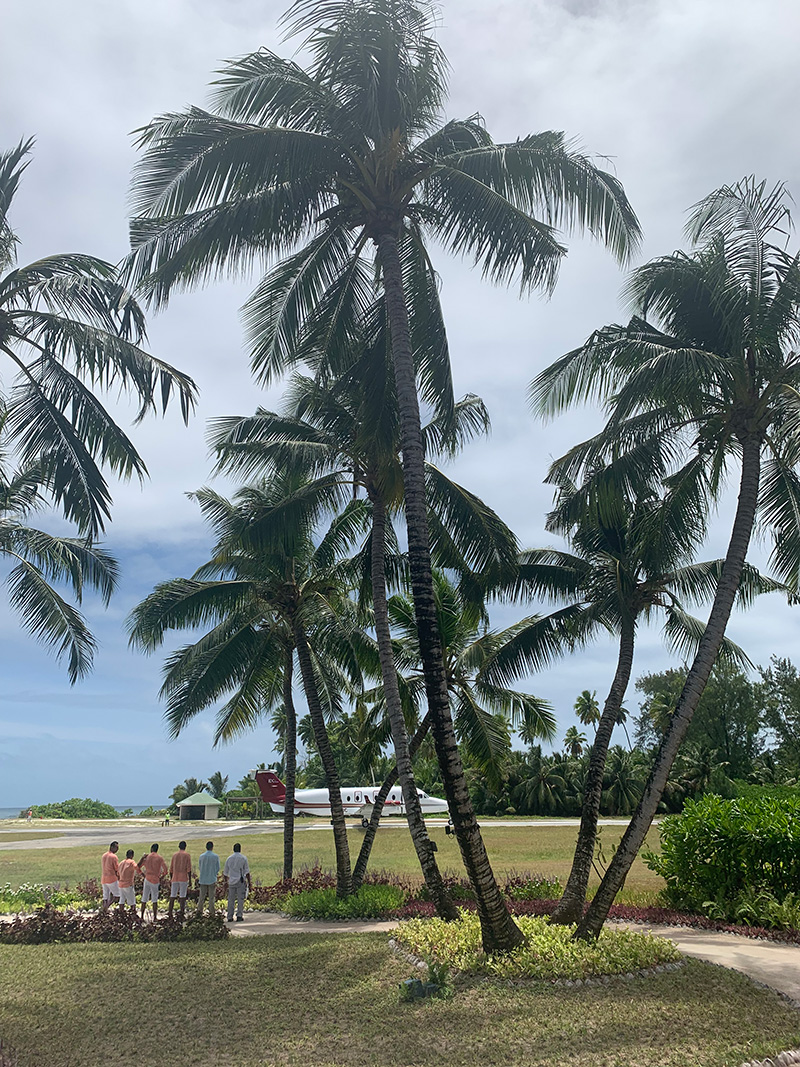
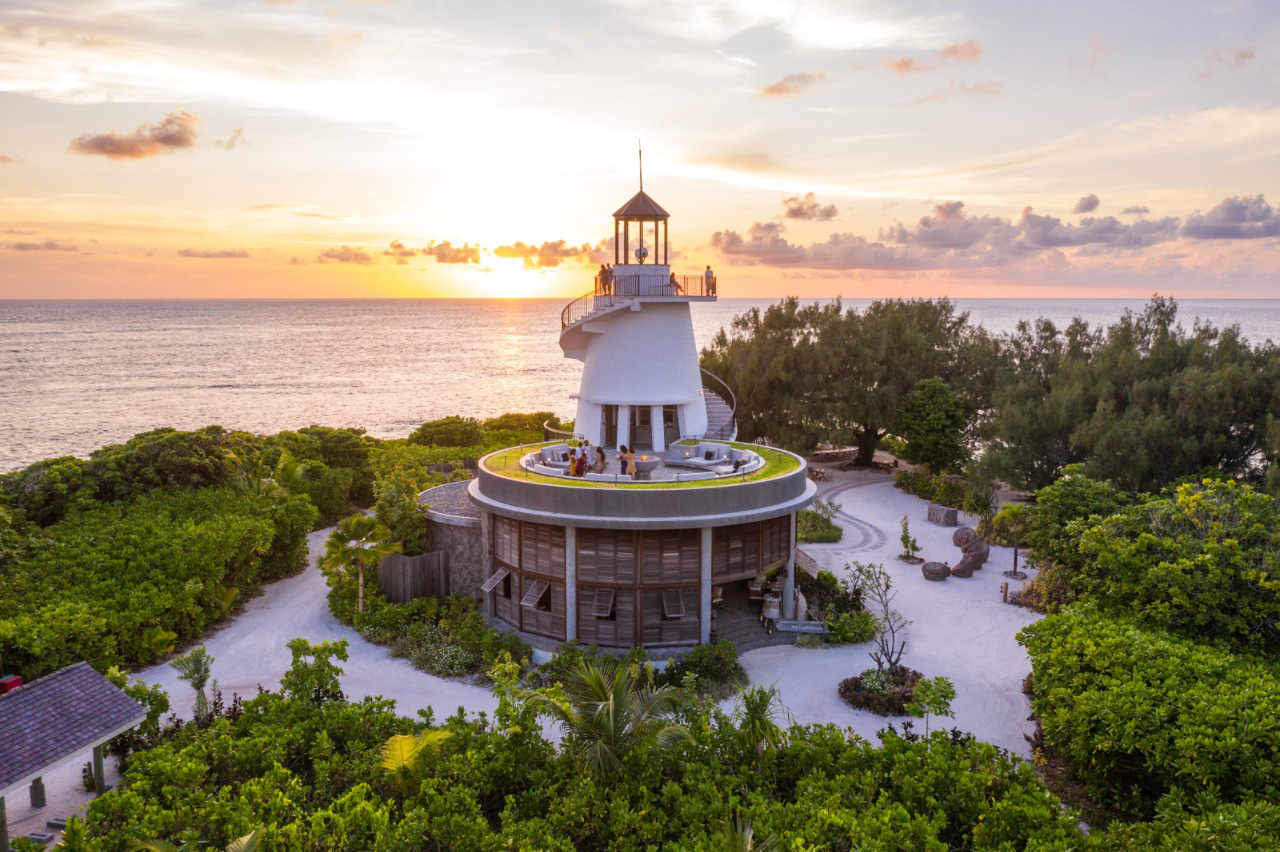
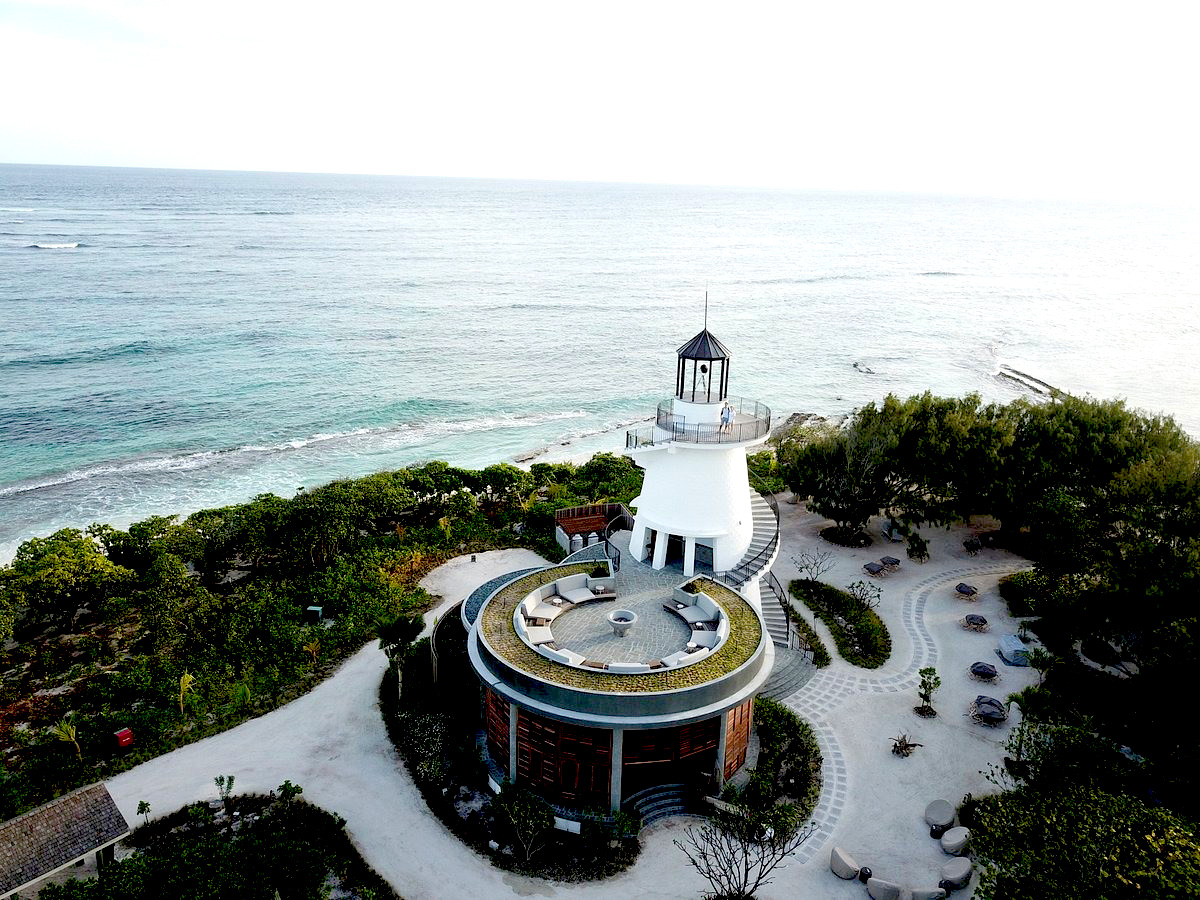
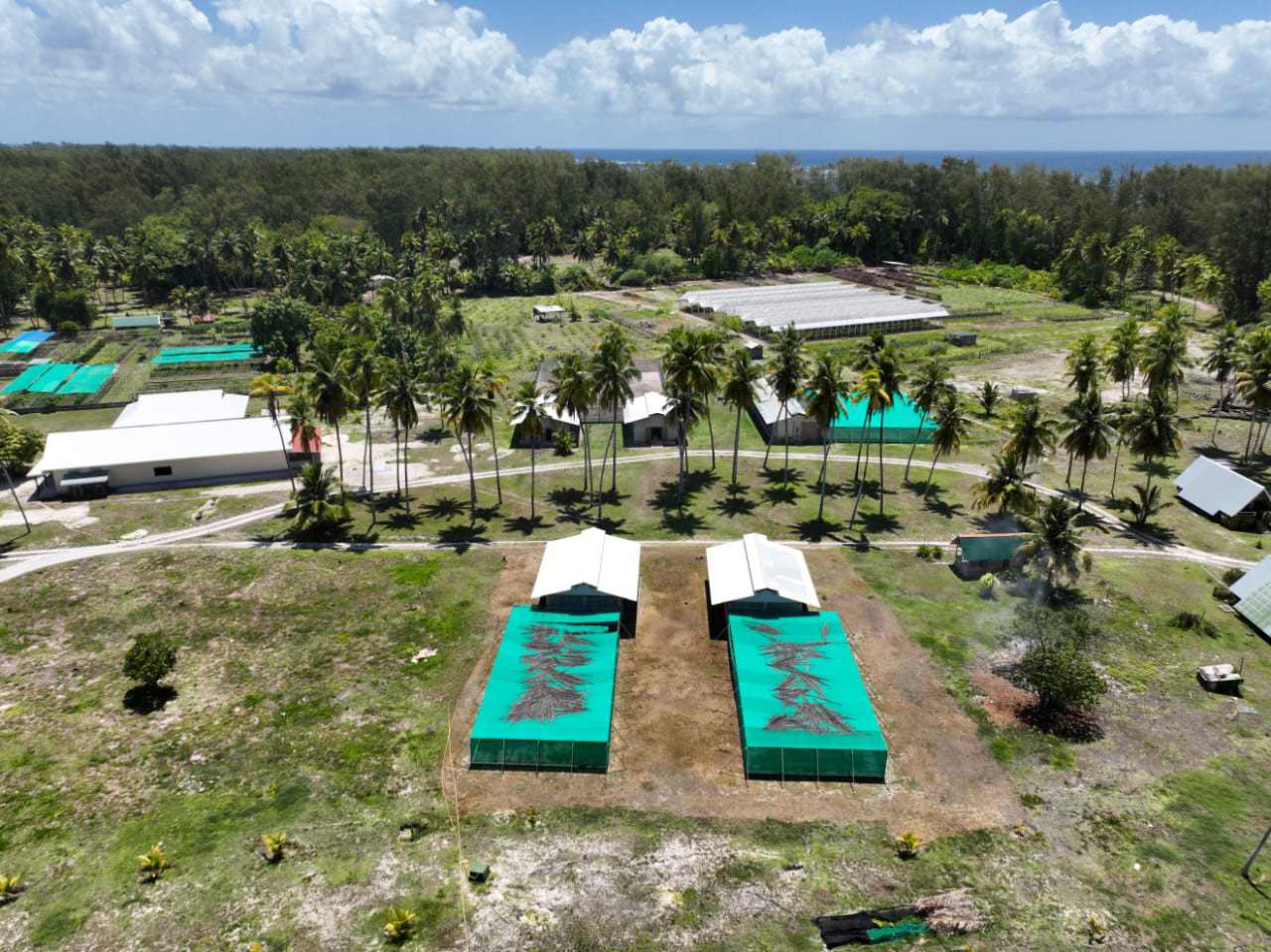
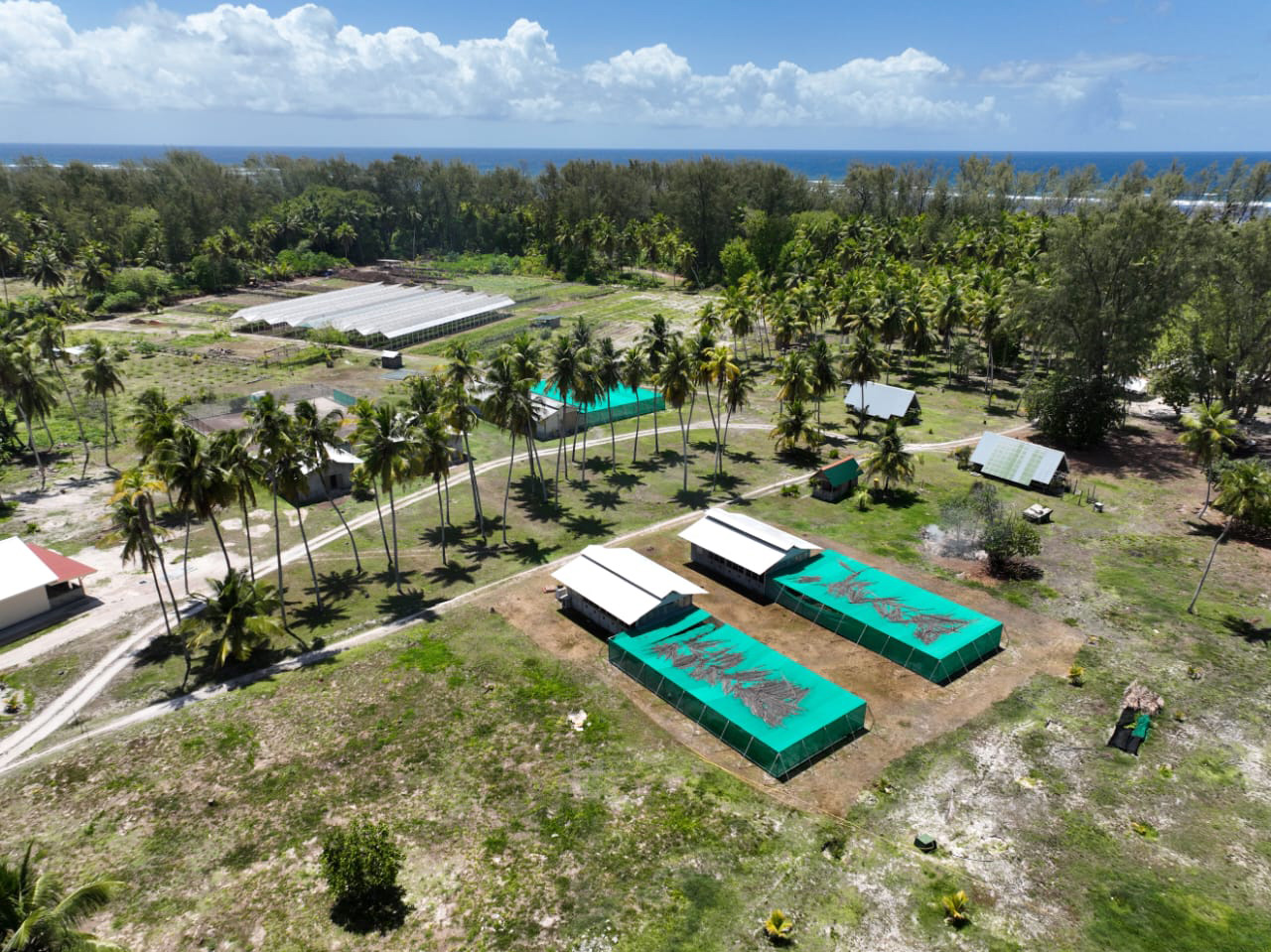
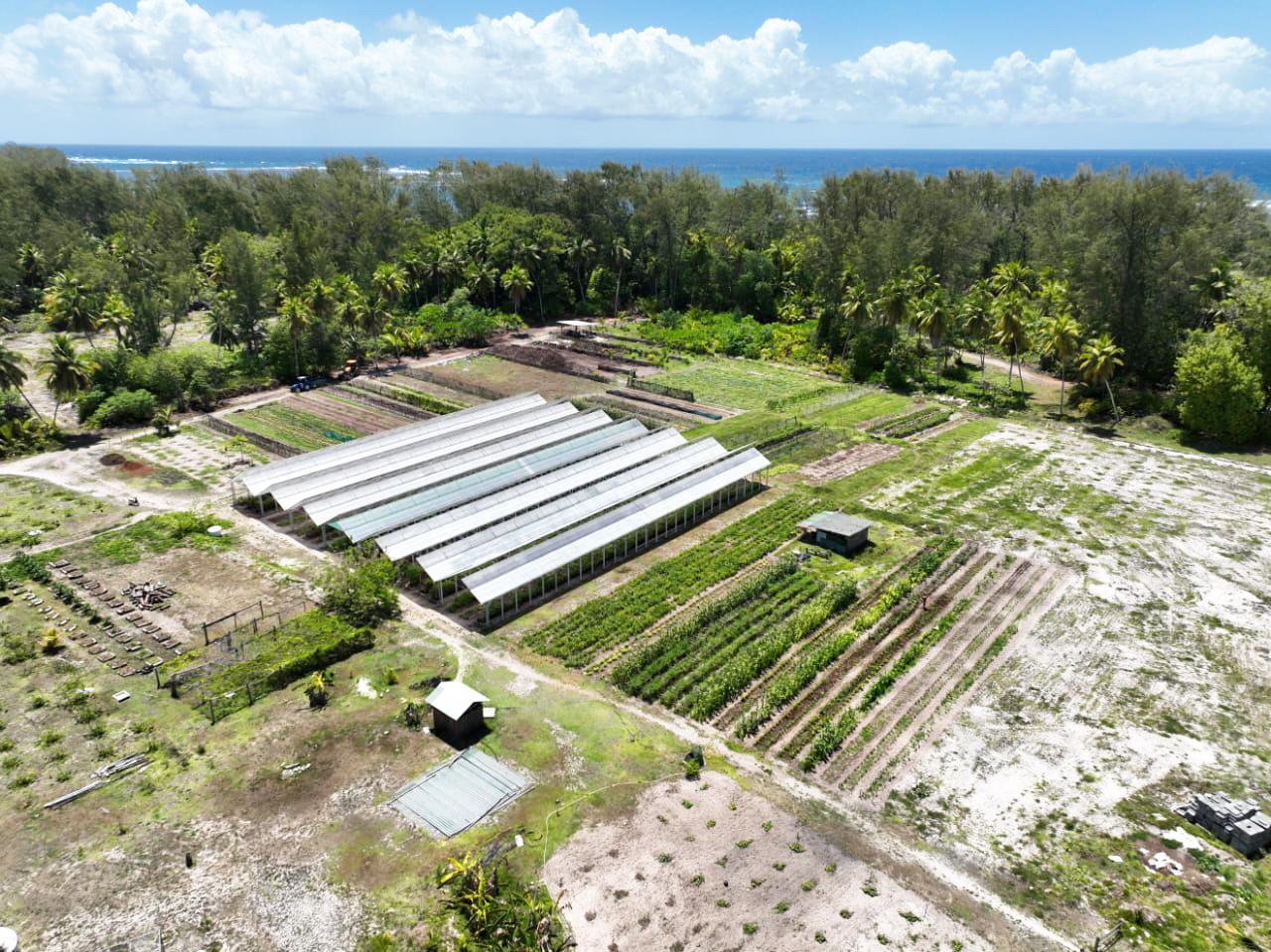
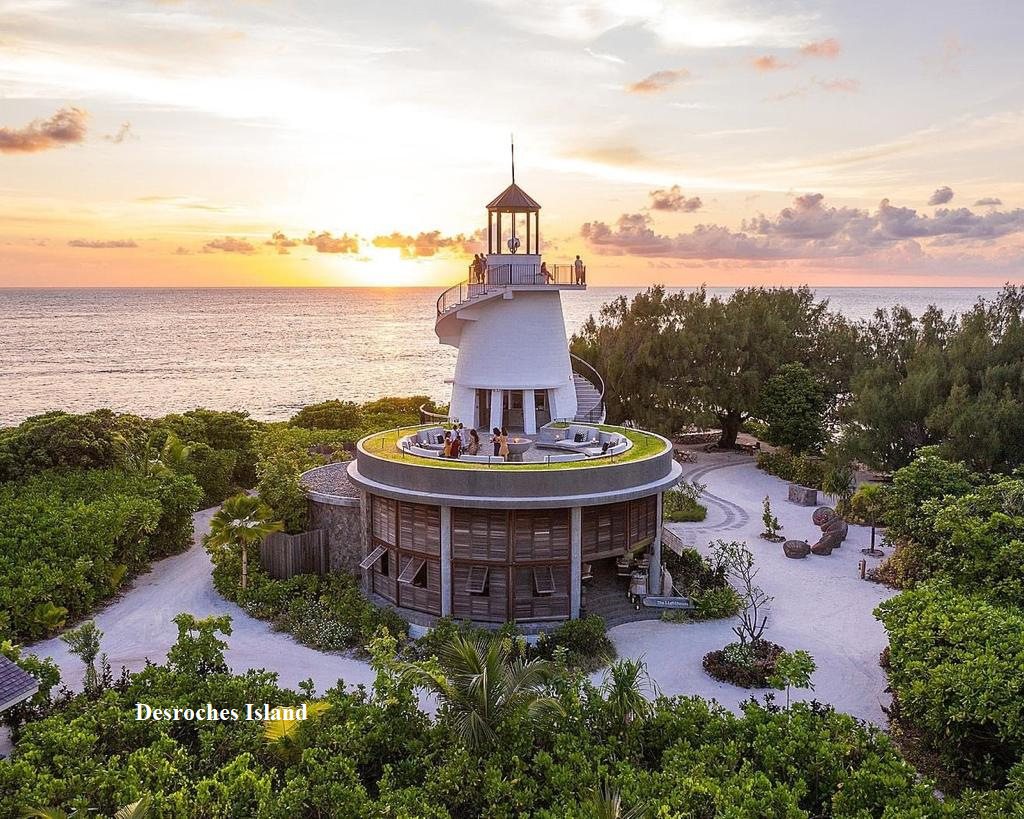
The first hotel was built in 1987. It has undergone extensive changes and eventually closed down for rebuilding work. Desroches hotel reopened on 1st March 2018. Trials on certain crop varieties have been undertaken on the island. Some have been very successful, and IDC is now in a position to use the results of the trials on Coëtivy for onions, tomatoes and other vegetables. In the process, IDC has also expanded vegetable production on Desroches, so as to supply Four Seasons hotel.
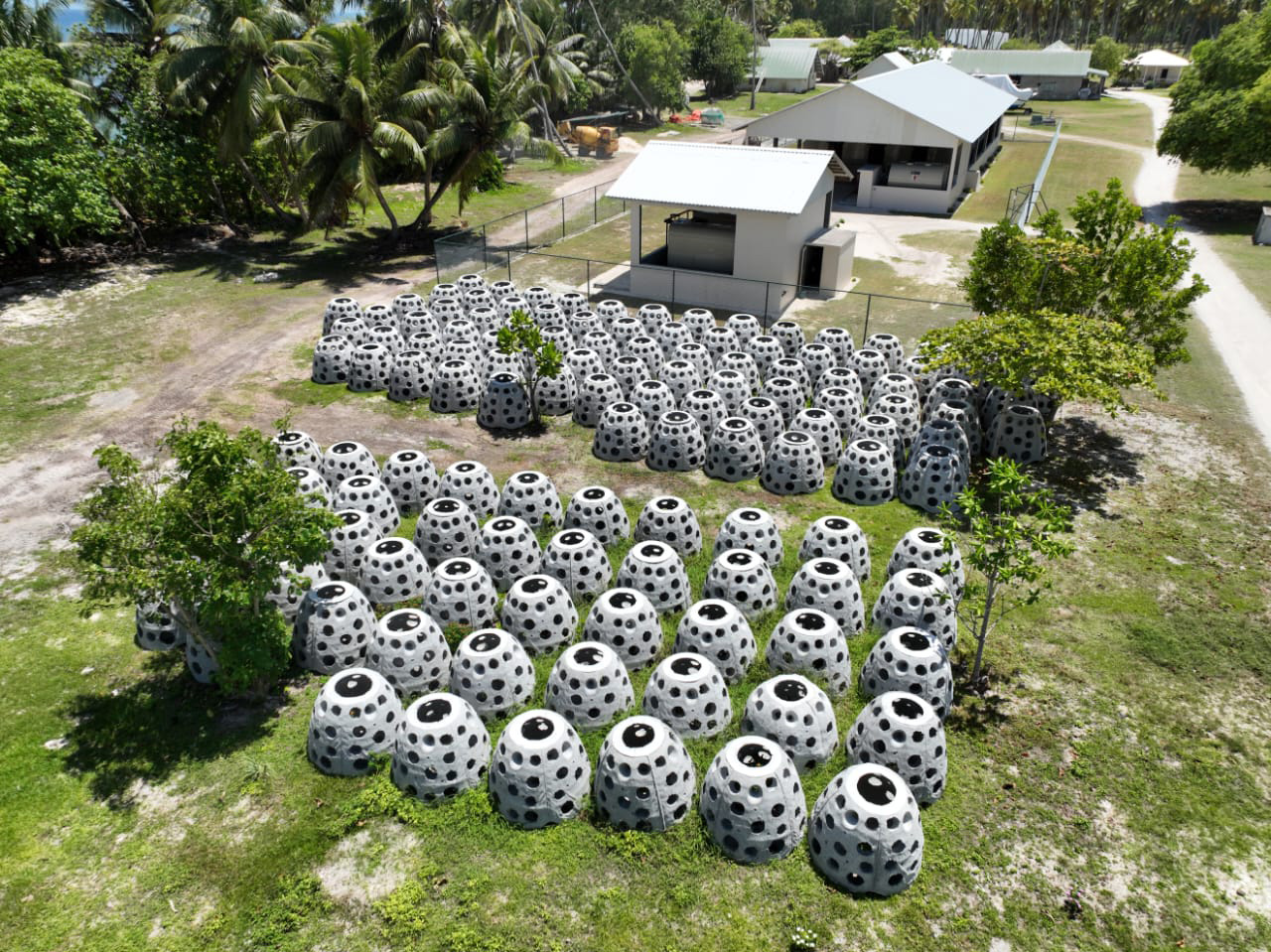
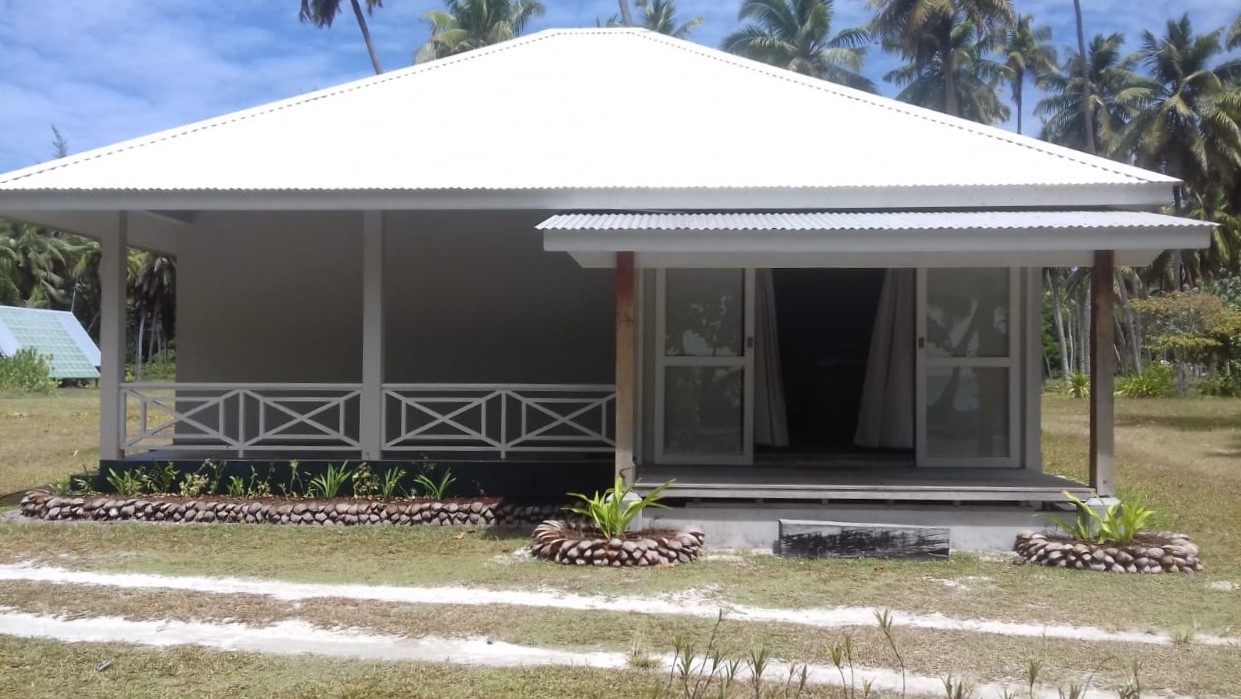
IDC operates a Guest House and also provides staff accommodation, a Conservation Centre and logistical support to Island Conservation Society.
IDC operates a Guest House and also provides staff accommodation, a Conservation Centre and logistical support to Island Conservation Society.

Explore the Beauty of the Islands
Gallery