History

The Seychelles islands were probably known to sailors for many centuries, but they were not really ‘on the map’ until the Portuguese began to explore the region.
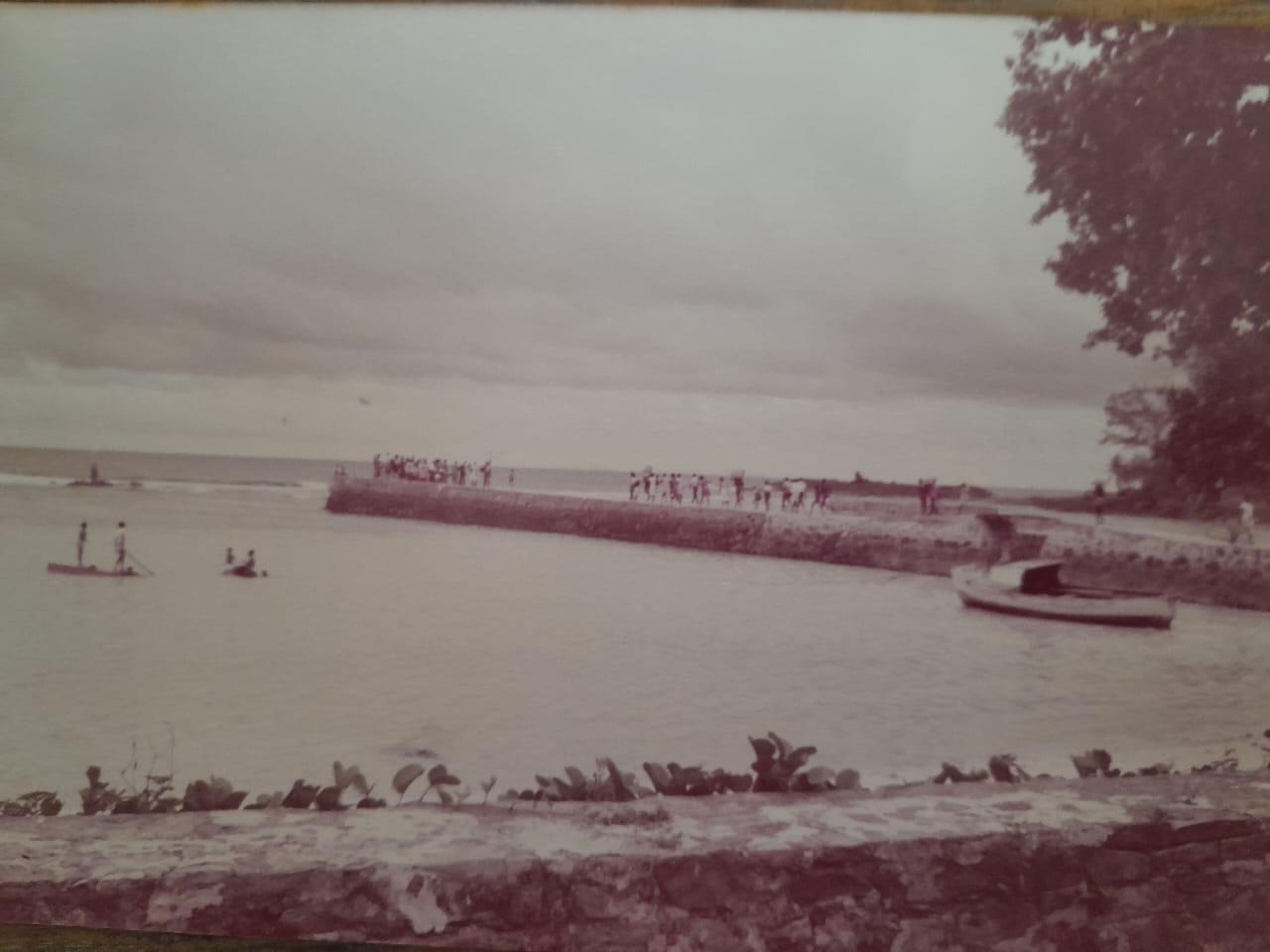
The Outer Islands long remained enigmatic and it was at various times said gold and silver mines, amber and sulphur could be found ashore in quantity, but it was all myth. Formal possession was taken of the Amirantes in 1802 by France and passed to England at the end of the Napoleonic Wars. Early correspondence tells of various outer islands being used as fishing camps, temporary bases and slave camps. Things eventually came under stricter control, but island populations remained small.
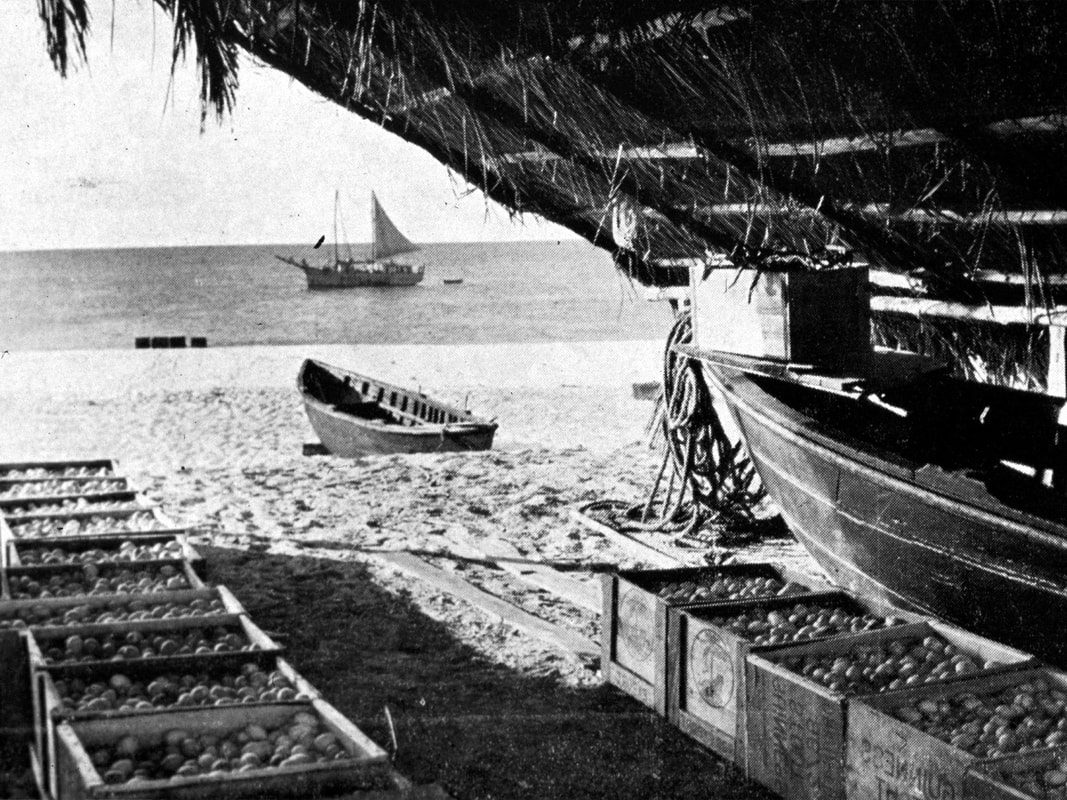
By the 1860s, the coconut had become Seychelles’ only commercial crop. The outer islands were ideal for plantations. Despite the extra costs involved in transport and labour, they became very much viable. Some of the islands were also exploited for their deposits of guano for fertiliser. Conditions were spartan. When the schooner disappeared over the horizon, there was no contact with the outside world for months, until the next ship was due.
In 1979, a Presidential delegation toured the Outer Islands aboard MV Nordvaer, and following discussions on Farquhar, a decision was taken to set up a new parastatal to manage these islands. It was the vision of Guy Morel, Principal Secretary for Finance at the time, that this new structure would give new impetus to the economic activities taking place, as well as improve the working and social conditions existing on these far-away outposts of the country.
To that end on 29th April 1980, IDC was established as a parastatal company. Its first General Manager was Mr. Joseph Belmont and the first Chairman was Mr. Morel himself.
By 1982, IDC owned Farquhar, Desroches, Coëtivy, Cosmoledo, Astove, Providence, Marie-Louise, Rémire, Ile Plate, Poivre and Alphonse. Silhouette became an IDC island in 1983 and was the last addition. A training school was created on Coëtivy for island staff and managers. Farquhar and Desroches also had airstrips but the only plane in which to fly to the islands was an Islander, belonging to the Ministry of Defense. The Cinq Juin was used to make trips every two months and there were schooners going to the islands. IDC’s first vessel was the Argo, a small boat originally built by Harry Savy, which was purchased from the Navy.
By the 1860s, the coconut had become Seychelles’ only commercial crop. The outer islands were ideal for plantations. Despite the extra costs involved in transport and labour, they became very much viable. Some of the islands were also exploited for their deposits of guano for fertiliser. Conditions were spartan. When the schooner disappeared over the horizon, there was no contact with the outside world for months, until the next ship was due.
In 1979, a Presidential delegation toured the Outer Islands aboard MV Nordvaer, and following discussions on Farquhar, a decision was taken to set up a new parastatal to manage these islands. It was the vision of Guy Morel, Principal Secretary for Finance at the time, that this new structure would give new impetus to the economic activities taking place, as well as improve the working and social conditions existing on these far-away outposts of the country.
To that end on 29th April 1980, IDC was established as a parastatal company. Its first General Manager was Mr. Joseph Belmont and the first Chairman was Mr. Morel himself.
By 1982, IDC owned Farquhar, Desroches, Coëtivy, Cosmoledo, Astove, Providence, Marie-Louise, Rémire, Ile Plate, Poivre and Alphonse. Silhouette became an IDC island in 1983 and was the last addition. A training school was created on Coëtivy for island staff and managers. Farquhar and Desroches also had airstrips but the only plane in which to fly to the islands was an Islander, belonging to the Ministry of Defense. The Cinq Juin was used to make trips every two months and there were schooners going to the islands. IDC’s first vessel was the Argo, a small boat originally built by Harry Savy, which was purchased from the Navy.
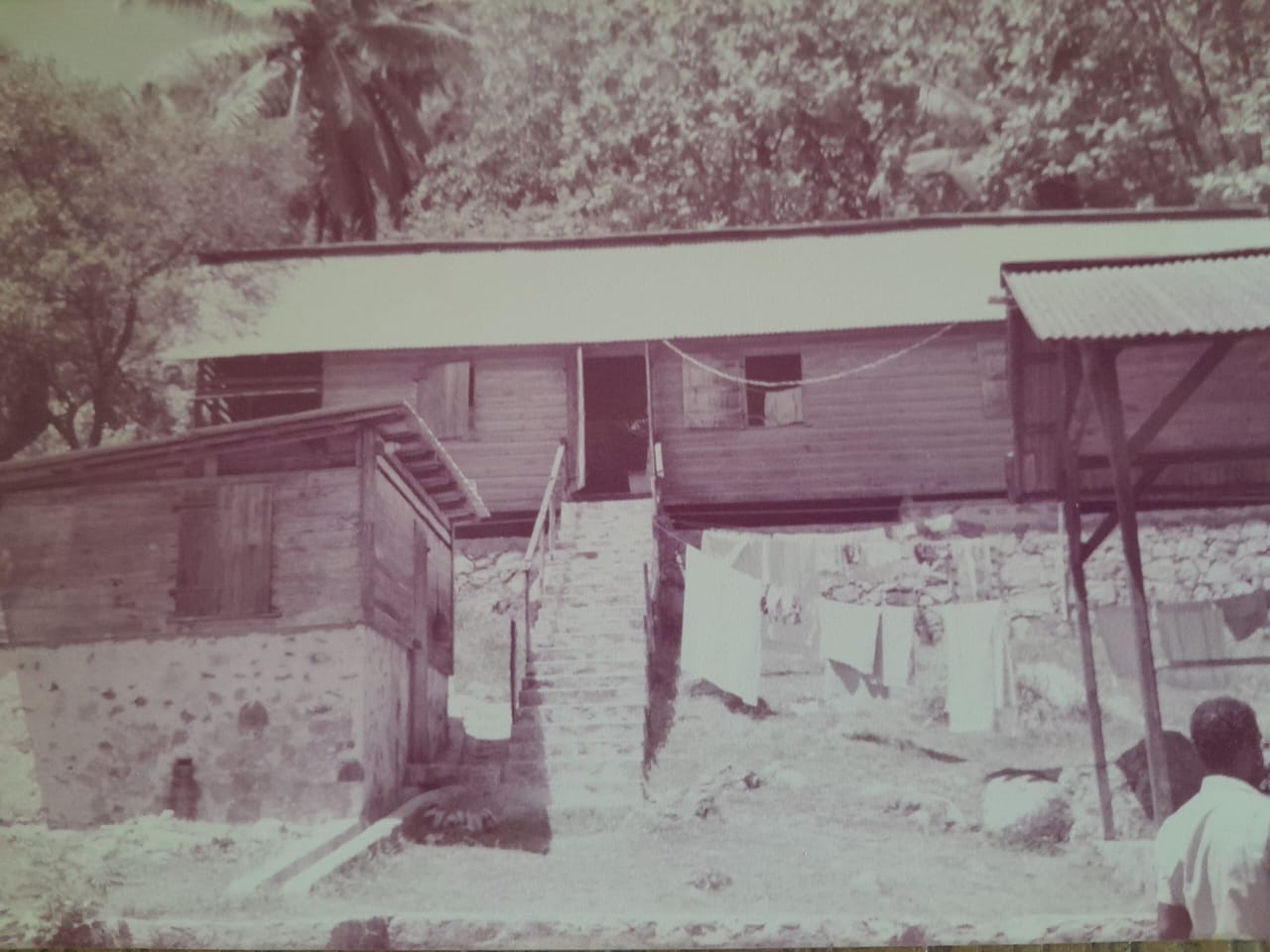
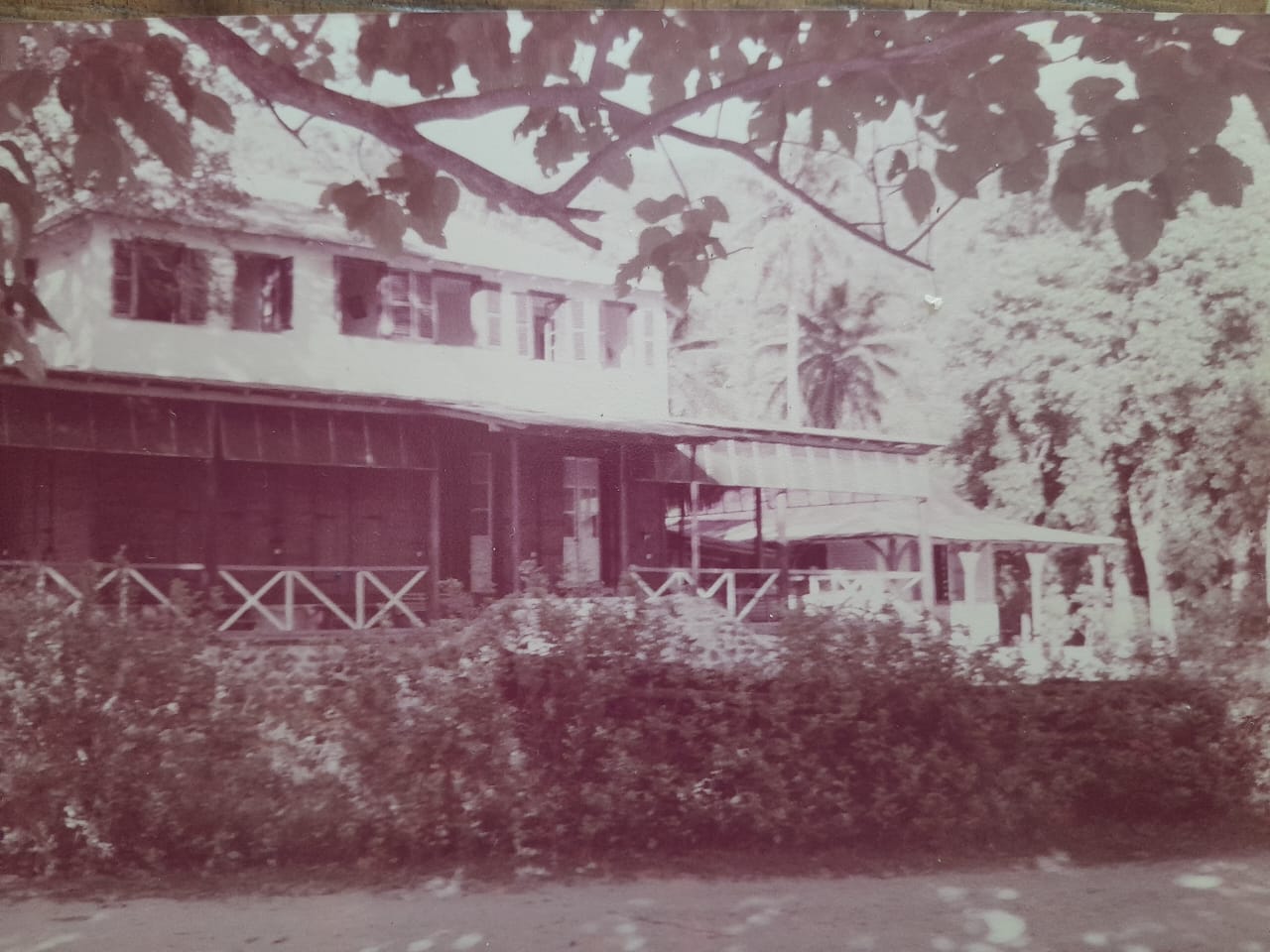
Construction activities increased with the rebuilding of island houses. Straw huts were replaced with wooden structures. Sawmills were built on Coëtivy and Desroches to process casuarina for house building. Eventually these timber houses were replaced with half-timber and half concrete buildings and today the houses are concrete with timber cladding. In 1984 IDC built the first fish processing plant on Coëtivy.
By the mid-1980s, tourism in the outer island became a serious proposition. The first hotels were those on Silhouette and Desroches, which were in operation by 1987, and were built by IDC. Both hotels were very profitable and in 2000 IDC went forward to construct Alphonse Resort. Tourism in turn opened the door to redevelop agriculture.
Since the mid-1980s there have been air links to the islands. IDC had access to an Islander plane and later acquired a Merlin aircraft. In 1990 and 1995 IDC purchased Caravans. In 1996 a first Beechcraft was purchased to service hotels in the outer islands. The IDC air service has become profitable and today the IDC fleet comprises three Beechcraft, a Tecnam STOL and a Y12.
Since the mid-1980s there have been air links to the islands. IDC had access to an Islander plane and later acquired a Merlin aircraft. In 1990 and 1995 IDC purchased Caravans. In 1996 a first Beechcraft was purchased to service hotels in the outer islands. The IDC air service has become profitable and today the IDC fleet comprises three Beechcraft, a Tecnam STOL and a Y12.
Nowadays there are more young people working on outer islands.
Our History
Gallery