Providence

about the island
Overview
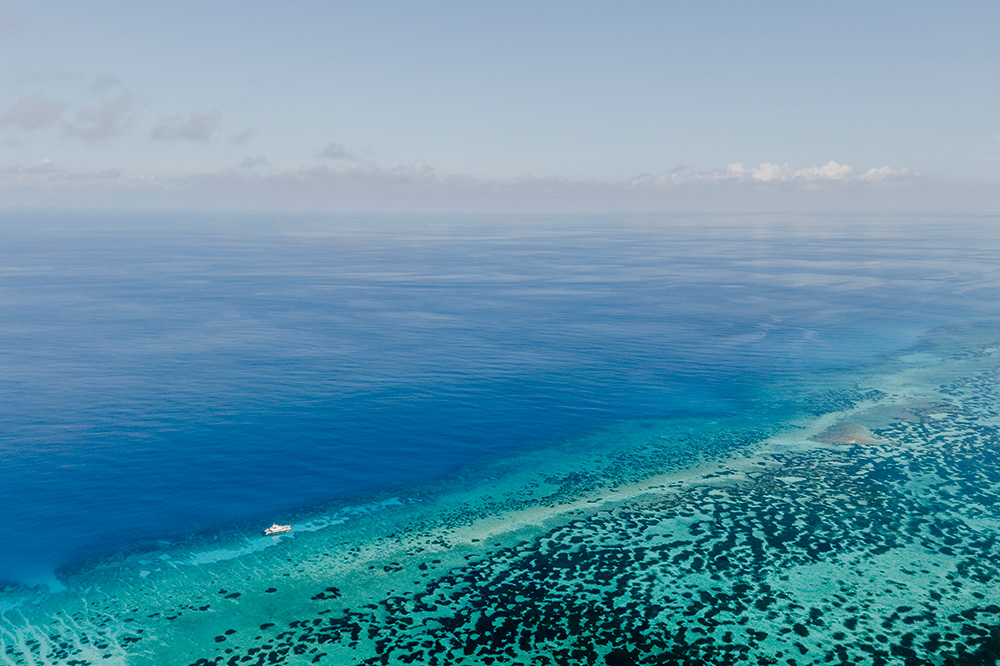
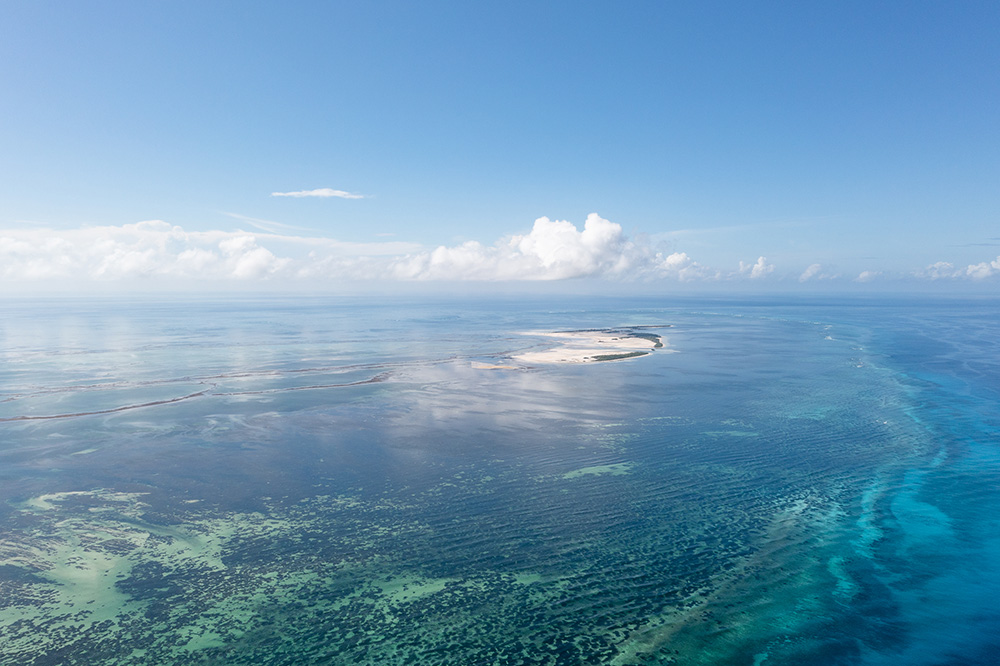
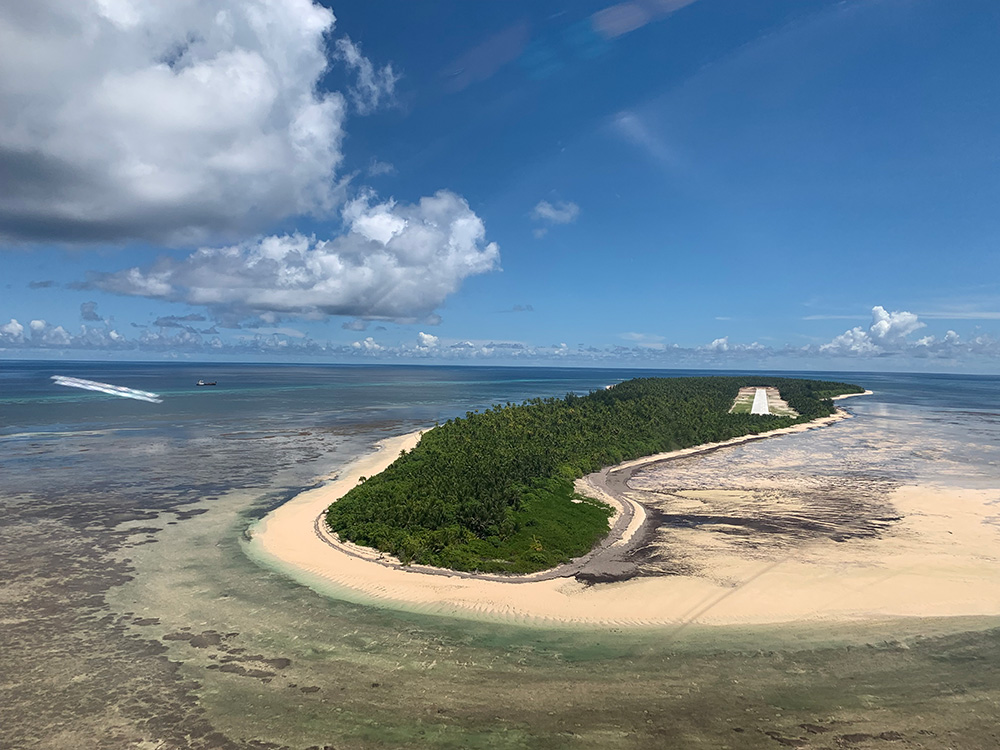
Providence is a platform reef 710 km south-southwest of Victoria at the northern limit of the Farquhar group. It is 294 km south-southwest of St François (the southern limit of the Amirantes).
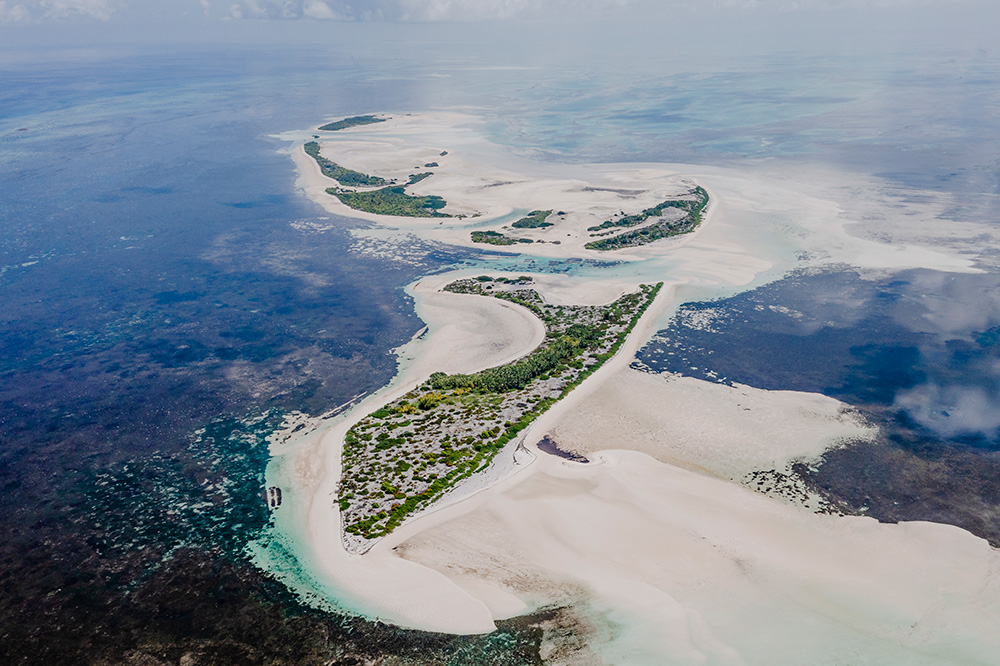
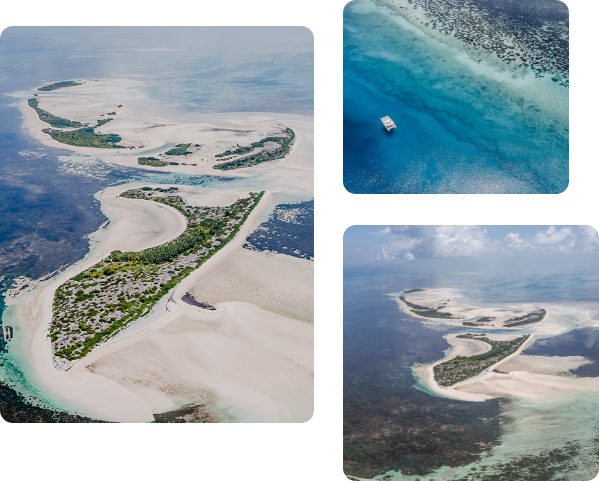
Providence Island has an area of 157 hectares, while Bancs Providence (or Cerf Island), 30 km to the south has a land area of 71 hectares. Bancs Providence is dynamic and the number of islands has varied, comprising four main islands today plus six smaller satellites.
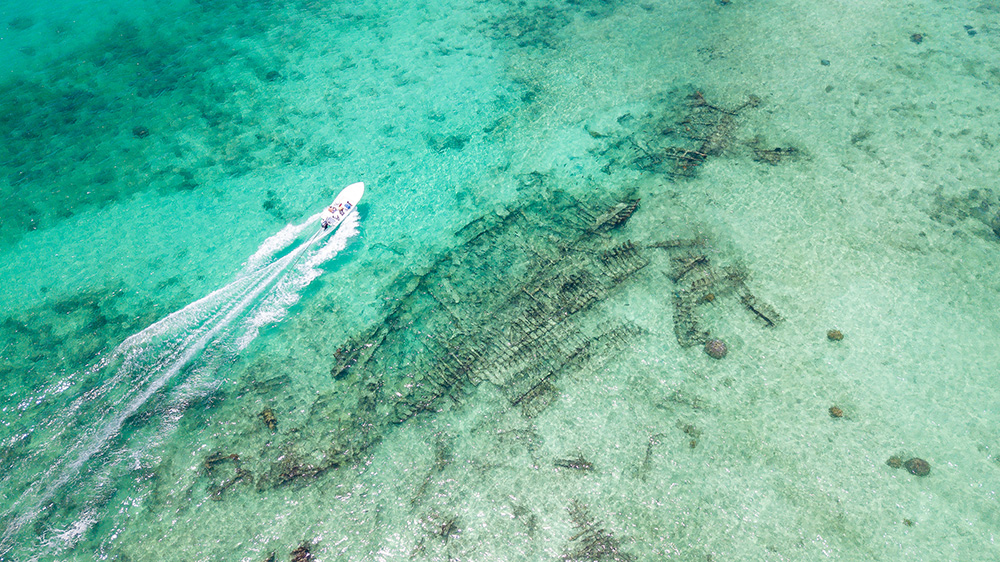
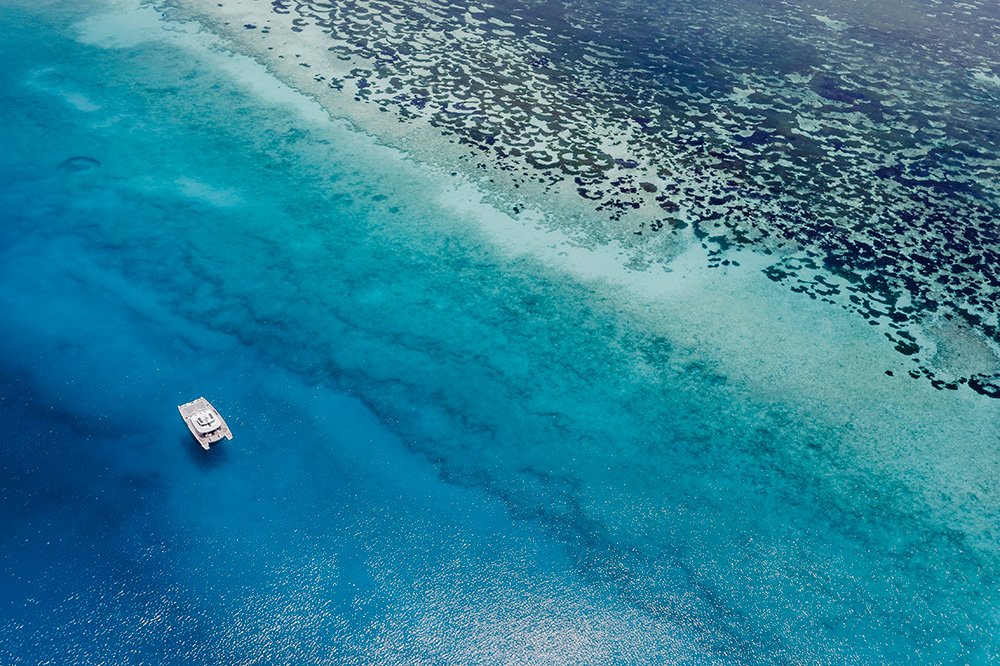
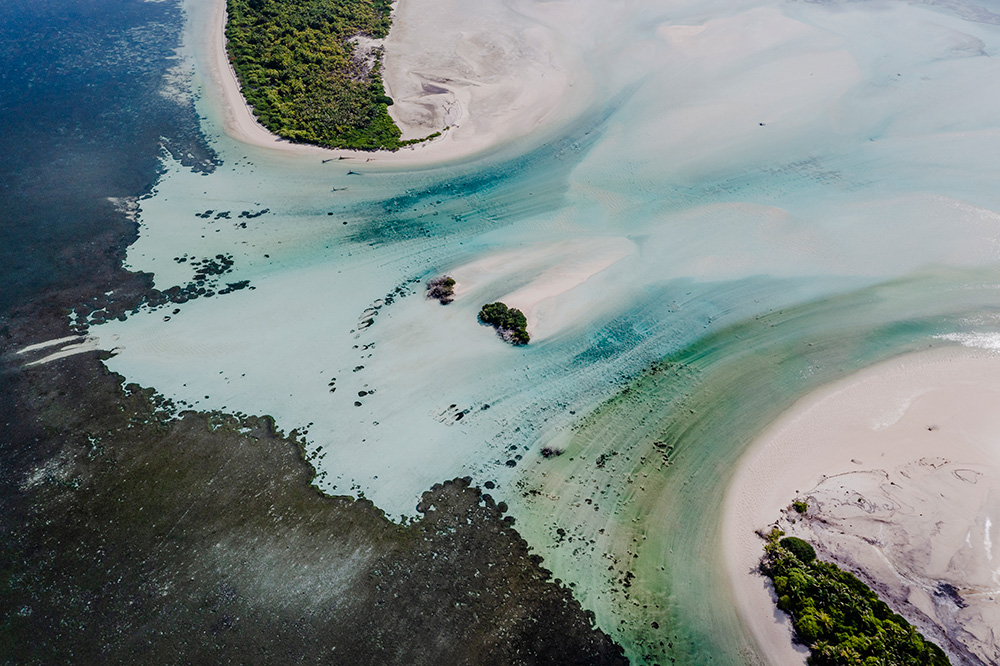
The shallow reef between the two is longer though narrower than Aldabra’s lagoon, measuring 45 km north-south and with a total area of approximately 200 square km. It was named by the crew of the French frigate L’Heureuse, which was wrecked on its reefs in 1763, because it was the salvation of the crew, who were able to survive on the island until they were rescued.
Providence Island has an area of 157 hectares, while Bancs Providence (or Cerf Island), 30 km to the south has a land area of 71 hectares. Bancs Providence is dynamic and the number of islands has varied, comprising four main islands today plus six smaller satellites.
The shallow reef between the two is longer though narrower than Aldabra’s lagoon, measuring 45 km north-south and with a total area of approximately 200 square km. It was named by the crew of the French frigate L’Heureuse, which was wrecked on its reefs in 1763, because it was the salvation of the crew, who were able to survive on the island until they were rescued.
island background
History
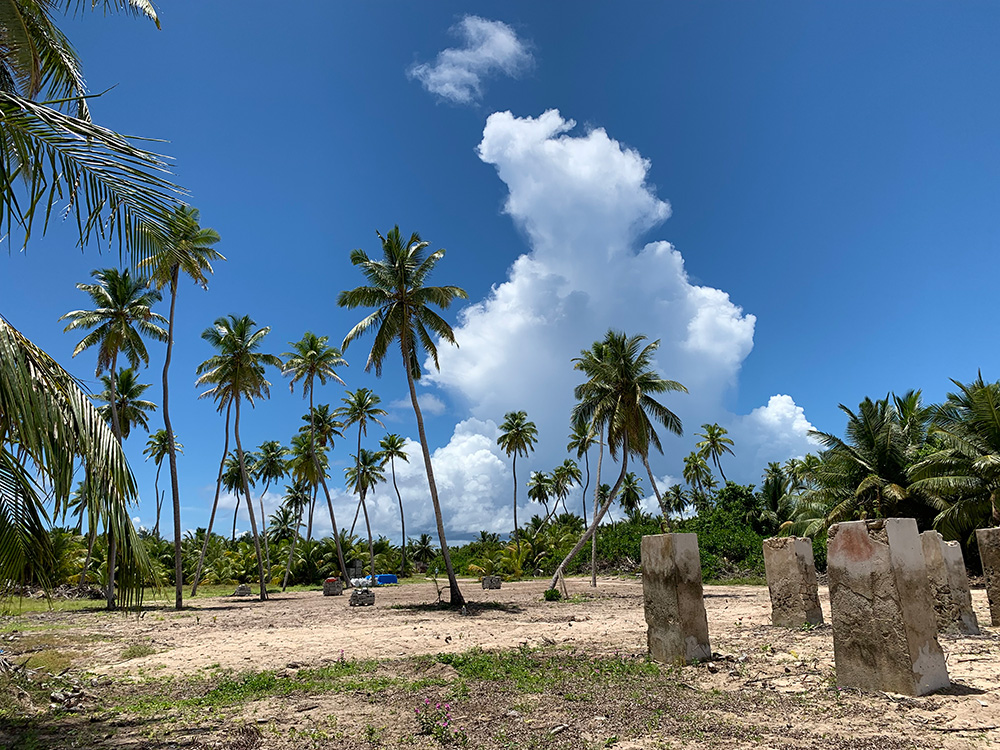
In the early 19th century, lepers were sent to Providence. Later in 1846, it was recorded that Providence was the centre for fishery, coconuts had been planted and tortoise shell was exported. This created employment for forty persons. Copra was produced until 2006, when Cyclone Bondo destroyed most of the buildings and about 60 percent of the coconut trees. It was the last island of Seychelles to cease large scale commercial copra production.
Conservation
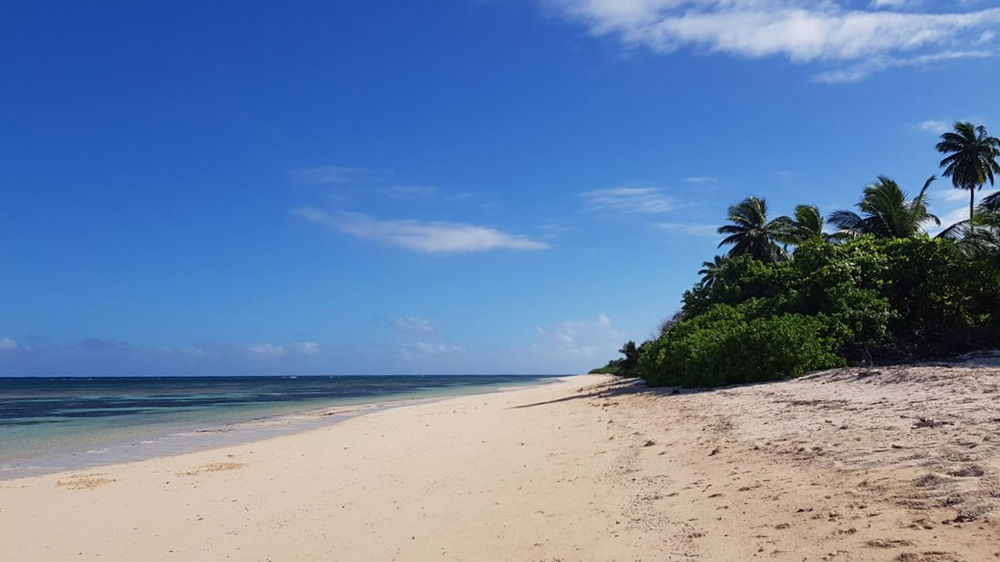
In 2016, previously unknown colonies of Black-naped Tern and Greater Crested Tern were discovered, the latter now the largest known colony in Seychelles. The huge area of reef flats also attracts large numbers of waders, notably Crab Plover and the largest heronry of Grey Heron in Seychelles breeds near Point Gustave, the southern tip of Providence. Other seabirds including Brown Noddy and Fairy Tern. Madagascar Fody, is the only resident land bird. Some green turtles and hawksbills nest on Providence and forage in adjacent waters.
Conservation
In 2016, previously unknown colonies of Black-naped Tern and Greater Crested Tern were discovered, the latter now the largest known colony in Seychelles. The huge area of reef flats also attracts large numbers of waders, notably Crab Plover and the largest heronry of Grey Heron in Seychelles breeds near Point Gustave, the southern tip of Providence. Other seabirds including Brown Noddy and Fairy Tern. Madagascar Fody, is the only resident land bird. Some green turtles and hawksbills nest on Providence and forage in adjacent waters.
Nature conservation meets visitor experience
Economic Activities
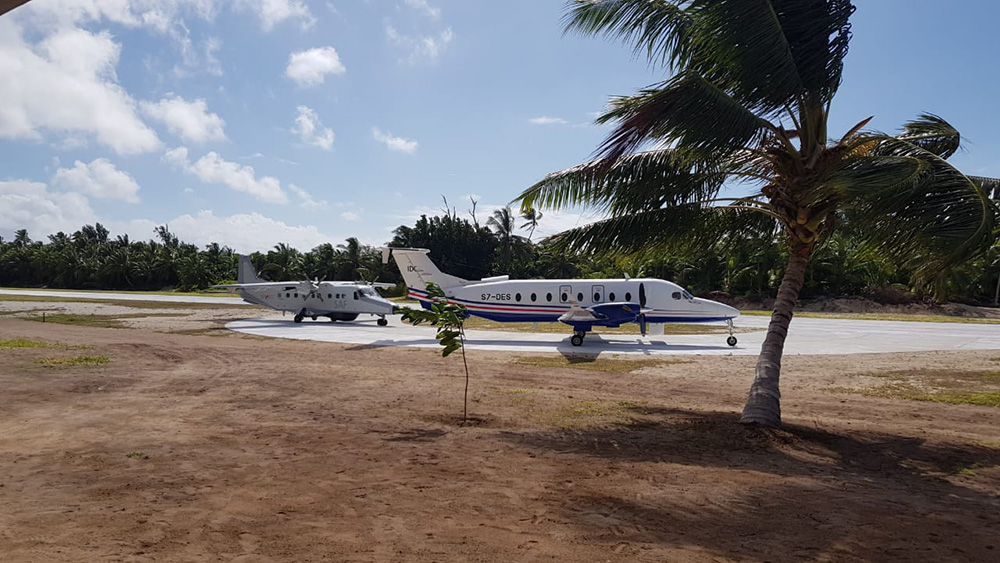
Following considerable destruction caused by cyclone Bondo in 2006, the island infrastructure has been rebuilt. In 2009, IDC completed the 1,300 metre airstrip on Providence.
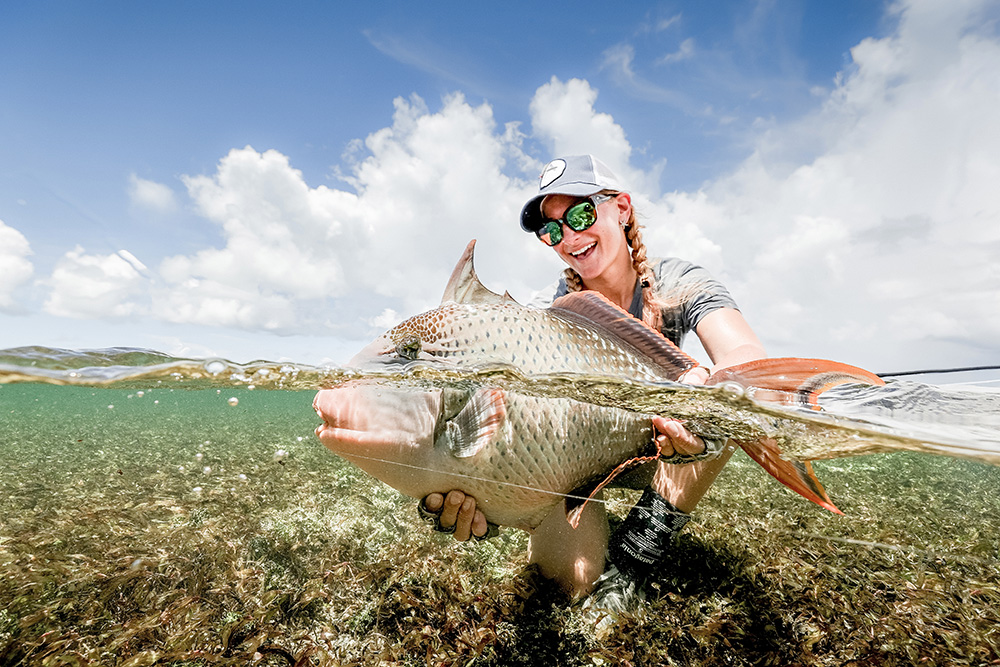
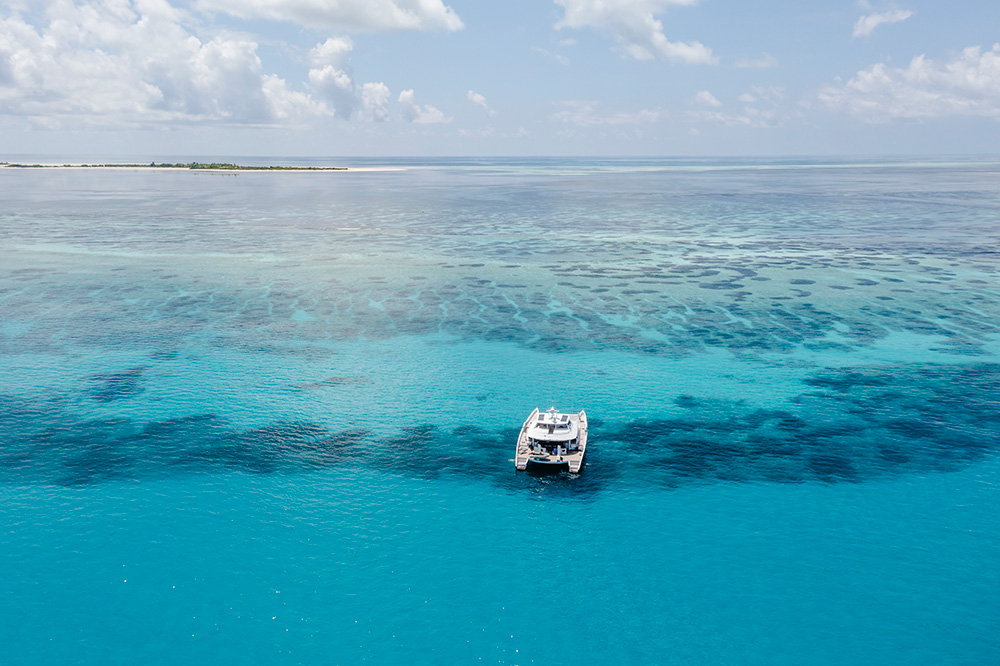
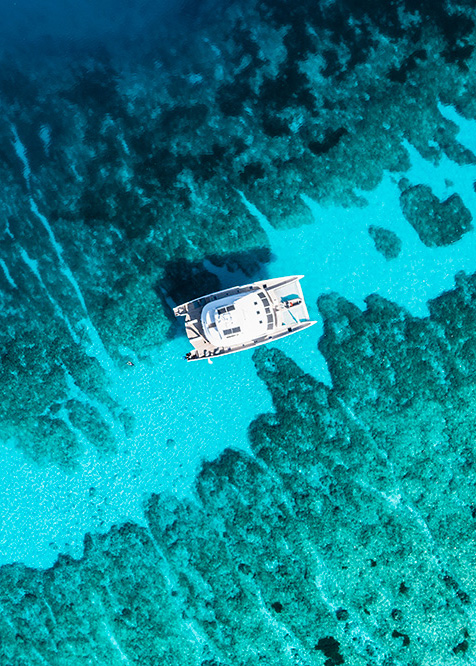
The flats and reefs surrounding the island attract fly fishermen who stays on a live-aboard ship. It has been described as “an unbelievable destination….one of the last truly unspoilt fishing destinations left on planet earth”.
IDC has plans to build guesthouse accommodation on the island.
The flats and reefs surrounding the island attract fly fishermen who stays on a live-aboard ship. It has been described as “an unbelievable destination….one of the last truly unspoilt fishing destinations left on planet earth”.
IDC has plans to build guesthouse accommodation on the island.
Explore the Beauty of the Islands
Gallery