Rémire

about the island
Overview
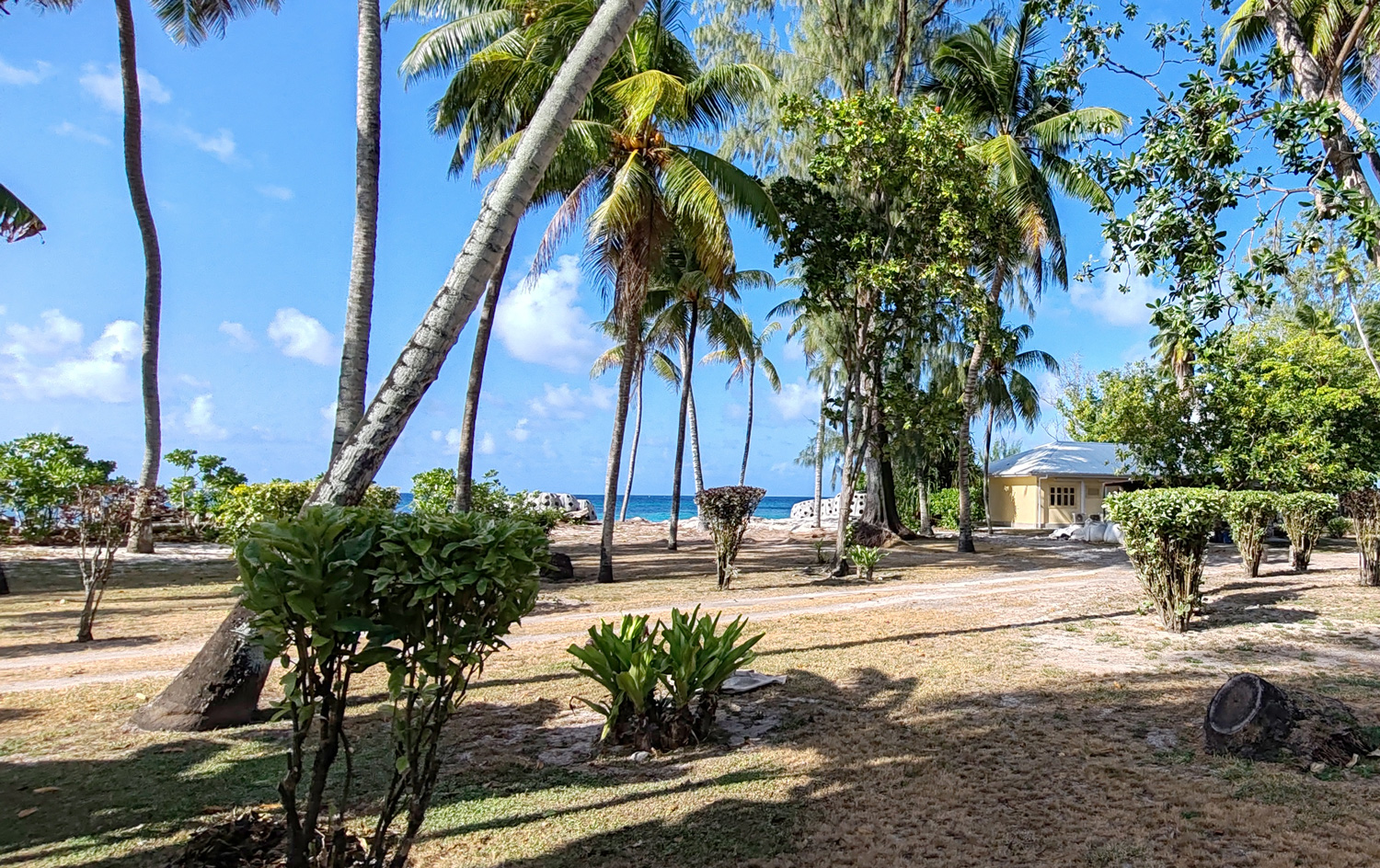
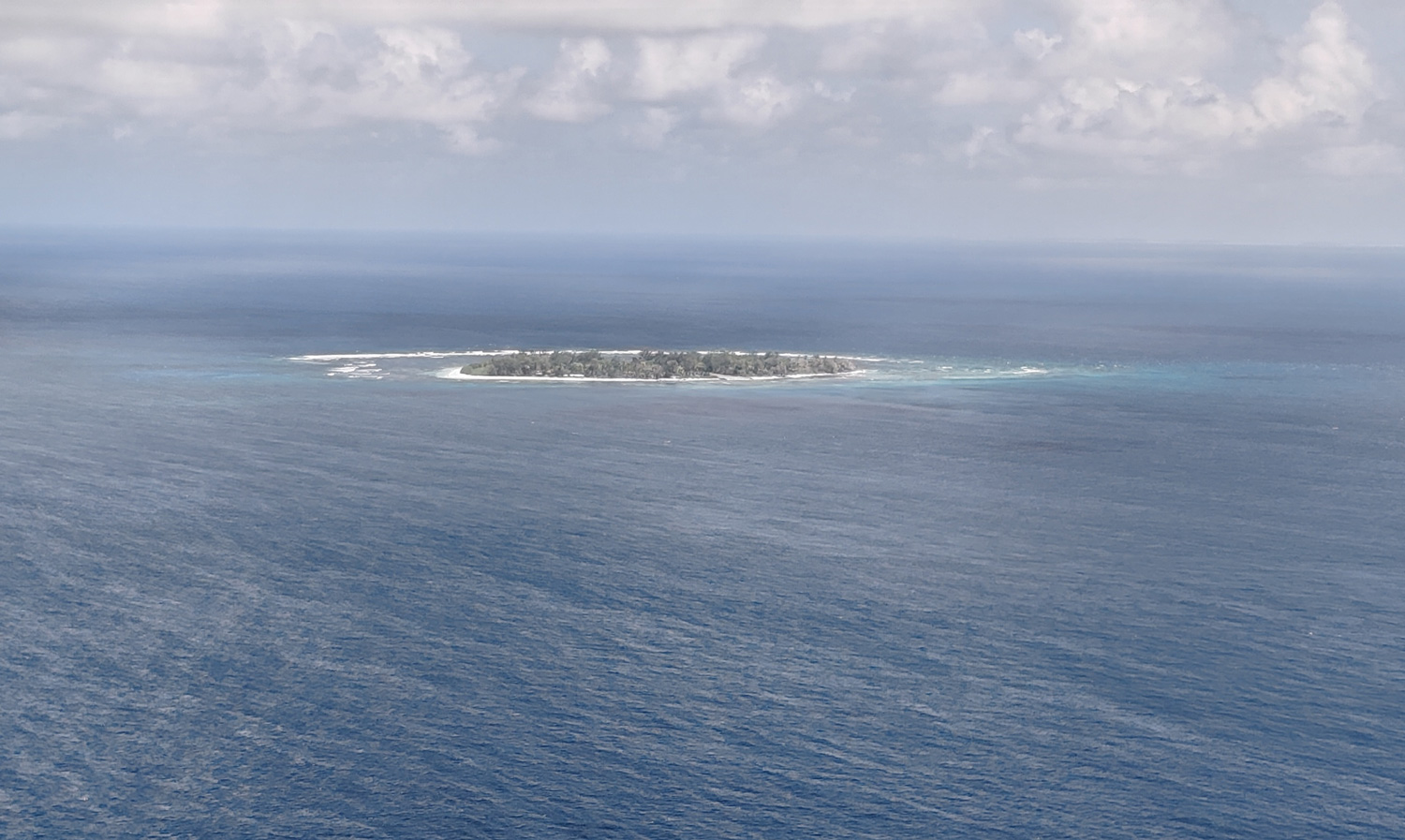
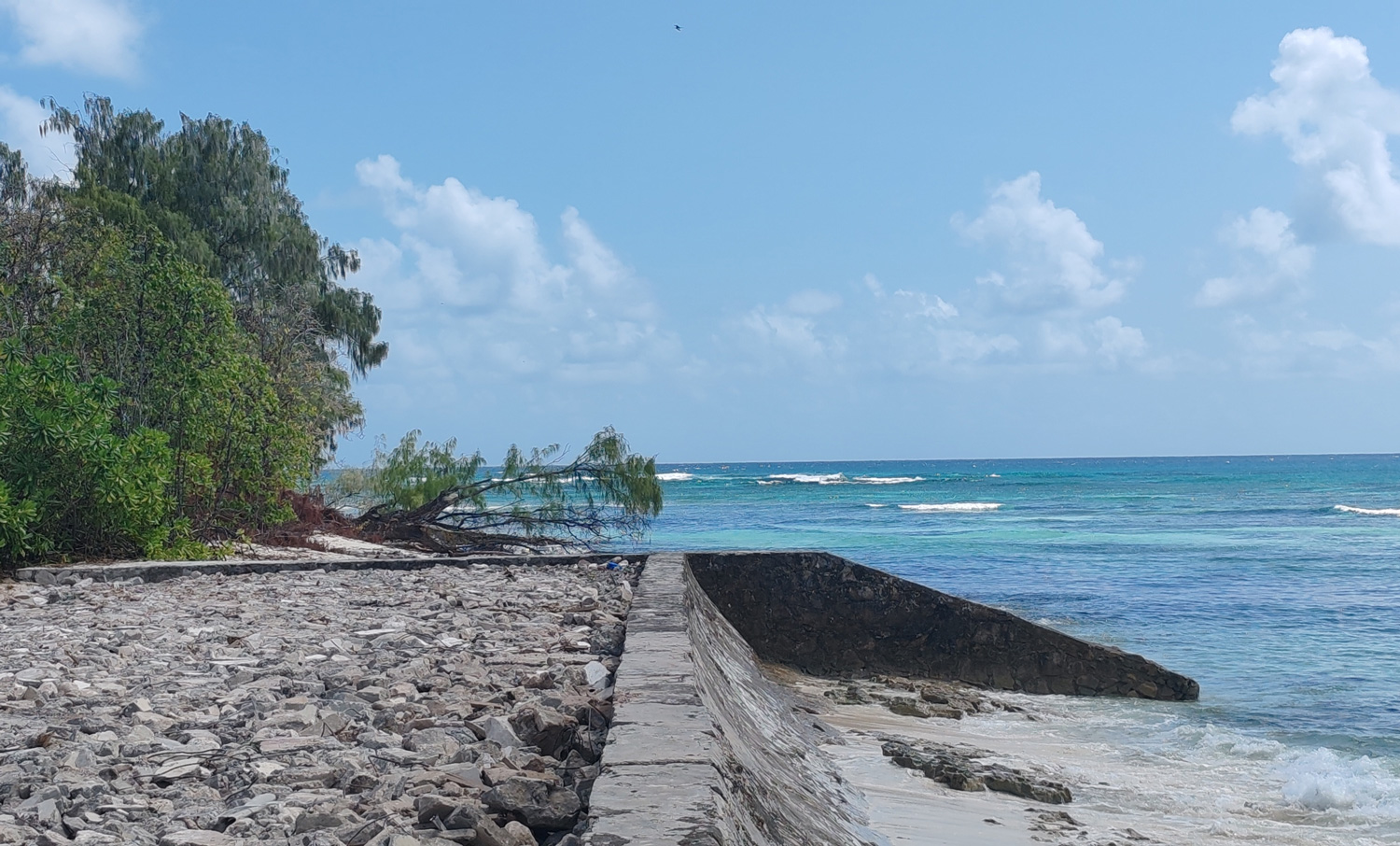
Rémire lies 245 km southwest of Victoria. It is a small oval-shaped island of just 27 hectares near the eastern edge of the Amirantes Ridge about 25 km south of African Banks.
Northeast of the island is Rémire Reef, an oval-shaped reef system 5 km long by 3 km wide, much of it exposed at low tide. The origin of the name is unknown (though it is shared oddly enough, by an administrative region of French Guiana in South America). The island was also given the English name Eagle after an English ship which visited in 1771.
Northeast of the island is Rémire Reef, an oval-shaped reef system 5 km long by 3 km wide, much of it exposed at low tide. The origin of the name is unknown (though it is shared oddly enough, by an administrative region of French Guiana in South America). The island was also given the English name Eagle after an English ship which visited in 1771.
More about the Island
History
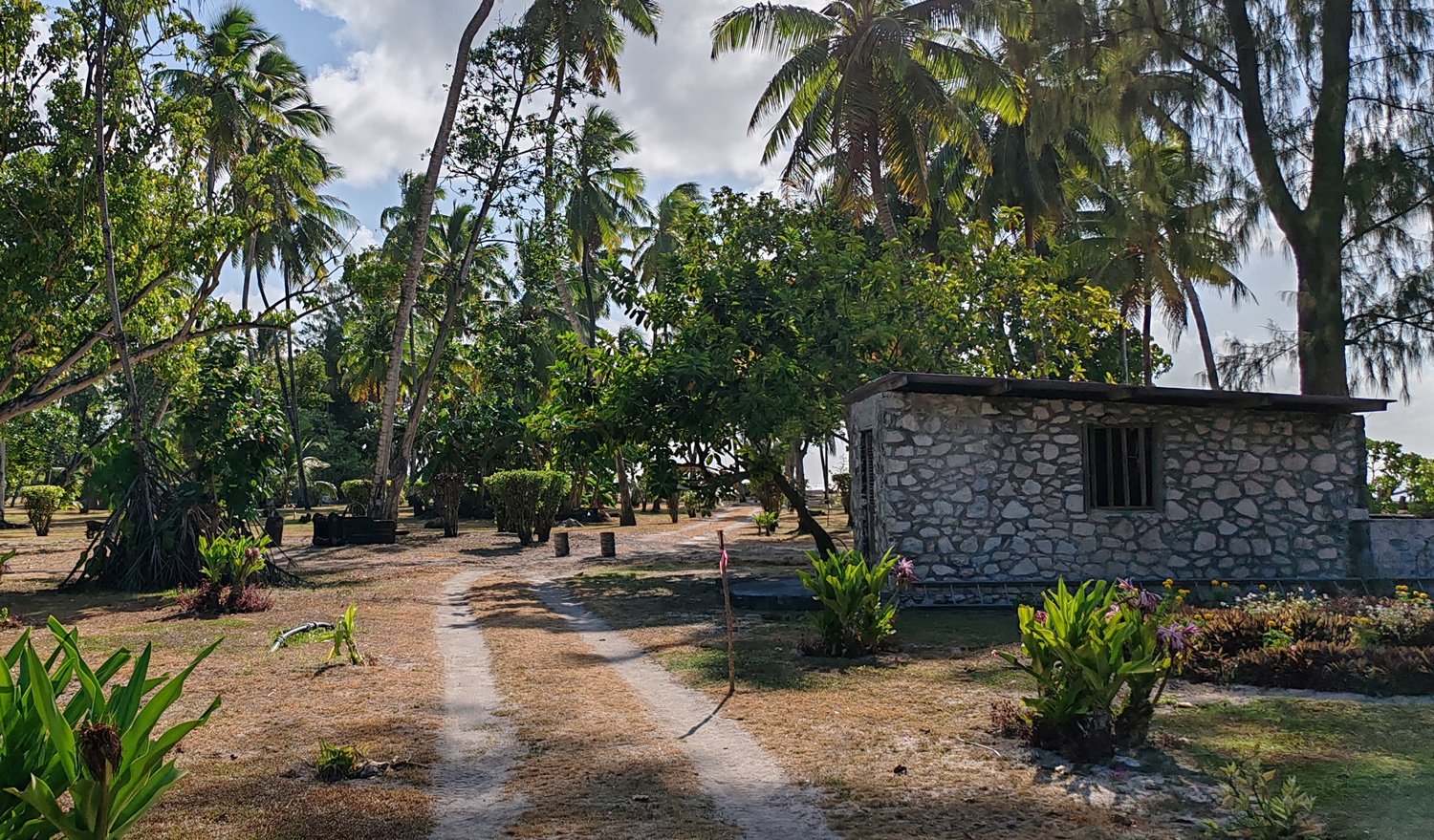
Coppinger, visiting in 1882, found Rémire uninhabited, but ruins of a solidly built stone house in the centre of the island indicated habitation at an earlier date.
Guano-mining began a short time later and was said to be intensive by 1900, with sheds, a tramway and other facilities. At this time about one third of the island had been planted with coconuts, which were doing well, together with maize and pumpkins.
By 1905, the guano had been exhausted. For a time, the lease was held by Mark Veevers-Carter, who erected several new buildings including a large house built in Moorish style, a reservoir, copra drier and a turtle pen.
His wife, Wendy Day Veevers-Carter, authored the book Island Home telling the story of their family life on the island. After their departure for Astove in 1968, only a caretaker was employed and then for a time the island was uninhabited.
By 1905, the guano had been exhausted. For a time, the lease was held by Mark Veevers-Carter, who erected several new buildings including a large house built in Moorish style, a reservoir, copra drier and a turtle pen.
His wife, Wendy Day Veevers-Carter, authored the book Island Home telling the story of their family life on the island. After their departure for Astove in 1968, only a caretaker was employed and then for a time the island was uninhabited.
Preservingthe Island's Unique Biodiversity
Conservation
Conservation
The island has large numbers of seabirds, notably Lesser Noddy, Fairy Tern and Wedge-tailed Shearwater breed, although they were more numerous in the past.

Sooty Terns have been wiped out by the over-collection of eggs. Land birds include the Madagascar Turtle Dove, for which the first written record was made in 1995 when a single bird was noted on each of two days of an ornithological visit. On the next ornithological visit in 2009, they were found to have become very common.
House Sparrows were not present in 1995 but were fairly common around the settlement by 2009, probably arriving from elsewhere in the Amirantes. Madagascar Fody also breed although they were not recorded until 1967.
Peacocks were introduced in the early 1990s and are now breeding. Both hawksbills and green turtles nest at Rémire.
House Sparrows were not present in 1995 but were fairly common around the settlement by 2009, probably arriving from elsewhere in the Amirantes. Madagascar Fody also breed although they were not recorded until 1967.
Peacocks were introduced in the early 1990s and are now breeding. Both hawksbills and green turtles nest at Rémire.
Nature conservation meets visitor experience
Economic Activities
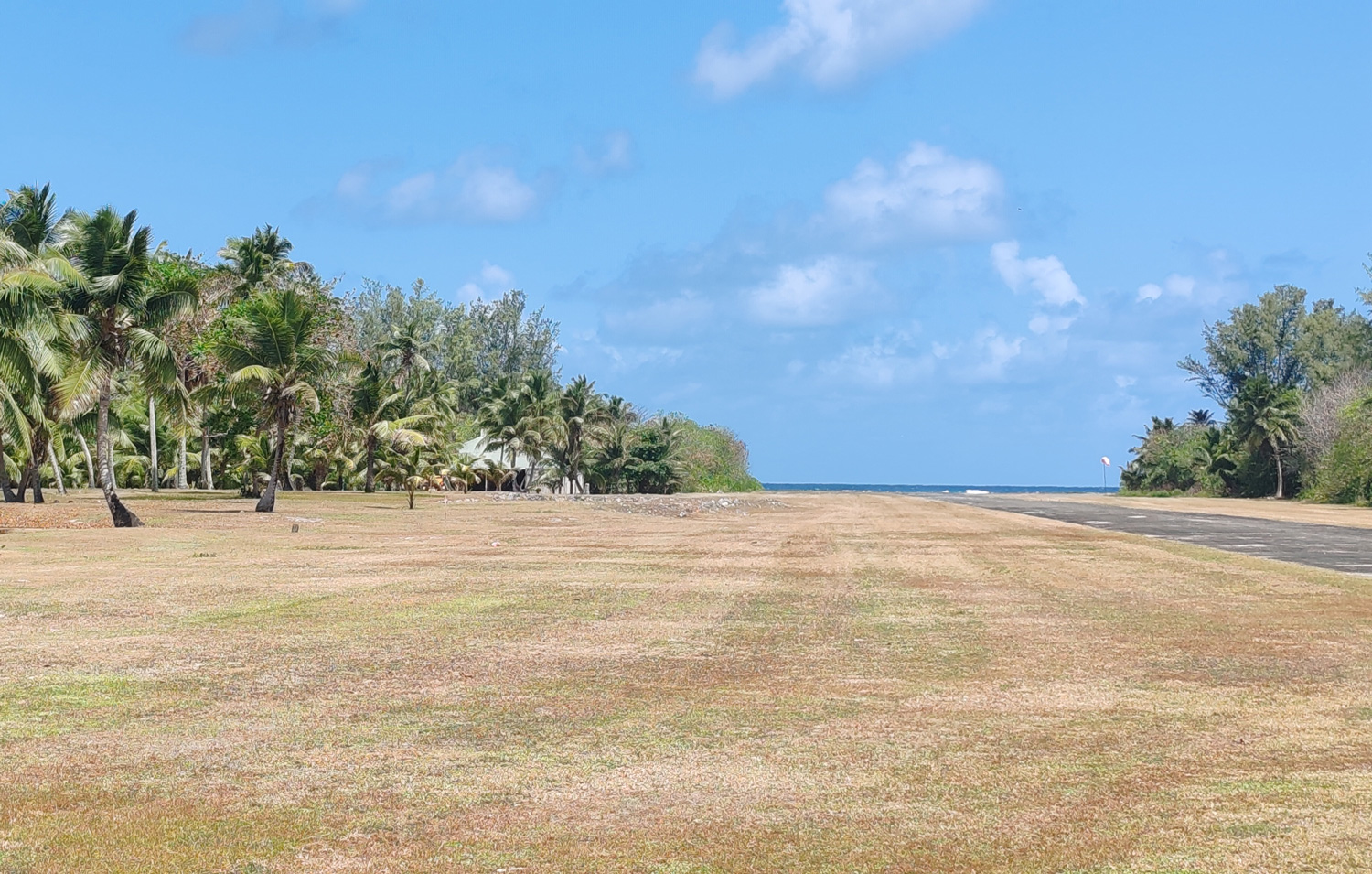
IDC has undertaken significant development on the island, including the construction of an airstrip to enhance accessibility. This infrastructure improvement ensures smooth and efficient transportation for both personnel and supplies, facilitating various island activities.
In addition to the airstrip, IDC staff are engaged in limited agricultural activities, contributing to the island's self-sufficiency and providing fresh produce. These agricultural efforts support the needs of the local community and reduce reliance on external supplies.
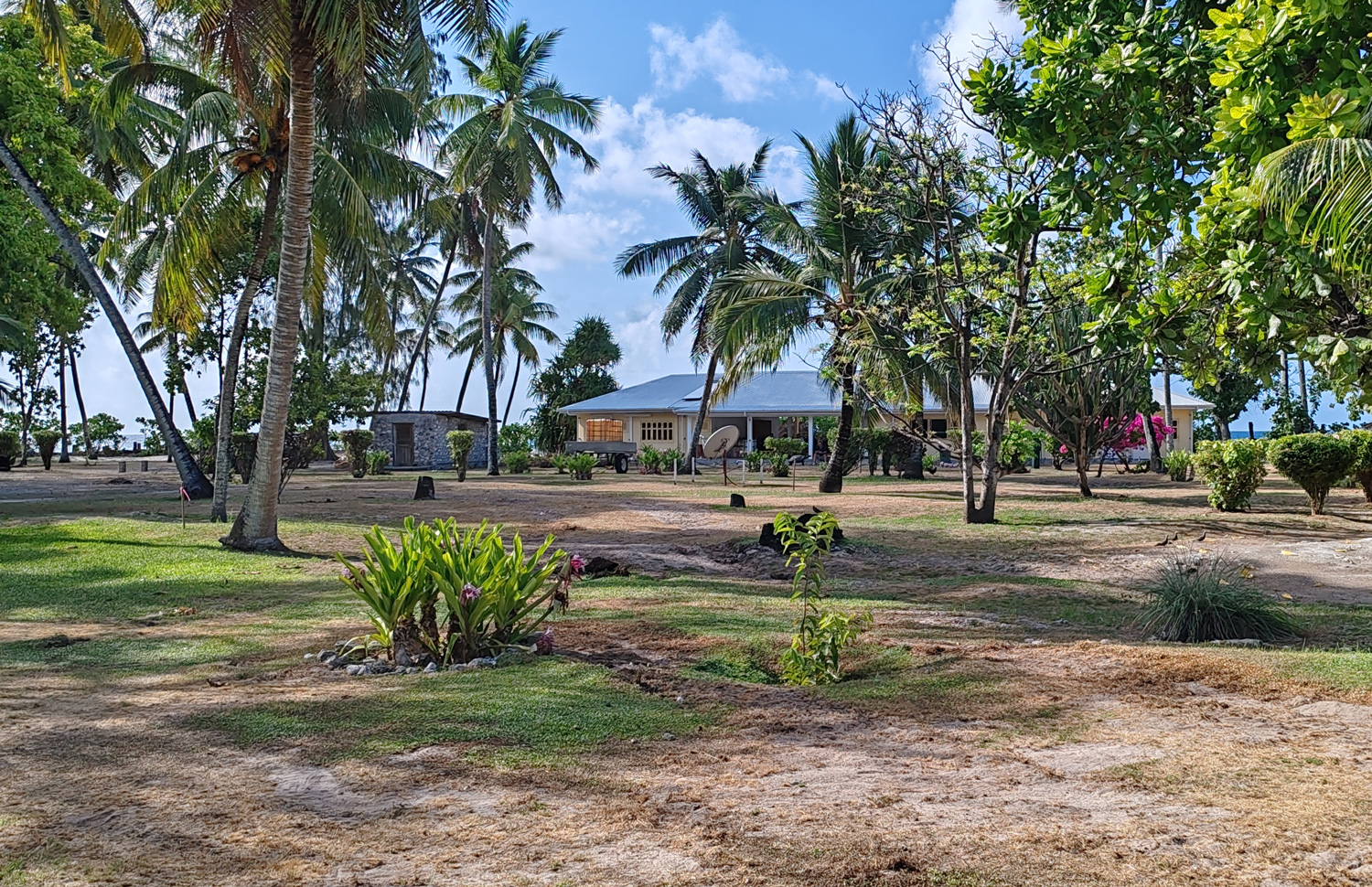
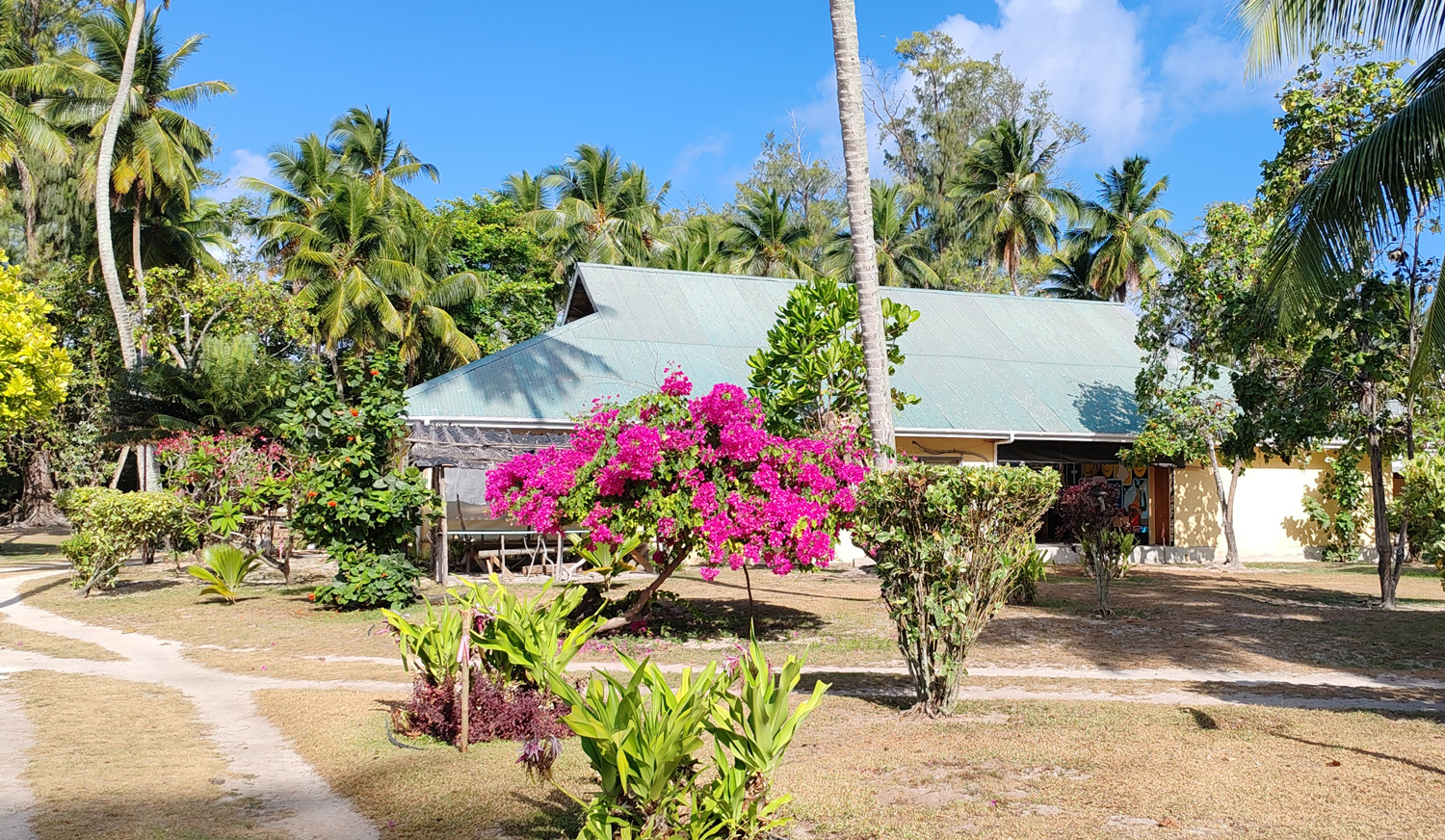
Furthermore, IDC operates a guesthouse on Rémire, offering accommodation for visitors and staff. This facility provides comfortable lodging options, making it easier for those working on or visiting the island to stay for extended periods.
In addition to the airstrip, IDC staff are engaged in limited agricultural activities, contributing to the island's self-sufficiency and providing fresh produce. These agricultural efforts support the needs of the local community and reduce reliance on external supplies.
Furthermore, IDC operates a guesthouse on Rémire, offering accommodation for visitors and staff. This facility provides comfortable lodging options, making it easier for those working on or visiting the island to stay for extended periods.
Explore the Beauty of the Islands
Gallery